
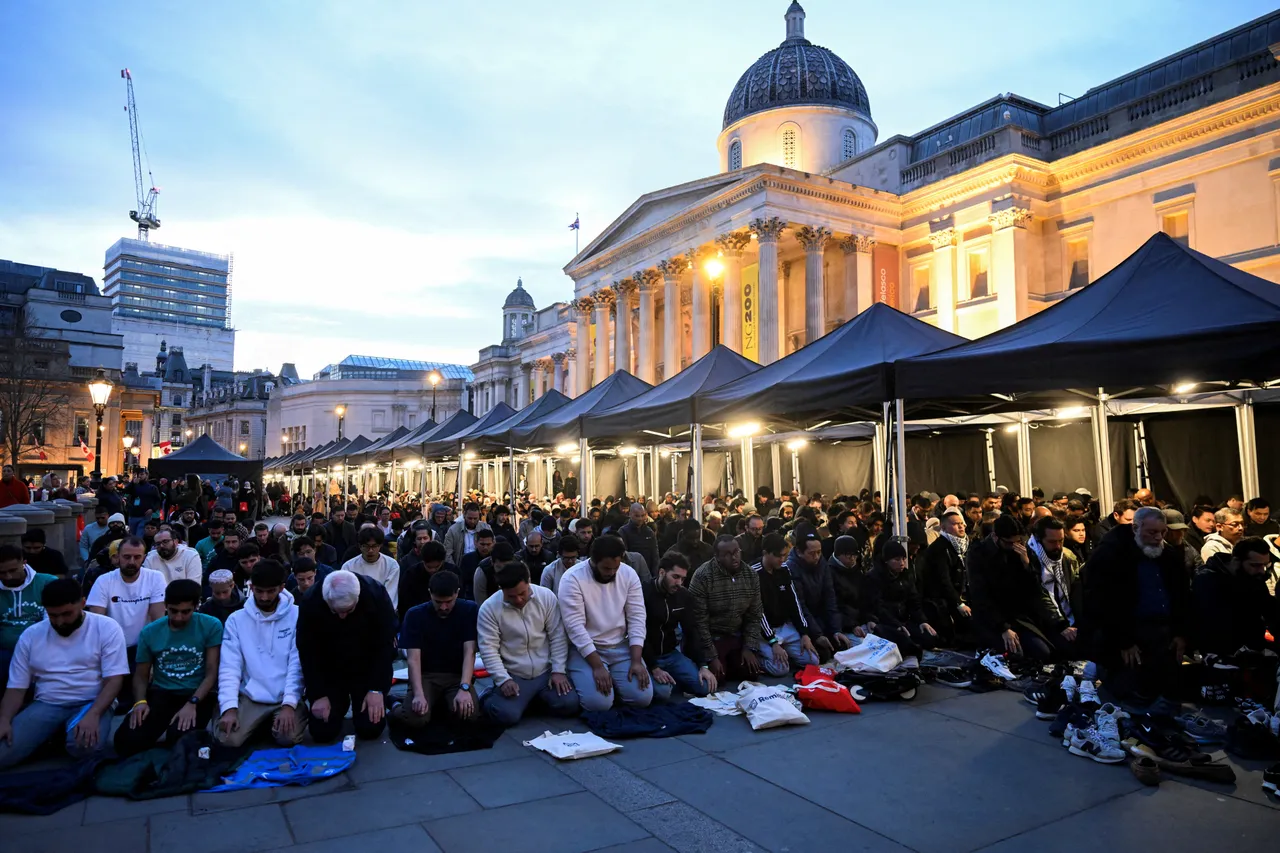

A new study has revealed widespread bias in how Muslims are portrayed in the British media. The research shows that nearly half of the news coverage about Muslims in 2025 contained some form of prejudice, misinformation, or negative framing.
The report was released by the Centre for Media Monitoring. It examined how Muslims and Islam were discussed across major news outlets in the United Kingdom.
Researchers analysed 40,913 articles published by 30 major media organisations. The findings were presented at an event held at the House of Commons.
The study, titled The State of British Media 2025: Reporting on Muslims and Islam, is described as the largest analysis of its kind in the UK. Experts say it reveals patterns of systemic bias across parts of the national media.
According to the report, many stories portray Muslims through themes of conflict, threat, and controversy. This repeated framing can shape public perceptions and influence political debates.
Large-Scale Analysis Reveals Structural Bias in Reporting
The research used a detailed method to examine thousands of news articles. Each article was evaluated using five measurable indicators of bias.
These indicators included negative associations, sweeping generalisations, misrepresentation, missing context, and sensational headlines.
Articles containing two or more indicators were classified as biased. Pieces containing four or five indicators were considered very biased.
The results were striking. Nearly 50 percent of the analysed articles about Muslims showed measurable bias.
Out of more than 40,000 articles studied, around 20,000 contained some form of prejudice or distortion. Researchers say this demonstrates a structural issue within sections of British journalism.
Rizwana Hamid, director of the Centre for Media Monitoring, said the findings are deeply concerning. She explained that when entire communities are repeatedly portrayed in negative ways, it affects how the public views them.
She warned that constant framing of Muslims as suspicious or threatening can shape political debate and everyday experiences for British Muslims.
The UK is home to around four million Muslims. For many people outside the community, media reporting remains the main source of information about Islam.
Right-Wing Outlets Identified as Major Source of Biased Coverage
The study found that several right-leaning media outlets produced the highest levels of biased reporting.
Publications including The Spectator, GB News, The Telegraph, Jewish Chronicle, Daily Express, The Sun, Daily Mail, and The Times recorded the highest levels of harmful coverage.
Among them, The Spectator showed the highest concentration of severe bias. More than one in four of its articles were classified as “very biased.”
Meanwhile, The Telegraph and the Daily Mail produced the largest number of highly biased stories overall.
The report also found that sweeping generalisations about Muslims were common in several right-wing outlets. For example, generalisation appeared in 39 percent of articles published by GB News.
Other outlets also showed high rates of generalisation. These included The Telegraph, Daily Express, The Times, The Sun, and the Daily Mail.
Journalist and author Peter Oborne said the report highlights a long-standing problem in British media. He described the findings as a serious reminder of the prejudice faced by Muslim communities.
Lack of Context a Widespread Problem Across Media
Another major issue identified in the research was missing context in reporting. This problem appeared in 44 percent of biased articles.
Researchers say the omission of context is the most common failure in media coverage about Muslims and Islam.
Unlike other types of bias, this issue was not limited to right-wing publications. It appeared across different sections of the media industry.
However, the study also highlighted positive examples. The public broadcaster BBC recorded the lowest overall level of bias in reporting about Muslims.
The report also found relatively lower bias rates in outlets such as The Guardian.
Researchers say the findings show that balanced journalism is possible when strong editorial standards are followed.
Experts warn that negative portrayals of Muslims in media have wider consequences. Studies have previously linked such coverage to rising hate crimes and stronger public support for restrictive policies.
The new report calls for improved media responsibility. Researchers say fair and accurate reporting is essential for maintaining social trust and protecting diverse communities.

