

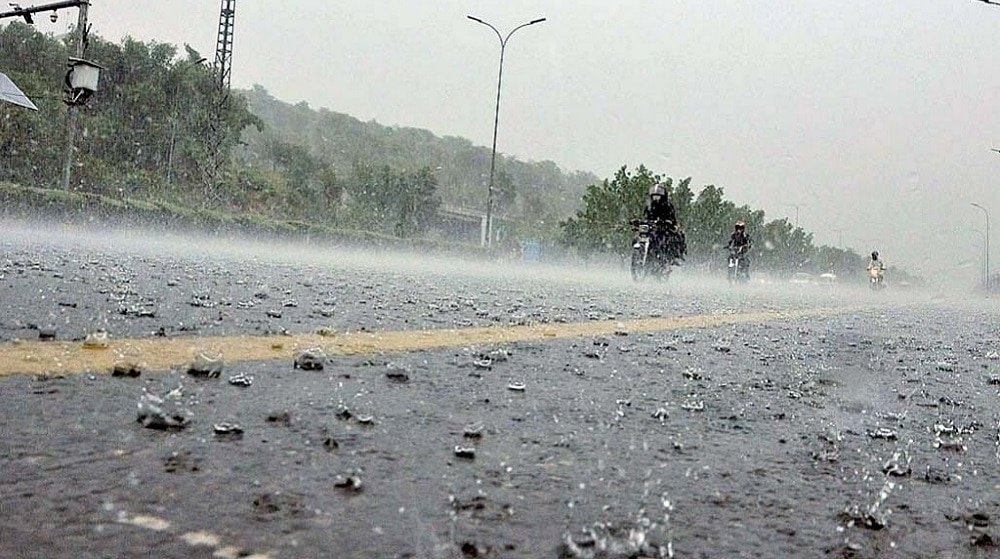

Pakistan is preparing for significantly intensified weather, with the National Disaster Management Authority (NDMA) warning that the 2026 monsoon could bring 22–26% higher rainfall than usual. The announcement underscores the growing climate risks the country faces and the need for comprehensive preparedness at both federal and provincial levels.
During a press conference on Wednesday, the NDMA director general highlighted that extreme weather events are increasing across the country. He emphasized that substantial planning is required to mitigate potential disasters, noting that 3.1 million people were relocated to safer areas this year due to climate-related emergencies. The NDMA projects that while rainfall intensity may decline in June or July, larger shifts in seasonal patterns continue to pose challenges.
The DG also noted that Pakistan’s roughly 7,500 glaciers are expanding by 2–3%, contributing to glacial lake formation and additional water-related hazards. He stressed the importance of early warnings, which the NDMA issues six to eight months in advance, allowing provinces to take timely preventive measures. Recommendations for managing river inflows and tourism in vulnerable areas have already been prepared.
In response, Prime Minister Shehbaz Sharif approved a short-term climate resilience plan, ordering its immediate implementation. The plan focuses on minimizing losses during the upcoming monsoon and strengthening coordination between federal and provincial authorities.
Sharif highlighted the economic burden of climate impacts, noting that every third year, Pakistan spends a significant portion of its GDP addressing climate-related disasters, resources that could otherwise support national development.
The prime minister also instructed preparations for a National Water Council meeting to focus on improved water management and long-term planning. Officials briefed attendees on global monsoon projections for 2026, alongside short-, medium-, and long-term strategies from the Ministry of Climate Change.
Sharif emphasized the urgency of decisive action to protect lives, safeguard infrastructure, and build climate resilience, underscoring that despite Pakistan’s minimal contribution to global emissions, it remains highly vulnerable to climate-related disasters. The coordinated approach aims to strengthen the country’s preparedness and reduce the impact of increasingly severe monsoons in the coming years.
