


Women’s Violence Cases
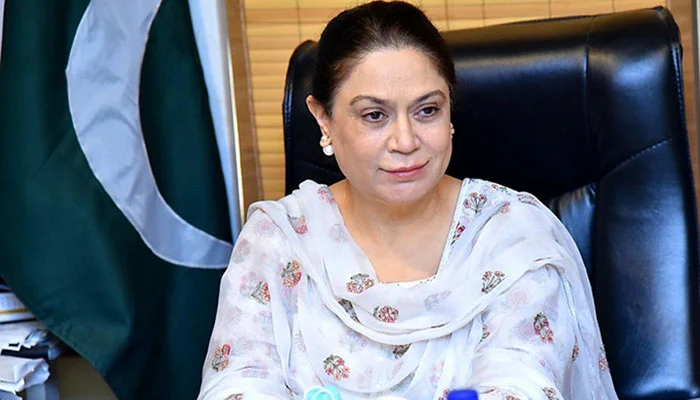
Chairperson of the National Commission on the Status of Women (NCSW), Nilofar Bakhtiar, wrote a letter to Chief Justice of Pakistan Qazi Faez Isa, urging “urgent attention” to cases related to violence against women.
The letter, which highlighted the NCSW’s role as a “statutory body to combat discrimination against women in Pakistan,” emphasized its mandate to safeguard the rights of women as guaranteed in the constitution and international commitments.
Bakhtiar drew attention to the pressing issue of violence against women, particularly mentioning the Noor Mukaddam murder case, which shocked the nation.

She stressed the importance of swift justice, stating that it provides closure to victims and their families and deters potential perpetrators. Bakhtiar urged the Chief Justice to prioritize and expedite cases related to violence against women, emphasizing that this could send a powerful message that such acts would not be tolerated in society.
She also noted that a prompt judicial response could significantly impact women’s safety in Pakistan. The letter, drafted on October 18, was sent to the CJP on October 21, as per NCSW spokesperson Fatima Batool.
Alarming Increase in Gender-Based Violence Cases
In a report released earlier this year, the National Commission of Human Rights (NCHR) revealed that Pakistan had witnessed approximately 63,000 cases of gender-based violence (GBV) over the past three years. Notably, around 4,000 cases were reported during the first half of 2020 when lockdowns were imposed to mitigate the spread of coronavirus.
The NCHR report, citing data from the human rights ministry, indicated that 80% of these cases were linked to domestic violence, and approximately 47% of cases involved domestic rape, primarily affecting married women who experienced sexual abuse.The report also cautioned that, given its reliance on reported cases, the actual number of GBV cases could be significantly higher.
Furthermore, the NCHR report highlighted the connection between women’s education and their ability to report abuse or seek assistance in cases of violence. It emphasized that women with higher education were more likely (46%) to seek help to end violence compared to those with no education (25%).
Domestic violence, the report noted, is rooted in various social, cultural, and religious factors, including patriarchy, gender inequality, a lack of awareness, economic dependency, religious beliefs, and social stigma. These factors are exacerbated by institutional barriers that impede women’s access to justice and redress.
