


Pakistan, a nation with a turbulent past, has embarked on a complex voyage toward democratic governance since its inception. As we ponder the evolution of democracy in the country, it becomes apparent that while progress has been made, the journey remains precarious.
However, despite the formidable challenges and setbacks, there is a glimmer of optimism as Pakistan navigates the arduous path toward a resilient and inclusive democratic system.
Democracy, by its inherent nature, demands the active participation of citizens in decision-making processes, the safeguarding of individual rights, and the establishment of accountability mechanisms for those in power.

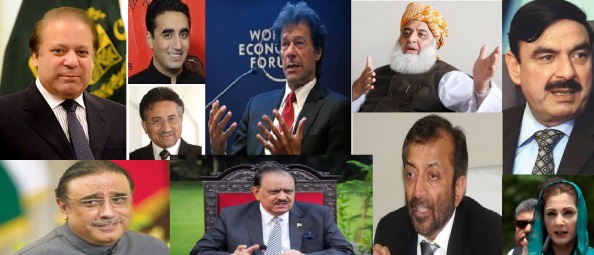
Famous political leaders in Pakistan.
Pakistan’s struggle for democracy began soon after its independence in 1947, enduring frequent interruptions from military regimes and feeble civilian governments. These disruptions have impacted the nation’s political landscape, impeding the growth and consolidation of democratic institutions.
Nevertheless, the past few decades have witnessed promising signs of democratic advancement. Pakistan has undergone multiple transitions of power through elections, signifying a growing acceptance of democratic norms and principles. A milestone achievement arrived in 2010 with the enactment of the 18th Amendment to the Constitution, a pivotal step that decentralized power to the provinces, bolstered the federal system, and granted greater autonomy to local communities. This Amendment was vital in empowering citizens and fostering a sense of ownership.
A vibrant and independent media is an indispensable element for the thriving of democracy. Pakistan’s media landscape has experienced a remarkable transformation, with dynamic private news channels, newspapers, and online platforms serving as platforms for diverse voices and perspectives. This newfound freedom has empowered citizens to hold those in power accountable, expose corruption, and contribute to the critical public discourse on pressing issues.
Moreover, civil society organizations, human rights activists, and grassroots movements have assumed a pivotal role in championing democratic values and safeguarding the rights of citizens. These groups have been instrumental in challenging discriminatory laws, advocating for gender equality, and promoting the inclusion of marginalized communities in political processes. Their unwavering commitment to democratic principles has been a propelling force behind Pakistan’s democratic progress.
However, it is imperative to acknowledge the persistent challenges that obstruct the consolidation of democracy in Pakistan. Political polarization, dynastic politics, corruption, and institutional weaknesses continue to pose significant hurdles. The influence of powerful interest groups, both within and beyond the political spectrum, often hampers the effective functioning of democratic institutions. Poverty, illiteracy, and unequal access to resources also create obstacles to full participation and representation in the democratic process.
To ensure the steady growth of democracy, Pakistan must confront these challenges head-on. Strengthening the rule of law, fostering transparency and accountability, and undertaking comprehensive electoral reforms are pivotal steps toward creating a level playing field for all political actors. Prioritizing education and fostering civic awareness is essential in equipping citizens with the knowledge and skills to engage in informed political participation. Moreover, intensifying efforts to combat corruption is paramount, as a corrupt system erodes public trust and undermines the foundations of democracy.
The journey toward a mature and resilient democracy is undoubtedly long and challenging, yet it is vital for Pakistan’s future stability and prosperity. It necessitates a collective commitment from political leaders, civil society, media, and citizens to surmount the persistent obstacles that hinder progress. Building consensus, fostering constructive dialogue, and embracing inclusivity is pivotal in forging a viable path forward.
Both progress and setbacks have marked Pakistan’s democratic trajectory. While the path toward a robust democracy remains fragile, its people’s unwavering commitment and resilience inspire hope for a brighter future. It is incumbent upon all stakeholders to work collaboratively in strengthening democratic institutions, upholding principles of justice and equality, and ensuring that the voices.
