
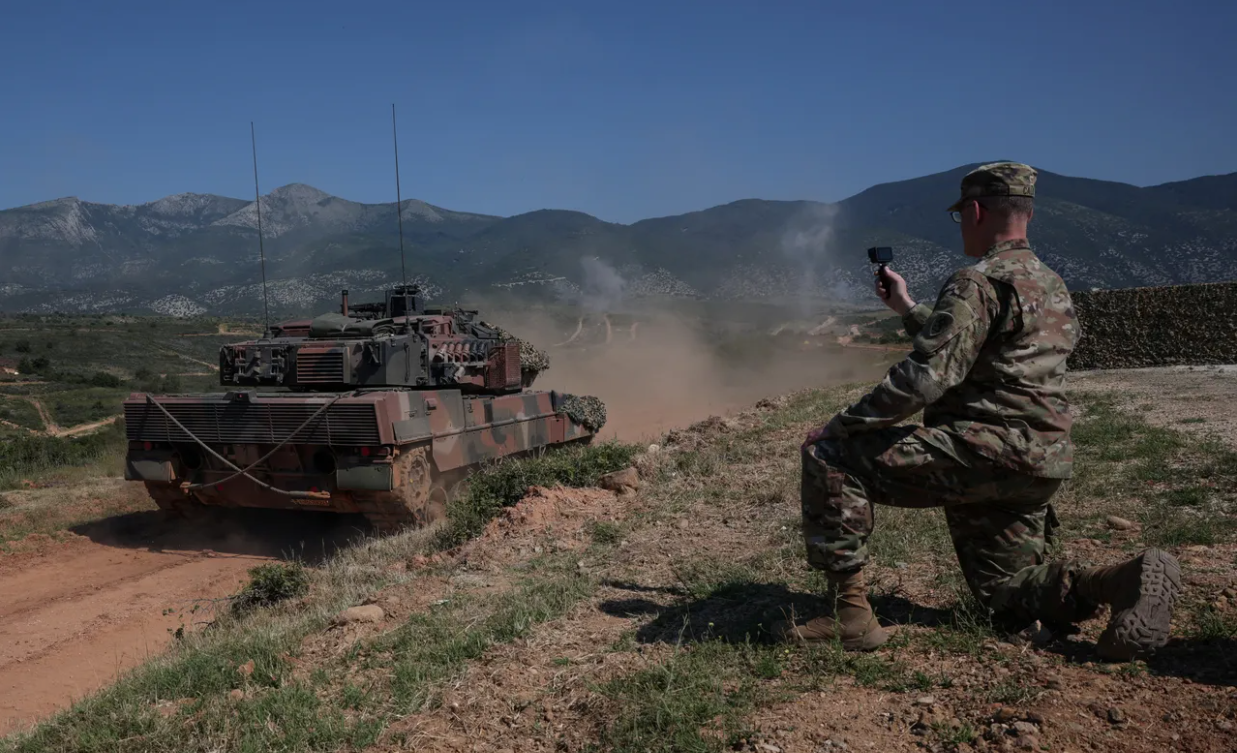

The United States is considering repositioning its military forces across NATO countries. This move follows concerns over allied support during the recent Iran conflict.
According to reports, the administration is reviewing troop placements in Europe. The goal is to shift forces toward countries that offered stronger operational backing.
At the same time, troops may be reduced in nations seen as less supportive. However, officials have not confirmed specific countries involved.
Frustration Over Limited Military Support
Tensions grew after some NATO members reportedly restricted the use of joint military bases. This limitation created operational challenges during the conflict.
As a result, senior US officials expressed dissatisfaction. They questioned the value of maintaining troops in countries with limited cooperation.
US Secretary of State Marco Rubio raised concerns about these restrictions. He suggested that deployments should align with practical military access and support.
Strategic Shift Under Consideration
The proposed plan focuses on strengthening ties with supportive allies. Therefore, troop relocation could reflect a shift in military strategy.
Officials believe that such a move may improve operational readiness. It could also ensure faster response capabilities in future conflicts.
However, discussions remain at an early stage. No final decision has been announced yet.
NATO Acknowledges Initial Delays
NATO leadership has addressed concerns about the alliance’s response. Secretary General Mark Rutte acknowledged that some members reacted slowly.
He explained that the sudden nature of the conflict caused delays. Nevertheless, he emphasized that European allies eventually contributed to US operations.
Moreover, he highlighted NATO’s broader strategic importance. According to him, the alliance supports both European and American security.
Growing Political Criticism from Washington
Political criticism from US leadership has intensified in recent weeks. President Donald Trump has openly expressed frustration with NATO.
He argued that the alliance did not provide sufficient support during the conflict. Furthermore, he questioned its reliability in future crises.
Similarly, White House officials echoed these concerns. They stated that NATO failed a critical test during the recent tensions.
Such statements have added pressure on the alliance. Consequently, discussions about burden-sharing and cooperation have gained renewed attention.
Implications for Global Security
Any shift in US troop deployment could have wide-ranging consequences. It may alter the balance of military presence in Europe.
Additionally, it could impact relationships within NATO. Allies may need to reassess their roles and commitments.
At the same time, such changes could influence future defense strategies. Cooperation and coordination will remain key factors moving forward.

