

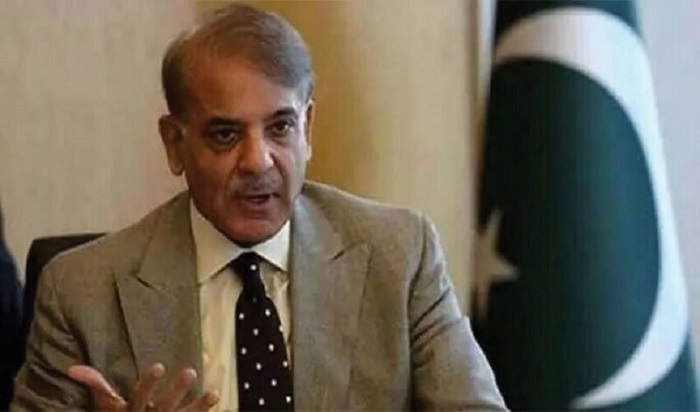

ISLAMABAD: Prime Minister Shehbaz Sharif on Monday chaired a high-level meeting to review progress on Pakistan’s transition to a cashless and digital economy, stressing full digitisation of State-Owned Enterprises (SOEs) and accelerated expansion of the Raast digital payment system.
During the session, the prime minister directed full digitisation of all SOEs, ensuring that payments, including salaries, pensions, and contractor transactions, are processed through digital platforms in the first phase of the government’s Digital Pakistan roadmap.
PM Shehbaz emphasized that building a cashless economy was central to the government’s agenda of transparency, efficiency, and accountability, and added that the digitisation drive must particularly empower small and medium-sized enterprises (SMEs).
“Bringing transparency to the economy is the government’s top priority,” he said. “Digital solutions must benefit both citizens and the business sector.”
Raast Leadership Appointments, Awareness Campaigns
The prime minister instructed the appointment of the Board of Governors and Chairman of Raast to be completed by September. Raast, Pakistan’s first state-backed instant payment system, is being positioned as the backbone of the country’s digital economy infrastructure.
To expand digital financial inclusion, public awareness campaigns about Raast and its benefits are scheduled to begin next month. The government has also abolished import duties on digital payment devices, aiming to improve access to technology for both consumers and businesses.
The recruitment of a Chief Executive Officer (CEO) for Raast is underway, while the Digital Payments Index—which will benchmark Pakistan’s progress against global standards—is set to launch within a month.
Authorities estimate that digital payment volumes will double from Rs7.5 billion to Rs15 billion, while mobile app and digital banking users are projected to grow from 95 million to 120 million, indicating rising public confidence in fintech platforms.
Islamabad as a Model Digital City
To showcase the benefits of digital infrastructure, Islamabad is being developed as a model digital city. The Capital Development Authority (CDA) has approved right-of-way for digital infrastructure, and the Islamabad City mobile app has already been integrated with Raast.
Additional initiatives include the rollout of public Wi-Fi and e-libraries in key locations across Islamabad, expected to be completed by December 2025.
The Prime Minister also recommended that economic and business experts be appointed to Raast’s Board of Directors to ensure market-driven innovation and sustainable growth of Pakistan’s digital financial ecosystem.
The meeting reaffirmed the government’s commitment to fast-tracking the shift toward a transparent, inclusive, and digitised economy.
