


New ECP Chief
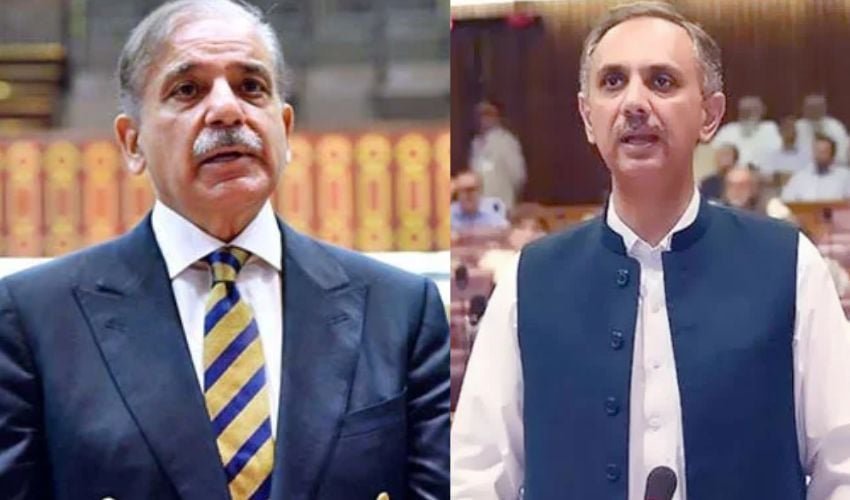
ISLAMABAD: Prime Minister Shehbaz Sharif has formally invited Opposition Leader in the National Assembly, Omar Ayub, for consultations regarding the appointment of a new Chief Election Commissioner (CEC), initiating a key constitutional process amid a politically polarized environment.
In a letter addressed to Omar Ayub, the prime minister emphasized the constitutional requirement to begin the process of appointing a new CEC and members of the Election Commission of Pakistan (ECP). Shehbaz Sharif noted that the five-year terms of CEC Sikandar Sultan Raja and two other ECP members—Nisar Ahmad Durrani from Sindh and Shah Muhammad Jatoi from Balochistan—had expired on January 26. However, they have continued performing their duties under Article 215 of the Constitution, which permits them to do so until successors are appointed.
The prime minister highlighted that Article 218 of the Constitution outlines the necessity of forwarding names for these critical posts to a parliamentary committee. Under Article 213, the process requires the prime minister and the leader of the opposition to reach a consensus on three names for each vacant position. These agreed names are then forwarded to the president for formal appointment.
In case of disagreement, both leaders submit their respective nominees to a 12-member parliamentary committee—equally composed of government and opposition lawmakers—which is then responsible for finalizing a name and sending it to the president.
With no agreement reached previously due to intense political polarization, this letter marks the first formal effort by the prime minister to involve the opposition leader in consultations since the vacancies arose. Notably, this move also comes after the Pakistan Tehreek-e-Insaf (PTI) challenged the delay in appointments in the Islamabad High Court earlier this year.
The petition, filed by Omar Ayub and Senate Opposition Leader Shibli Faraz, named the federal government, National Assembly Speaker, Senate Chairman, and the ECP as respondents.
The petition argued that allowing officials to remain in office beyond their constitutional terms violates legal and democratic norms. It also called upon the court to direct the National Assembly Speaker to immediately constitute the required parliamentary committee and for the Senate Chairman to submit the names of senators to that committee.
Furthermore, it sought a judicial directive instructing the prime minister to initiate meaningful consultations with the opposition leader under the constitutional framework of Article 213.
While the terms of three key officials have ended, the remaining two members of the ECP—Babar Hassan Bharwana from Punjab and Justice (retd) Ikramullah Khan from Khyber Pakhtunkhwa—still have valid tenures until May 2027.
This development marks a potential turning point in easing institutional deadlock. If followed through, it could lead to a long-overdue consensus on filling these critical electoral positions, which are essential for maintaining democratic continuity and preparing for the next general elections.
