

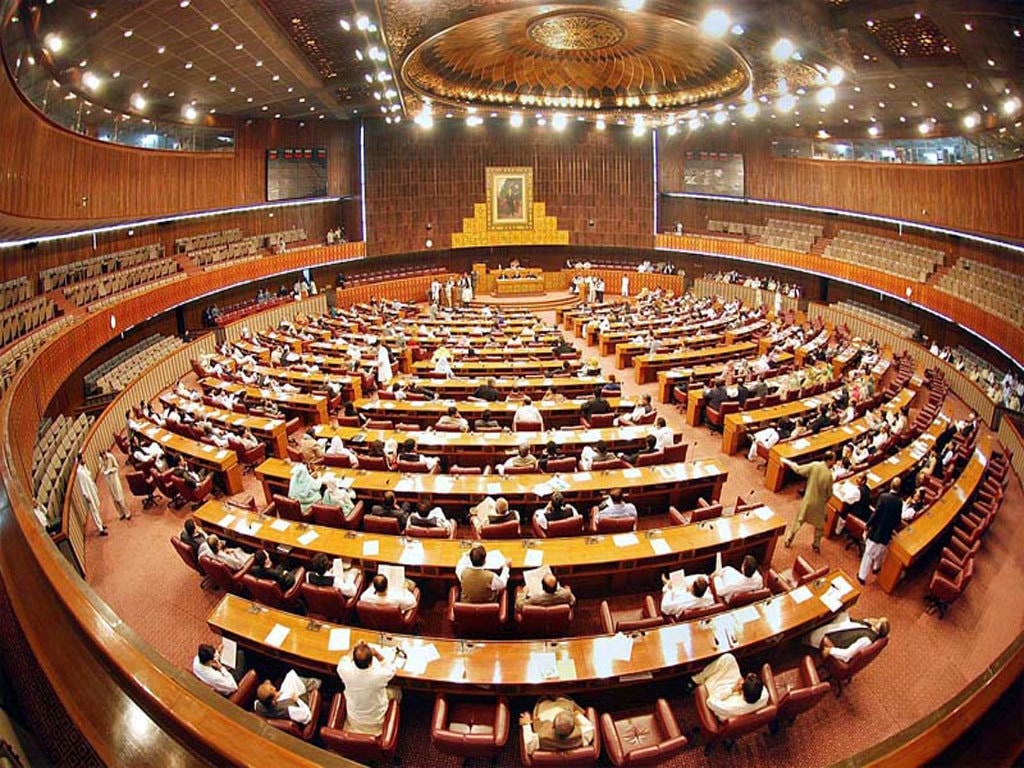

ISLAMABAD: The National Assembly (NA) approved a bill to amend the Pakistan Army Act, 1952, which includes provisions for up to five years in jail for individuals who disclose sensitive information related to national security or the military.
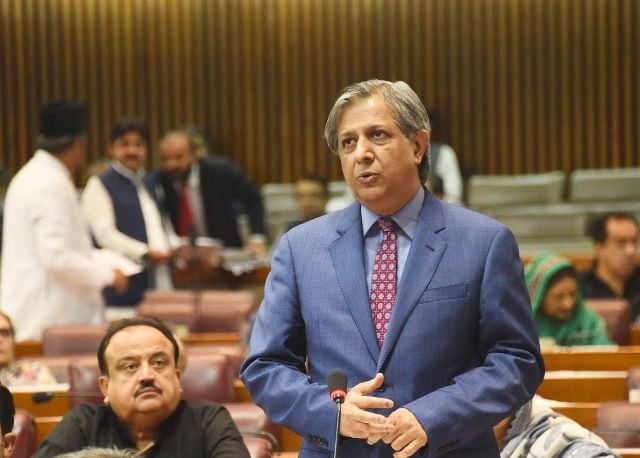
The Senate passed the bill the previous week. It was scheduled to be presented by Defence Minister Khawaja Asif. However, as he was absent, Law Minister Azam Nazeer Tarar presented the Pakistan Army (Amendment) Act, 2023.
The bill faced criticism in the upper house of Parliament, leading the PTI to announce an investigation into the role of its senators in its passage.
Tarar clarified during the presentation that the provisions of the amendment act would not apply to civilians. He clarified that it would not be retrospective in nature, meaning it would not affect past military trials. He also mentioned that a matter related to military trials is currently under consideration by the Supreme Court.
Changes to the Army Act
The Pakistan Army (Amendment) Act, 2023 suggests several key changes to the existing act. One notable addition is the inclusion of Section 26-A. It imposes strict punishment, including up to five years of imprisonment, for anyone who discloses sensitive information. The army chief can authorize the disclosure, in that case, it would not be a violation.
The proposed Section 26-B restricts individuals subject to the army act from engaging in any political activity for a period of two years after their retirement, release, resignation, discharge, removal, or dismissal from service. Individuals who perform sensitive duties should not engage in any political activity for five years after service. Violating these provisions can lead to up to two years of imprisonment as determined by the court.
Section 55-A forbids any person subject to the army act in the past five years from being employed, consulting, or engaging with any entity that has a conflict of interest with the activities of the Army or its affiliates. However, obtaining prior approval from the army chief can exempt individuals from this restriction. Failure to comply with this provision can result in imprisonment for up to two years. It can also lead to a fine not exceeding Rs500,000 or both.
Section 55-B mandates that the armed forces will punish those who commit an offense with the intent to undermine, ridicule, or scandalize them. The Peca 2016 law outlines the provisions for administering punishment.
Section 55-C addresses acts aimed at ridiculing, scandalizing, fostering hatred, or lowering the reputation of the armed forces of Pakistan. The penalty for such offenses includes imprisonment for up to two years or a fine or both.
Furthermore, the amendment empowers the army chief to delegate their powers and functions under the act to any subordinate officer or authority, as stated in Section 176-C.
Lastly, Section 176-E clarifies that the laws introduced by this amendment will prevail over any other inconsistent laws, rules, or regulations in force. Any such inconsistent laws will cease to have effect to the extent of the inconsistency.
