



 Today
|
87°
76°
|
Periods of rain and a thunderstorm this morning; mostly cloudy
|

Tuesday
|
91°
79°
|
A thundershower in spots in the morning; otherwise, times of clouds and sun
|

Wednesday
|
97°
80°
|
Very warm with hazy sun
|

Thursday
|
97°
80°
|
A brief shower or two in the morning; otherwise, partly sunny and very warm
|
|
Friday
|
98°
79°
|
Hazy sunshine and remaining very warm
|
|
Saturday
|
93°
77°
|
A thunderstorm in parts of the area in the morning; otherwise, mostly cloudy
|
|
Sunday
|
90°
78°
|
A blend of sunshine and clouds
|
Here’s an updated and detailed news article on Pakistan’s latest monsoon crisis, along with current weather forecasts for Peshawar (KP) and Lahore (Punjab).
Rain-Ravaged Provinces Face Worsening Crisis
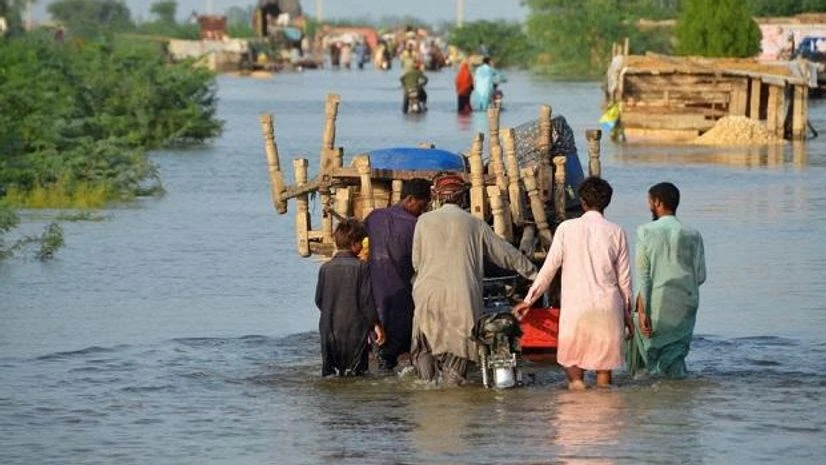
Pakistan is battling one of its most catastrophic monsoon seasons in recent memory. Since June 26, relentless rains, flash floods, landslides, and collapsing infrastructure have claimed at least 657 lives and injured over 920 people, according to the National Disaster Management Authority (NDMA).
Khyber Pakhtunkhwa (KP) remains the hardest-hit region, with 390 deaths, including 288 men, 59 children, and 43 women. In Punjab, 164 lives have been lost (predominantly children), followed by fatalities across Sindh (28), Balochistan (20), Gilgit-Baltistan (32), Azad Kashmir (15), and Islamabad (8) . In KP alone, Rescue 1122 has recovered 373 bodies, most of them in the devastating Buner district.
Fresh Rains Fuel More Disruption Across KP and Punjab
On Monday, fresh downpours affected Mardan, Nowshera, Swabi, Mingora, and Malakand, exacerbating the dire conditions. In Buner, rescue efforts were hampered by the precarious state of a makeshift bridge linking cut-off villages. Parachinar experienced flash floods that damaged roads and embankments, though no new casualties were reported.
Peshawar is battling urban flooding, with streets in Saddar Bazaar, University Road, Gulbahar, and other neighbourhoods submerged. Traffic has stalled, vehicles submerged, and water has entered residential areas and institutions.
In Punjab, persistent rains hit Multan, Kabirwala, Jhang, Khushab, and Chakwal, leading to localized flooding. Rainfall measurements peaked at 67mm in Choa Saidan Shah and 35mm in Kusk, inundating various neighbourhoods.
Rivers and Reservoirs Overflow, Forcing Emergency Actions
Monsoon-fed rivers are swelling rapidly. The Indus River is at medium flood levels at Tarbela, Kalabagh, Chashma, and Taunsa barrages, with tightened capacity levels at Guddu, while the Sutlej River experiences low flooding.
Reservoir storage is near critical: Tarbela Dam is at 97% capacity, and Mangla Dam stands at 71%. The Flood Forecasting Division has issued evacuation warnings to communities near the riverbanks.
NDMA Warns: Rain Season Far from Over
NDMA Chairman Lt. Gen. Inam Haider confirmed this monsoon season’s rainfall has been 50–60% heavier than usual and warned of two to three more monsoon spells before September. Continued rainfall could further strain weakened infrastructure and endanger vulnerable populations.
Why the Crisis Is Worsening
Climate experts attribute the spike in extreme weather events to climate change. Sudden cloudbursts, like the one in Buner that dropped over 150mm of water in an hour, are becoming more common. Urban development, obstructed waterways, and settlement encroachments exacerbate the threats downstream.
Pakistan, despite contributing marginally to global emissions, remains one of the most climate-vulnerable countries—a fact underscored by catastrophe after catastrophe, including the devastating 2022 floods that submerged a third of the nation.
