
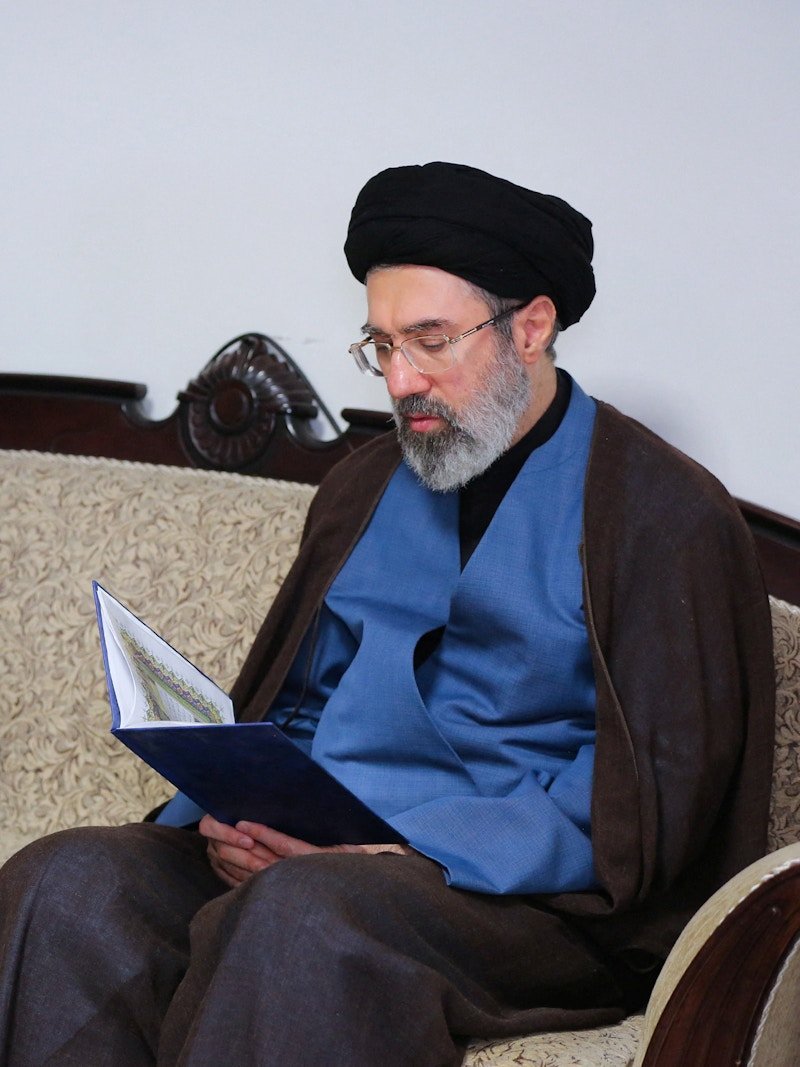

Iran’s Assembly of Experts appointed Mojtaba Khamenei as the country’s new supreme leader. Mojtaba Khamenei succeeded his father, Ayatollah Ali Khamenei.
The announcement came days after US-Israeli strikes killed the elder supreme leader, Ayatollah Ali Khamenei, escalating tensions across the Middle East.
Nine days earlier, US-Israeli attacks targeted senior Iranian leadership and military sites, triggering a regional crisis. Meanwhile, authorities declared national mourning for the longtime revolutionary figure. Soon after, the Assembly of Experts convened in Tehran to select a successor and ensure continuity in the Islamic Republic’s leadership.
The clerical body said representatives voted decisively to elevate Mojtaba Khamenei, 56, as the third supreme leader of the Islamic Republic since the 1979 revolution. Moreover, the statement praised what it called his commitment to protecting the system during a period of war and external pressure. It added that members “did not hesitate for a minute” despite what it described as aggression by the United States and Israel.
Tehran rejects foreign involvement in leadership decisions
However, reactions from Washington quickly followed. US President Donald Trump previously dismissed Mojtaba Khamenei as a “lightweight” and argued that he should influence the selection of Iran’s next leader. On Sunday, he repeated that view, intensifying rhetoric as the regional conflict deepened.
Iranian officials swiftly rejected the suggestion. Foreign Minister Abbas Araghchi said the appointment was solely Iran’s decision and warned that Tehran would not tolerate foreign interference. Speaking on NBC’s Meet the Press, he also urged Trump to apologise to people across the region for starting the war.
Araghchi said that Iran would defend its sovereignty and continue retaliation along with diplomatic engagement with regional states.

