

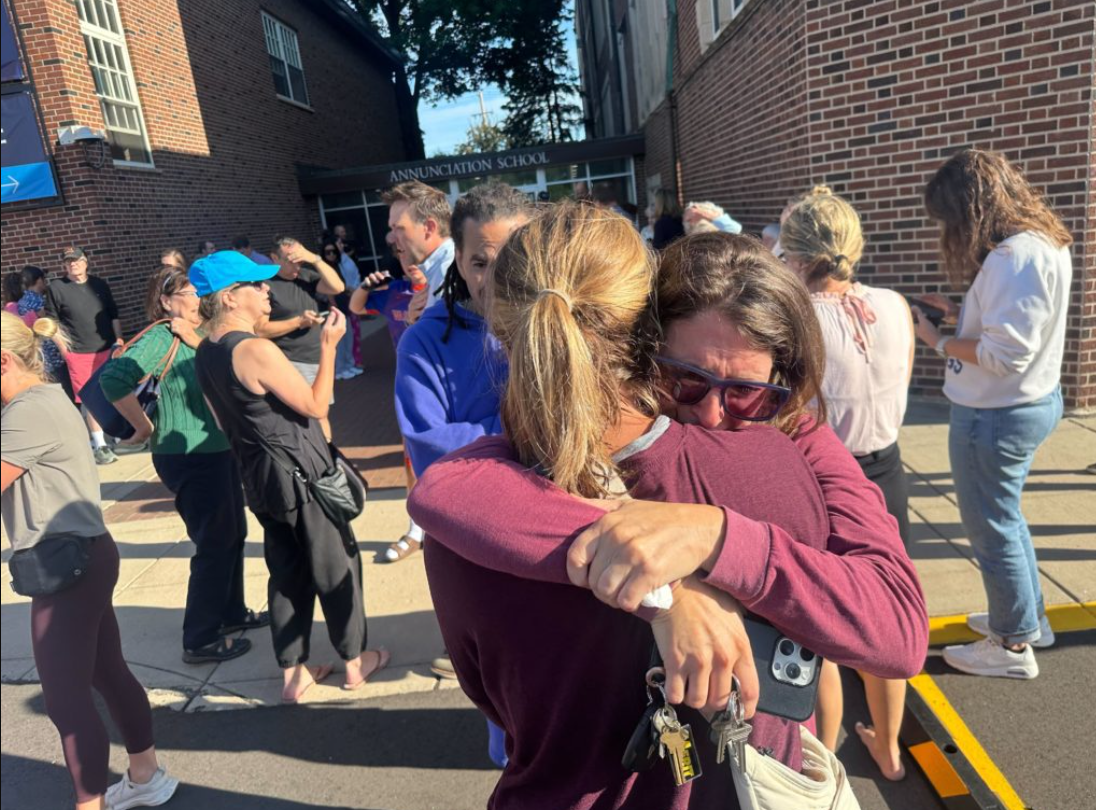

A horrific shooting unfolded in Minneapolis when a gunman opened fire through stained-glass windows of Annunciation Catholic Church during a morning Mass. The attack claimed the lives of two children, aged 8 and 10, and left 17 others injured. Authorities confirmed that the suspect, identified as 23-year-old Robin Westman, took their own life at the scene.
The incident occurred during the school’s annual all-student Mass, marking the beginning of the academic year. Chaos erupted as worshippers dove behind pews and older children shielded younger ones. Officials later discovered that at least two exits had been barricaded from the outside, further trapping those inside.
Suspect’s background and investigation
Authorities said the suspect used three legally purchased firearms—a rifle, a shotgun, and a pistol—to carry out the assault. Investigators also recovered more weapons at locations connected to the shooter.
A disturbing manifesto was found, timed for release on social media, in which the attacker expressed depression and admiration for past mass shooters. Names of previous perpetrators were scrawled on a rifle magazine, alongside political grievances. Officials confirmed the manifesto and related online videos were taken down.
The FBI classified the shooting as an act of domestic terrorism and a hate crime targeting Catholics. This designation highlights the deliberate nature of the violence against worshippers gathered in prayer.
Victims and aftermath
Among the 17 injured, 14 were students between ages 6 and 18, while three were elderly parishioners in their 80s. Officials said all injured victims are expected to recover.
Eyewitness accounts underscored the terror. A fifth-grader reported that his friend shielded him from gunfire and was struck in the process. Survivors described the rapid gunfire and panic as the congregation tried to protect each other.
Minnesota’s governor joined grieving families at a prayer vigil held hours after the tragedy. Meanwhile, the U.S. president ordered flags nationwide to be flown at half-staff to honor the victims.
Community response and broader context
The attack shocked the Minneapolis community and reignited debate about gun violence in places of worship and schools. Officials noted this was the 146th incident of gun violence in U.S. primary or secondary schools since January, but emphasized that this shooting differed because the gunfire came from outside the building.
Minneapolis officials urged people not to politicize the suspect’s gender identity, warning against targeting any community in the wake of tragedy. Instead, leaders pointed to the easy availability of firearms as a root factor behind recurring mass shootings across the United States.
A city already scarred by violence
The Minneapolis area has struggled with rising homicides in recent years. Officials highlighted the strain on law enforcement since 2020, when the city was thrust into turmoil following the killing of George Floyd. Recent targeted political assassinations in Minnesota have further deepened concerns about domestic violence and extremism.
The Minneapolis church shooting represents a devastating attack on children and worshippers gathered in prayer. Two young lives were lost, and dozens were left traumatized. The tragedy underscores the urgent need for stronger measures against gun violence and domestic terrorism. As investigators continue to piece together the shooter’s motives, the community mourns and calls for unity in the face of senseless hate.
