
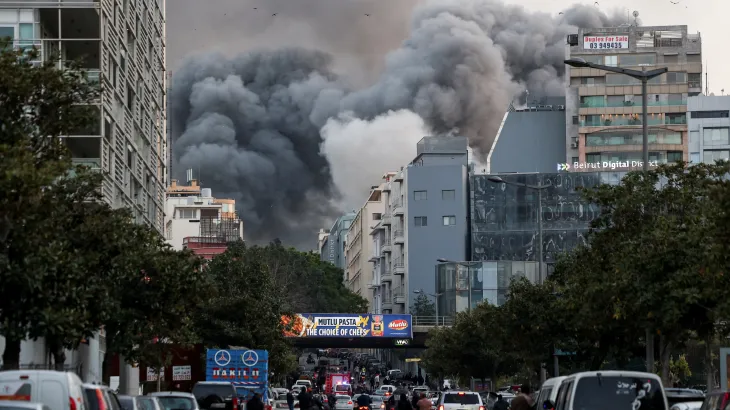

Qatar Expels Iranian Officials After Ras Laffan Strike
Tensions in the Middle East have sharply escalated following a series of attacks on critical energy infrastructure. Qatar has ordered Iranian security and military attaches to leave the country. This decision came after missile strikes caused extensive damage at the Ras Laffan Industrial Area, the nation’s main gas facility.
Qatari authorities described the damage as significant. The facility is vital for global liquefied natural gas exports. Officials said the attack threatened both national and international energy security. Emergency teams were deployed immediately to assess and contain the situation.
The government stressed that such actions violate international norms. Diplomatic tensions between Doha and Tehran have now intensified. Analysts believe this move signals a serious breakdown in relations. Qatar has also increased security across key installations.
Saudi Arabia and UAE Hit as Energy Infrastructure Targeted
Saudi Arabia confirmed that two of its oil refineries were attacked. Officials did not provide full details of the damage. However, they strongly condemned the strikes. Riyadh stated that “the little trust that remained” in Iran has now been completely destroyed.
Saudi Foreign Minister Prince Faisal bin Farhan Al Saud said the attacks were unacceptable. He warned of serious consequences for regional stability. The Kingdom has called for global support against such threats.
In the Abu Dhabi, authorities shut down the Habshan gas facilities as a precaution. The move followed reports of an Iranian attack targeting the site. Officials said the shutdown was necessary to ensure safety and prevent further damage.
Energy experts warn that these incidents could disrupt global supply chains. The Gulf region plays a key role in oil and gas exports. Any instability can quickly impact international markets.
Israel-Iran Conflict Fuels Wider Regional Crisis
The latest developments come after Israel launched strikes on Iranian targets. These included naval assets in Bandar Anzali and the South Pars gasfield. The attacks marked a significant escalation in the ongoing conflict.
Iranian President Masoud Pezeshkian issued a strong warning. He said the situation could lead to “uncontrollable consequences.” He added that the conflict might “engulf the entire world” if tensions continue to rise.
In response, Iran launched retaliatory strikes on Israel. Reports confirmed that at least four people were killed in Tel Aviv and parts of the occupied West Bank. The attacks have further intensified fears of a broader war.
Governments across the region are now on high alert. Security has been tightened at critical sites. Diplomatic channels remain active, but progress appears limited.
The situation remains fluid and highly volatile. Experts warn that further escalation could have global consequences. Energy markets, international trade, and regional security are all at risk.
Authorities have urged citizens to follow official updates. Monitoring systems are active across affected areas. Emergency preparedness remains a top priority for all governments involved.

