
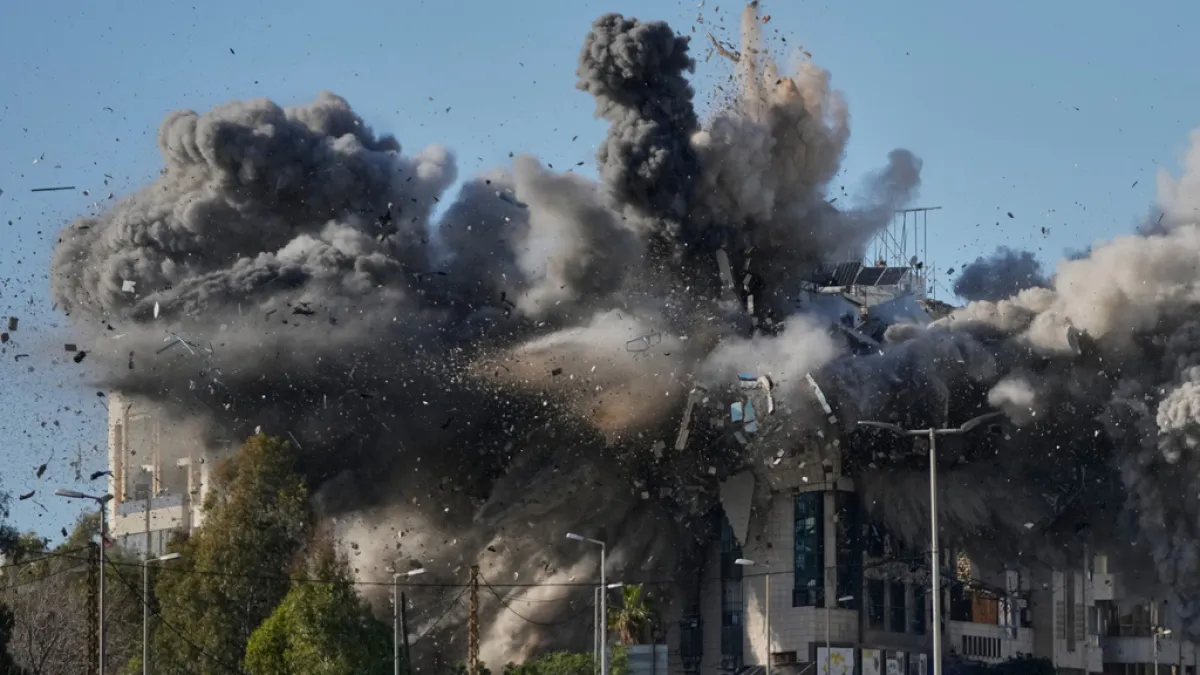

A new report by the United Nations Development Programme has warned that the ongoing conflict involving Iran, Israel, and the United States could severely damage Arab economies. The report estimates potential losses of up to $194 billion if the war continues for just one month.
The findings highlight the growing economic risks in the region. Experts say the conflict is already disrupting markets, trade routes, and energy supplies. The impact is expected to spread beyond the Middle East, affecting the global economy as well.
According to the report, the war could reverse much of the economic growth achieved in 2025. Regional economies are highly vulnerable to external shocks. The ongoing crisis is exposing these structural weaknesses.
GDP Decline and Rising Poverty Across the Region
The United Nations Development Programme estimates that regional GDP could shrink by 3.7% to 6%. This decline translates into losses between $120 billion and $194 billion.
Such a drop would significantly impact economic stability. Growth gains made in recent years could be wiped out. Countries already facing financial challenges may struggle the most.
The report also warns of a sharp rise in poverty. Between 3.7 million and 4 million people could fall below the poverty line. This would increase pressure on governments and humanitarian systems.
Job losses are another major concern. Up to 3.7 million jobs could disappear due to the conflict. This would further weaken economies and reduce household incomes.
Abdallah Al Dardari said the situation is urgent. He stressed that every day of conflict adds to economic damage. He called for an immediate end to hostilities.
Energy Disruptions and Trade Risks Intensify Crisis
The conflict has disrupted key energy routes. One of the most critical areas affected is the Strait of Hormuz. This route is vital for global oil supply.
Disruptions in this region have caused oil prices to rise. Markets are reacting to uncertainty and supply risks. Higher energy costs are adding to inflation pressures worldwide.
Trade routes are also under threat. Shipping delays and security concerns are increasing costs. This affects both regional and global supply chains.
The report notes that even a short conflict can have long-term consequences. A four-week war scenario was used for projections. However, prolonged fighting could lead to even greater losses.
Fragile Economies Face the Biggest Impact
The United Nations Development Programme report highlights that fragile states will suffer the most. Countries like Sudan and Yemen are already facing severe challenges.
These nations have limited capacity to absorb economic shocks. The conflict could worsen humanitarian conditions. Food insecurity and unemployment may rise further.
Lebanon is also expected to face serious consequences. Ongoing air strikes and displacement are putting pressure on infrastructure and public services. The economy is already under strain.
Meanwhile, Iran itself could see a sharp economic decline. The report suggests its GDP growth may drop by up to 10.4 percentage points. Poverty levels within the country could increase significantly.
The broader Middle East region remains at risk. Continued escalation could deepen economic distress. Global trade, inflation, and supply chains may also be affected.
The report underscores the urgent need for de-escalation. Without it, the economic and humanitarian costs could rise sharply. The situation remains critical for both regional and global stability.

