

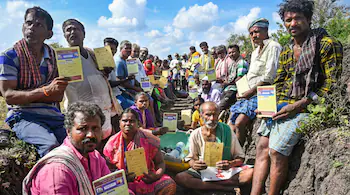

MGNREGA once stood as a strong promise to India’s rural poor. Today, that promise is breaking. The steady weakening of the Mahatma Gandhi National Rural Employment Guarantee Act reflects a deep moral failure. The country is watching a life-saving programme fade through neglect and hostile policy choices.
This decline did not happen by chance. It followed years of decisions that reduced funding, delayed wages, and weakened local control. What once protected millions now struggles to function.
A Scheme That Changed Rural Lives
MGNREGA gave legal backing to the right to work. It helped nearly 20 crore rural Indians earn wages with dignity. During droughts, job losses, and economic shocks, the scheme kept families afloat. It reduced migration and strengthened village economies.
The programme also symbolised inclusive governance. It placed power in the hands of gram sabhas. Villagers chose projects and monitored work. This structure built trust and accountability at the local level.
Many link MGNREGA’s success to the Congress-led UPA era and Sonia Gandhi’s role in shaping it. That association, critics say, made the scheme a political target rather than a shared national achievement.
How Policy Choices Hurt the Poor
Successive governments have reduced MGNREGA’s strength through action and inaction. Budget allocations no longer match rising demand. Workers often wait months for wages. In many areas, payments fall below minimum wage levels.
Digital rules have added new barriers. Aadhaar-based attendance systems exclude elderly workers and migrants. Technical failures delay payments and deny workdays. Instead of helping the poorest, these systems punish them.
The government has also weakened gram sabhas. Officials now control decisions that communities once made. This shift removes local voices and reduces accountability. As a result, the scheme loses its purpose and impact.
Cruelty Disguised as Reform
The government often defends these changes in the name of efficiency. Leaders speak of saving money and stopping leaks. But efficiency means little when workers go unpaid and hungry.
When rural distress rises, the state caps spending. When workers demand wages, officials question their need. This approach treats poverty as a budget problem, not a human one.
Such governance lacks empathy. It replaces care with control and rights with restrictions. It celebrates savings while ignoring suffering.
A Collective Moral Test
MGNREGA’s decline reflects more than bad policy. It shows a wider failure of conscience. Society has largely stayed silent as a proven safety net weakens.
This is not responsible governance. It is harm hidden behind policy language. A nation that allows its poorest citizens to suffer cannot claim moral strength.
MGNREGA’s destruction is a choice. History will remember who made it and who stayed quiet.
