

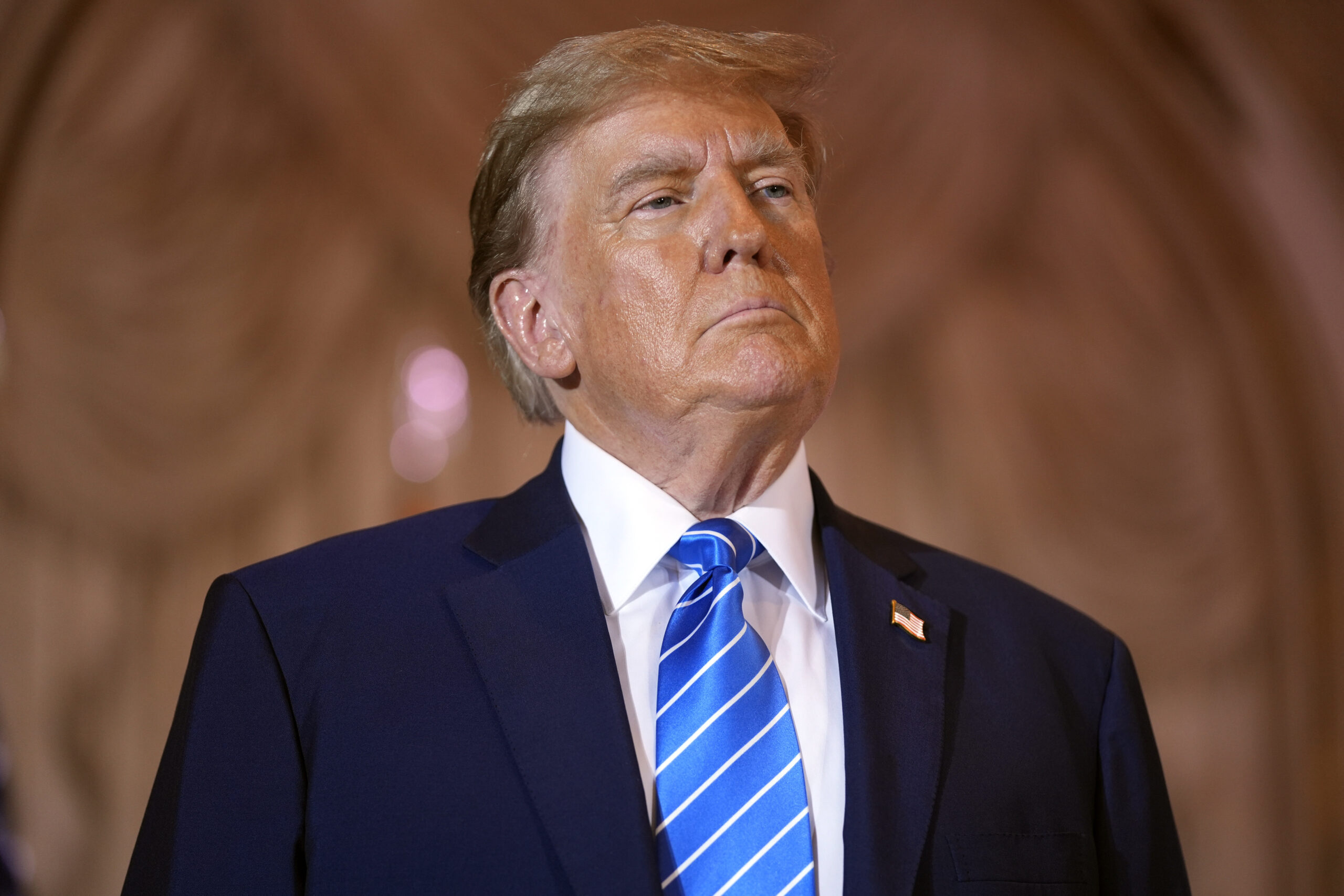

U.S. President Donald Trump has granted a 30-day delay in the imposition of steep tariffs on Mexico and Canada, providing temporary relief in exchange for commitments on border security and crime enforcement. However, tariffs on Chinese imports are set to proceed as planned.
The announcement, made on Monday, follows talks with Canadian Prime Minister Justin Trudeau and Mexican President Claudia Sheinbaum. Both leaders have pledged to take stronger measures to curb illegal immigration and drug smuggling, key priorities for Trump’s administration.
Under the agreement, Canada will bolster its border security by deploying advanced technology and additional personnel to tackle organized crime, fentanyl trafficking, and money laundering. Mexico has agreed to deploy 10,000 National Guard members along its northern border to address illegal migration and drug smuggling. In turn, the U.S. has pledged to prevent the trafficking of high-powered weapons into Mexico, as confirmed by Sheinbaum.
Trump expressed satisfaction with the outcome, saying on social media, “As President, it is my responsibility to ensure the safety of ALL Americans, and I am doing just that. I am very pleased with this initial outcome.”
The last-minute deal temporarily averts a full-blown trade war, which economists had warned could have significant economic consequences for all parties. The 25% tariffs originally scheduled to take effect on Tuesday are now delayed for 30 days, allowing more time for further negotiations on economic agreements.
China Tariffs Moving Forward
While Mexico and Canada have secured a temporary reprieve, China remains the primary target of Trump’s trade measures. A 10% tariff on Chinese goods will take effect at 12:01 a.m. ET on Tuesday (0501 GMT), with Trump expected to speak with Chinese President Xi Jinping later this week.
Trump warned of further escalation, stating, “China hopefully is going to stop sending us fentanyl, and if they’re not, the tariffs are going to go substantially higher.” Beijing has rejected the U.S. claims, calling fentanyl an American problem and vowing to challenge the tariffs at the World Trade Organization. Chinese officials have hinted at potential countermeasures, while maintaining an open dialogue with the U.S.
The news of the temporary reprieve for Mexico and Canada boosted the Canadian dollar, which had recently hit a 20-year low. U.S. stock index futures also saw a rise following losses on Wall Street.
Trade organizations welcomed the delay, with Chris Davison, head of a Canadian canola producers’ trade group, calling it “very encouraging news.” He emphasized the highly integrated nature of the industry, which benefits both countries.
EU May Be Next Target
Trump also hinted that the European Union could be his next focus, though no specific timeline was provided. The 27-nation bloc has warned of retaliation if the U.S. imposes tariffs, but expressed a willingness to negotiate.
Meanwhile, Britain, which left the EU in 2020, may be spared from any potential trade restrictions, according to Trump.
Although the U.S. president acknowledged that tariffs could lead to higher costs for American consumers, he defended them as necessary for addressing immigration concerns, narcotics trafficking, and promoting domestic industrial growth.
Analysts have warned, however, that the tariffs could push Canada and Mexico into recession and risk triggering stagflation—a combination of high inflation, stagnant growth, and rising unemployment—in the U.S.
