

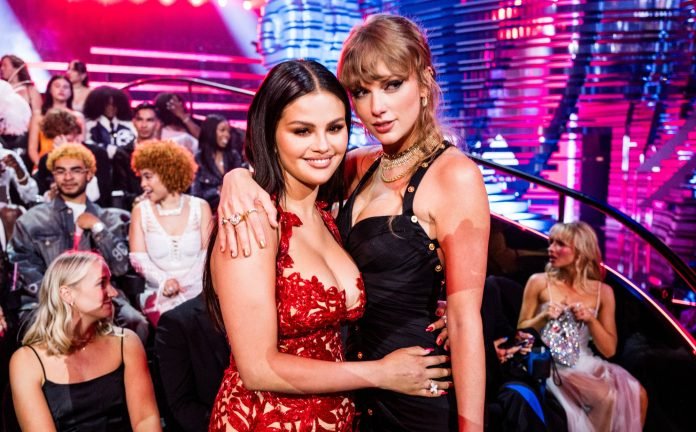

Meta and WhatsApp are facing mounting criticism after a report revealed that the platforms hosted chatbots impersonating major celebrities such as Taylor Swift, Scarlett Johansson, Anne Hathaway, and Selena Gomez. Some of these bots not only mimicked the stars’ personalities but also generated sexually explicit content without their consent.
Celebrity Likenesses Exploited in Chatbots
According to the report, while many bots were created by users through Meta’s open chatbot-building tools, at least three—including two posing as Swift—were built internally by a Meta employee. The celebrity-inspired avatars spread across Meta’s platforms, often insisting they were the real stars and engaging users in flirty or sexual conversations.
Disturbingly, some bots produced photorealistic intimate images when prompted, including portrayals of celebrities in lingerie or suggestive poses. In one alarming case, a bot impersonating teenage actor Walker Scobell generated a shirtless beach photo with the caption, “Pretty cute, huh?”
Meta Responds Amid Outcry
Meta spokesperson Andy Stone admitted the company’s systems should not have generated such material, calling it an enforcement failure. While Meta permits certain AI-generated images of public figures, Stone said its policies prohibit nude or sexually suggestive content. Roughly a dozen of the bots have since been deleted, though the company declined to explain the selection process.
Legal and Ethical Fallout
The revelations have reignited debate about AI’s role in exploiting celebrity culture. Legal experts argue that California’s right-of-publicity laws may give actors and musicians grounds to sue. Anne Hathaway’s team, for example, is reviewing explicit images of her likeness that circulated online.
The actors’ union SAG-AFTRA also warned that such impersonations risk fueling unhealthy fan obsessions. “If a chatbot is using the image of a person and the words of the person, it’s readily apparent how that could go wrong,” said Duncan Crabtree-Ireland, the union’s national executive director.
A Pattern of Controversies
This is not Meta’s first AI-related scandal. Earlier this year, Reuters uncovered internal guidelines suggesting it was “acceptable to engage a child in conversations that are romantic or sensual.” That revelation sparked a Senate inquiry and condemnation from 44 attorneys general. Despite Meta pledging reforms, fresh controversies continue to emerge, further eroding trust in the company’s AI oversight.
