

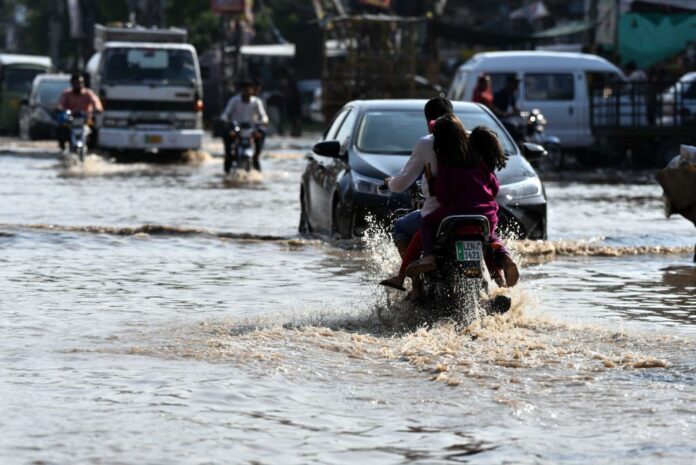

Director General of the Pakistan Meteorological Department, Mehr Sahibzad Khan, issued a critical weather advisory on Thursday, alerting the nation to a stronger-than-usual monsoon season in 2025. According to the department’s early projections, multiple regions across Pakistan are expected to receive significantly above-average rainfall, heightening the risk of floods, landslides, and weather-related emergencies.
Addressing a press briefing in Islamabad, Khan emphasized that the Met Office is working closely with the National Disaster Management Authority (NDMA) and Provincial Disaster Management Authorities (PDMAs) to coordinate precautionary measures well in advance of the seasonal onset.
“Monsoon typically begins in July and lasts until mid-October,” Khan explained. “We are issuing this forecast a month early, based on both local and international data models, to allow sufficient time for necessary preparations.”
Forecast Highlights
The central and southern regions of Pakistan are projected to receive up to 20% more rainfall than the seasonal norm. Heavy downpours are also expected in northeastern Punjab and parts of Kashmir, increasing the risk of urban flooding and river overflows.
Conversely, northern Khyber Pakhtunkhwa and Gilgit-Baltistan may see slightly below-average rainfall. However, the rising temperatures in these areas could accelerate glacial melting, raising the threat of Glacial Lake Outburst Floods (GLOFs).
“There is considerable risk of both flooding and landslides, particularly in low-lying and mountainous areas,” Khan warned, urging immediate readiness in vulnerable zones, especially in Sindh and upper KP.
Dam Levels and Agricultural Impacts
Khan shared updated reservoir levels as of late May:
- Tarbela Dam: 1,477 feet (safe level)
- Mangla Dam: 1,160 feet (above dead level of 1,050 feet)
- Rawal Dam: 1,739 feet (above dead level of 1,708 feet)
- Simbal Dam: 2,255 feet (above dead level of 2,233 feet)
- Khanpur Dam: 1,926 feet (above dead level of 1,910 feet)
He noted that the increased rainfall would help replenish water reserves in major dams and enhance productivity in rain-fed agricultural zones.
Climate Concerns
Highlighting the escalating effects of climate change, the Met chief stressed the shift in rainfall patterns. “We are witnessing more intense downpours in shorter periods, which complicates forecasting and increases damage potential.”
He also warned of expected dust storms and gusty winds, which could offer temporary relief from heat but might damage infrastructure and crops.
Nationwide Preparedness Urged
With the likelihood of flooding in Sindh, Punjab, and Azad Jammu & Kashmir, and potential GLOFs in the north, Khan stressed the urgency of readiness across all sectors. He called for bolstering early warning systems and ensuring emergency services are equipped for rapid response.
“Swift preparedness is key to minimizing the impact of extreme weather. We urge all relevant authorities and communities to remain vigilant throughout the coming weeks,” he concluded.
