

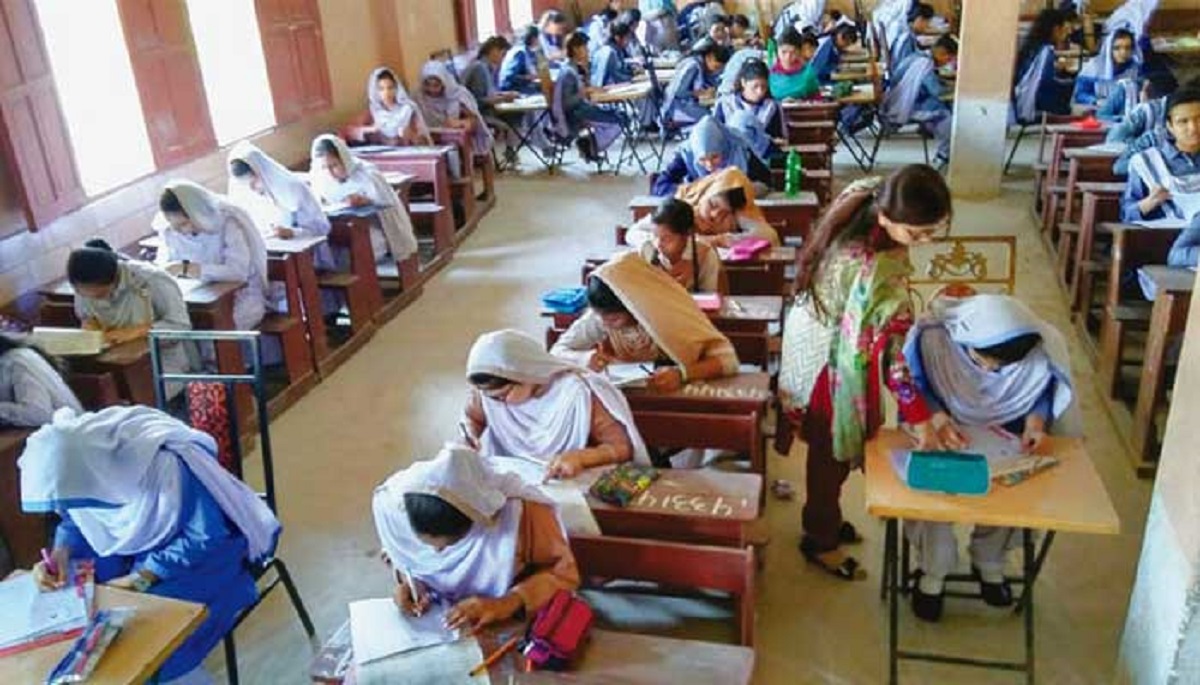

Punjab’s education minister has announced that matric and intermediate examinations will now take place after Eidul Fitr in 2026. ARY News reported the development on Wednesday, noting that the change aims to provide relief to students during the Ramadan and Eid holidays.
Initially, matric exams were scheduled to begin on March 3. Meanwhile, the intermediate examination schedule remained under discussion. However, officials decided to move both examinations to dates following Eidul Fitr. The minister said the decision would ensure students can focus on their studies without the added pressure of examinations during fasting and festive days.
Meanwhile, Karachi authorities have implemented strict security and regulatory measures around intermediate examination centres. The Karachi Commissioner imposed Section 144 to prevent cheating and ensure transparency in the examination process. The restrictions took effect immediately and will remain in force until December 30.
Exams in Karachi will take place daily from 2:00 pm to 5:00 pm. Only candidates with verified admit cards and authorised staff will be allowed inside the centres. The order prohibits the entry of any unauthorised person within a 200-yard radius of the examination sites.
Additionally, authorities have banned the use of photocopy machines near the centres to limit the circulation of illegal material. The display of weapons is also prohibited. Officials said mobile phones and all electronic devices will not be permitted inside the exam halls under any circumstances. They stressed that public gatherings near the centres are completely banned.
Law enforcement agencies have received instructions to strictly enforce these restrictions. Any violation will be dealt with under Section 188. Officials said the measures were introduced following a request from the Chairman of the Intermediate Board, who sought stronger controls to protect the examination process and curb activities of the cheating mafia.
Authorities expect the combined efforts in Punjab and Karachi to improve exam administration and reduce malpractice while supporting students during a demanding academic period.
