

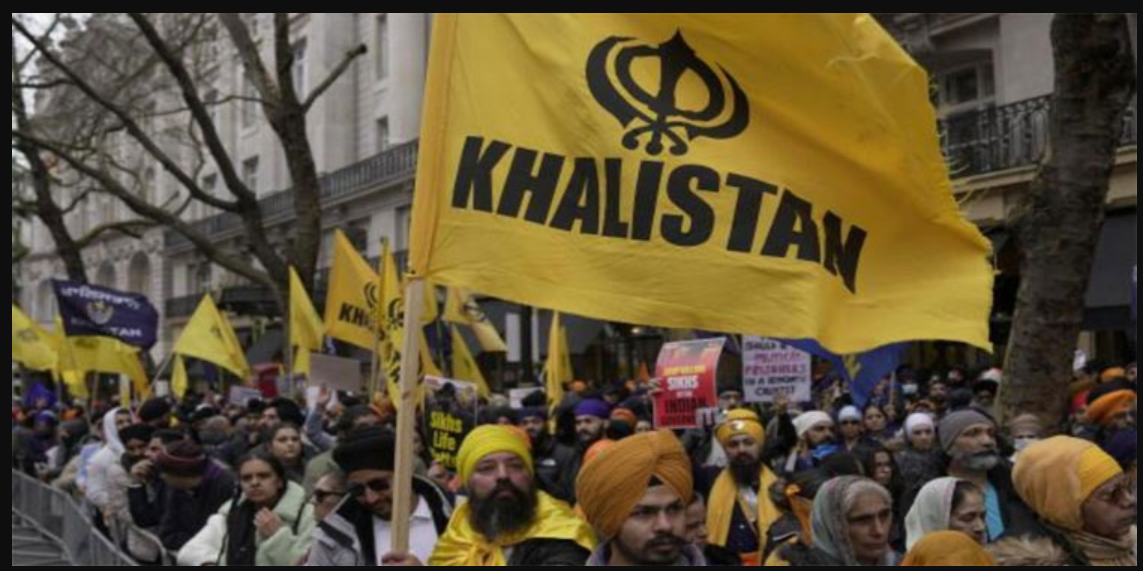

Thousands of Sikhs gathered in Ottawa to participate in a major Khalistan referendum organised by Sikhs for Justice. The event drew a significant crowd from the Canadian Sikh community. Their participation underscored growing anger toward India’s policies and intensified calls for an independent Sikh homeland. Furthermore, the gathering highlighted a rising wave of global political activism within the diaspora.
The referendum showcased the community’s increasing willingness to voice dissatisfaction through organised democratic actions. Participants used the event to express concerns over human-rights violations and the treatment of minorities in India. Their chants reflected long-standing grievances that have become more prominent in recent years.
Large Turnout Highlights Deepening Frustration
The strong participation signaled a deeper shift within the Sikh diaspora. Many attendees criticised what they described as repressive strategies that target minorities. They argued that these policies restrict political and religious freedoms across India. As a result, their mobilisation has gained momentum in several countries where Sikh communities remain active and well-organised.
Transitional efforts by organisers ensured that the vote ran smoothly. The crowd remained highly engaged, and the atmosphere carried a sense of urgency. Supporters believed that initiatives like these remain essential for raising awareness about political issues that often go unaddressed.
Pannun Calls the Referendum a Democratic Response
SFJ leader Gurpatwant Singh Pannun described the Ottawa vote as a direct response to what he called Hindutva-driven aggression and state oppression. He stated that democratic participation offers the most effective method to oppose policies introduced by Prime Minister Narendra Modi’s government. According to him, ballots create a peaceful way to challenge authoritarian actions.
He emphasised that the Sikh diaspora has grown increasingly frustrated with limits on religious expression. Moreover, he noted that political restrictions have contributed to a stronger push for global activism. His remarks reflected the sentiments voiced by many participants throughout the day.
Global Series of Votes Intensifies Sikh Political Advocacy
The Ottawa referendum forms part of a wider global campaign coordinated by Sikhs for Justice. This ongoing series of votes aims to document political grievances and amplify Sikh demands for sovereignty. Furthermore, supporters want to gather international attention for issues they believe remain overlooked in mainstream discussions.
Organisers said the aim is not only to collect ballots but also to demonstrate collective resolve. Through these referendums, they plan to build a consistent record of support across multiple countries. This strategy has helped them connect communities, strengthen advocacy networks, and deepen engagement in long-standing political debates.
The large turnout in Ottawa revealed a growing determination within the Sikh diaspora to highlight concerns about India’s internal policies. The event captured widespread frustration, strengthened calls for political autonomy, and pushed global conversations forward. While the movement continues to draw significant controversy, the Ottawa referendum has clearly intensified the ongoing debate about Sikh identity, state power, and human rights.
