

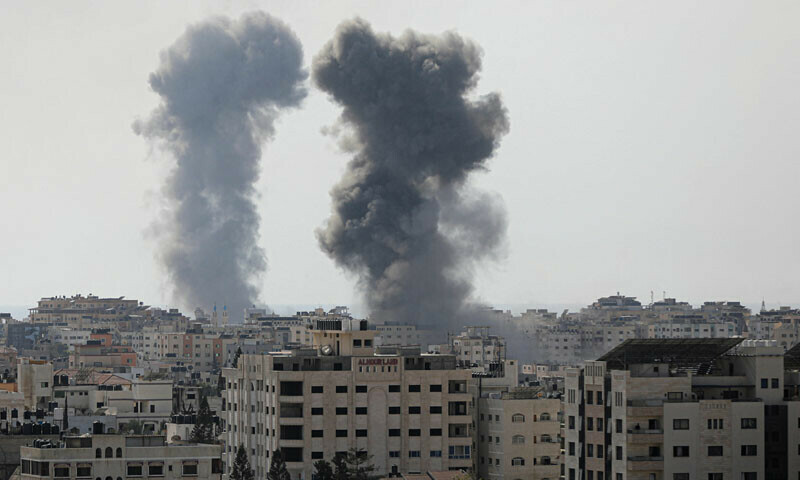

A massive fire at a drug rehabilitation center in northern Iran has resulted in the loss of at least 32 lives and left 16 individuals injured, according to reports from Iranian media.
Initial investigations indicate that the fire was caused by a heater at the opium rehab camp in Langarud, located in the Caspian Sea province of Gilan, and it subsequently spread throughout the facility.
The province’s deputy governor revealed the cause of the fire and noted that the manager and other potential culprits have been arrested to determine the exact cause of the incident more accurately.
Iran faces one of the most severe addiction problems in the world, and it is a key point along the primary trafficking route for poppy, which serves as the source of opium and heroin, from Afghanistan to Western Europe, as highlighted by the United Nations Office on Drugs and Crime.
US House passes $14.5bn military aid package for Israel
In another development, the United States House of Representatives has passed a Republican plan that provides $14.5 billion in military aid for Israel. This move has set up a partisan clash over the traditionally bipartisan issue of supporting the staunch US ally.
The plan, funded by cuts to the Internal Revenue Service, was passed on Thursday with a vote of 226 to 196, largely along party lines.
This legislative action is the first major one under new Republican House Speaker Mike Johnson, who assumed his role last week after Kevin McCarthy was removed by the hard-right faction of his party.
The package includes $4 billion to replenish Israel’s Iron Dome and David’s Sling missile defense systems, as well as military equipment transferred from US stocks.
Despite the passage in the House, the bill faces a slim prospect of becoming law as US President Joe Biden and Senate Democrats have signaled their opposition. They object to the bill’s inclusion of spending cuts and its lack of aid for Ukraine.
For the bill to become law, it would need to pass the Senate, where Democrats hold the majority, and receive President Biden’s signature.
Before the vote, the White House expressed concerns, stating that the bill “would have devastating implications for our safety and alliances in the years ahead.”
