
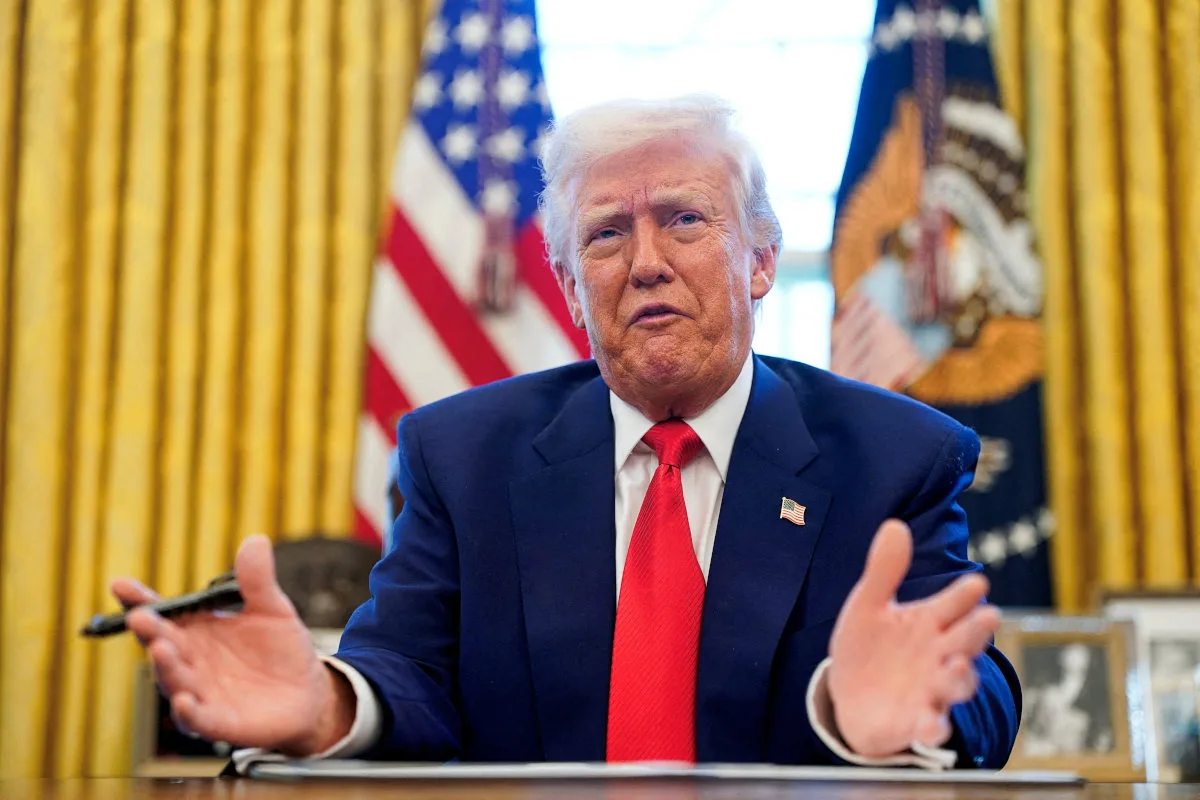

Washington: The Iran conflict has expanded beyond missiles and troops in its fourth week. There is a rapid transition in financial markets, oil prices, and political messaging. On Monday, Donald Trump prompted market swings after he claimed progress in talks with Tehran, even as uncertainty lingered.
At first, Trump announced a five-day pause on potential US strikes targeting Iranian energy sites, describing recent exchanges as “productive.” Consequently, global markets reacted instantly. US stocks surged by nearly $1.7 trillion, while oil prices dropped about 15 percent. However, the optimism faded within minutes when Iranian officials denied any direct negotiations. As a result, markets reversed part of their gains, reflecting deep skepticism.
Meanwhile, Trump spoke of possible agreements and even claimed that Iran made the first move in terms of contact. He also issued a stern warning that military action would also proceed in case talks fail.
Conflicting narratives and rising tensions
Tehran, however, vehemently denied this account. The Iranian government argued that no talks had taken place. It implies that the statements were likely intended to manipulate global energy markets.
However, the international community also took a cautious approach in this regard. Russia watched contradictory statements while Britain saw the possibility of talks as a positive sign.
Meanwhile, on the military front, a different story emerged. The US continued to strengthen its presence in the Middle East, even as the USS Gerald R. Ford left for repairs. Benjamin Netanyahu indicated no signs of slowing down in this regard, emphasizing the high stakes in this conflict.

