

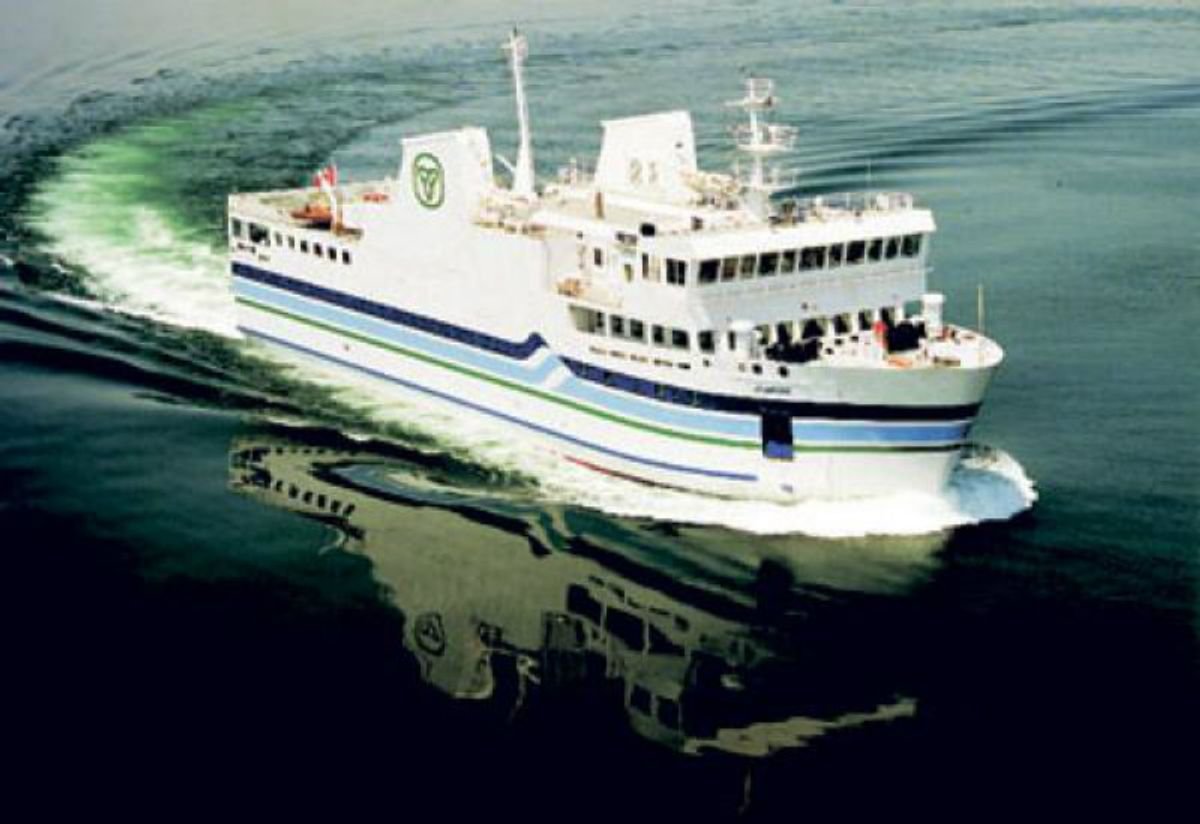

ISLAMABAD: In light of an ongoing deadlock between the federal government and Shia political groups regarding a ban on land travel to Iran for Arbaeen pilgrims, the Ministry of Maritime Affairs is actively considering the launch of Pakistan’s first-ever ferry service to facilitate religious travel to Iran and Iraq.
Arbaeen, observed as the chehlum of Imam Husain, draws hundreds of thousands of Pakistani Zaireen (pilgrims) annually.
While a finalised roadmap for the ferry service is still in the works, officials expect it to be completed in the coming weeks. On Friday, Federal Minister for Maritime Affairs, Muhammad Junaid Anwar Chaudhry, called for the swift implementation of the ferry service and pushed for urgent reforms in licensing procedures and financial facilitation for private operators. These steps aim to make sea travel affordable, efficient, and accessible, especially for religious travelers.
During a meeting with Shipping and Ports Director General Alia Shahid, the minister underscored the economic and social value of launching such a service. He highlighted that the ferry would not only serve tourism and business sectors but would also provide a reliable and cost-effective alternative for religious pilgrims.
Stressing that an estimated 700,000 to one million Pakistani Zaireen travel to Iran and Iraq each year, he noted that if just 20 percent of them opted for sea travel, it could generate 140,000 to 200,000 passengers annually, creating significant economic opportunities.
Consultations are currently ongoing with private sector stakeholders and regional maritime authorities. Feasibility studies and regulatory frameworks are being developed in parallel, with a pilot launch anticipated soon. The minister also directed that the ferry licensing process be fully digitalised and integrated into the Pakistan Single Window platform, aiming to cut the current six-month timeline down to just one month.
He emphasised the need to eliminate bureaucratic delays and to support entrepreneurship in the maritime sector by exploring hybrid financial models, including bank and insurance guarantees.
Meanwhile, tensions continue to mount over the government’s decision to restrict land travel for Arbaeen pilgrims. Negotiations between the federal government and representatives of Shia organizations have stalled.
A delegation comprising leaders from Majlis Wahdat-i-Muslimeen (MWM) and the Shia Ulema Council (SUC) submitted a written proposal to the Ministry of Interior on Thursday, calling for the immediate reversal of the ban. They also urged the government to facilitate the movement of approximately 80 buses currently stranded in Quetta toward the Gabd-Rimdan border crossing.
However, the government’s response was delayed, reportedly due to high-level security meetings ahead of the Iranian president’s scheduled visit on Saturday. As a result, neither the Minister of State for Interior nor any senior official from the Interior Ministry met the delegation.
MWM Secretary General Nasir Shirazi expressed concern over the lack of urgency shown by the authorities, noting that the issue affects pilgrims across sectarian lines, including many from the Ahle Sunnah school of thought. He reiterated the group’s preference for resolving the matter through dialogue but warned that continued government inaction would force them to reconsider their strategy.
