

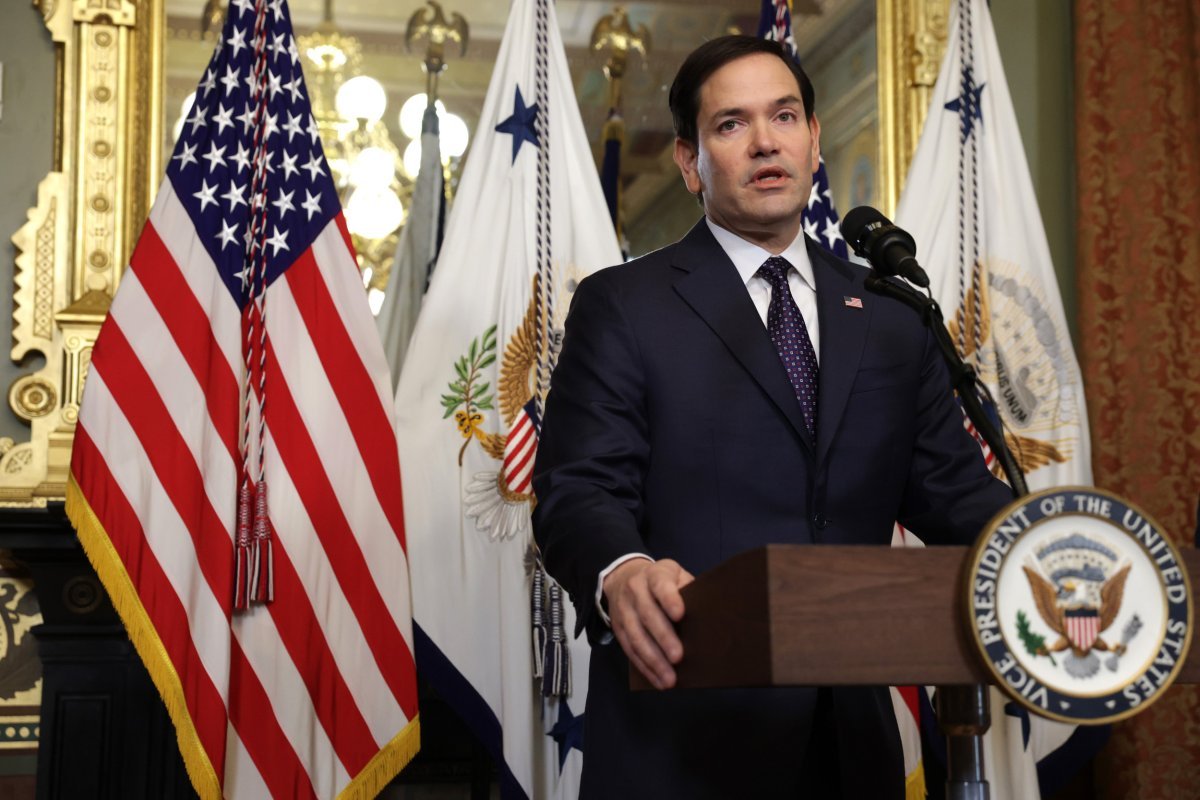

The United States has expressed strong appreciation for Pakistan’s willingness to consider joining a proposed Gaza stabilisation force. US Secretary of State Marco Rubio described Pakistan as a key potential partner in the initiative. However, he stopped short of confirming any final troop commitment at this stage.
Rubio said Washington was grateful for Pakistan’s offer to be part of the process. He clarified that further discussions were still required before formal commitments could be sought. Accordingly, the proposal remains under consultation rather than final approval.
Talks Continue on Structure and Mandate
Earlier this week, Pakistan participated in an international conference held in Qatar. The meeting focused on the proposed International Stabilisation Force for Gaza. Nearly 45 countries attended the discussions on command structure and operational details.
Rubio noted that several core issues remain unresolved. These include the force’s mandate, funding mechanisms, and rules of engagement. As a result, no country has yet been asked to deploy troops formally.
He also said the next step involves forming a Palestinian technocratic body. This group would oversee daily governance in Gaza. Once established, it would help finalise the stabilisation force framework.
Pakistan’s Position Remains Exploratory
Pakistan has clarified that no final decision has been made. Officials have stated that talks are still at an exploratory stage. Therefore, any discussion of troop deployment remains preliminary.
Diplomatic sources have suggested that Pakistan is considering deploying 3,500 troops. However, this figure has not been officially confirmed. Islamabad continues to evaluate the political and security implications.
Broader International Effort Takes Shape
The United States has approached more than 70 countries for support. This includes requests for troops, logistics, and financial assistance. So far, 19 countries have reportedly shown willingness to contribute in some form.
International deployment could begin as early as next month. Still, timelines depend on agreement over funding and authority. Consensus among participating states remains essential.
Gaza Context and Political Challenges
Gaza has suffered widespread destruction after two years of conflict. A US-backed peace plan announced earlier laid the groundwork for a ceasefire agreement. The stabilisation force is a central element of that framework.
The plan was later endorsed by the UN Security Council. Pakistan voted in favour, while some members abstained. However, Hamas rejected the resolution and opposed any force involving disarmament.
This opposition highlights ongoing uncertainty around implementation. Despite this, Washington remains confident in building a viable coalition. Pakistan’s role, if confirmed, would be seen as strategically significant.
