

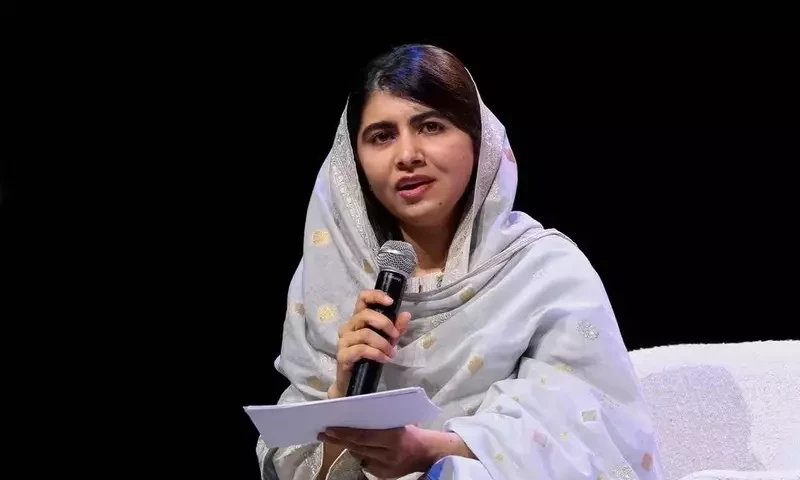

Nobel Peace Prize winner Malala Yousafzai, speaking at the 21st Nelson Mandela Annual Lecture in South Africa, drew parallels between the restrictions imposed by the Taliban on women in Afghanistan and the treatment of Black people under apartheid.
Malala, who survived a gunshot to the head at 15 for advocating girls’ education in Pakistan, emphasized that the Taliban’s actions constitute “gender apartheid” and effectively make girlhood illegal by restricting education and freedom for Afghan girls.
In her lecture in Johannesburg, Yousafzai urged the international community not to normalize relations with the Taliban, which returned to power in Afghanistan in 2021. She highlighted the Taliban’s curtailment of women’s rights, such as preventing Afghan female staff from working at aid agencies, closing beauty salons, and restricting women’s travel without a male guardian.
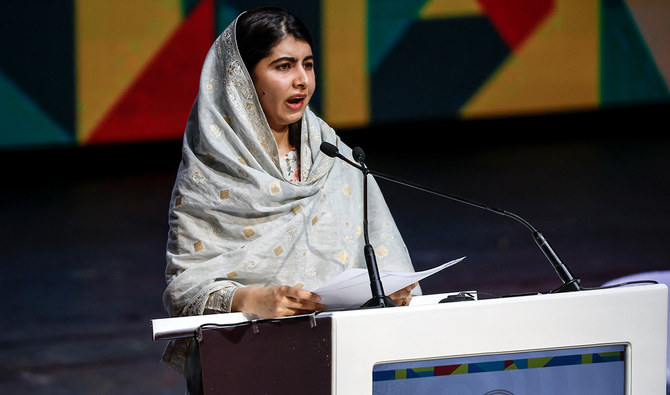
The Taliban claim to respect women’s rights according to its interpretation of Islamic law and Afghan custom. Yousafzai expressed concern that the Taliban might erode sciences and critical thinking even for boys.
She emphasized the importance of the international community not only protecting access to education for girls but also ensuring that it is quality education and not indoctrination.
In an interview following the lecture, Yousafzai expressed her desire for an immediate ceasefire in the war in Gaza, allowing children to return to school and resume normal lives. She highlighted the impact of conflicts on children, stripping them of a normal childhood, especially in war-torn areas like Gaza.
