
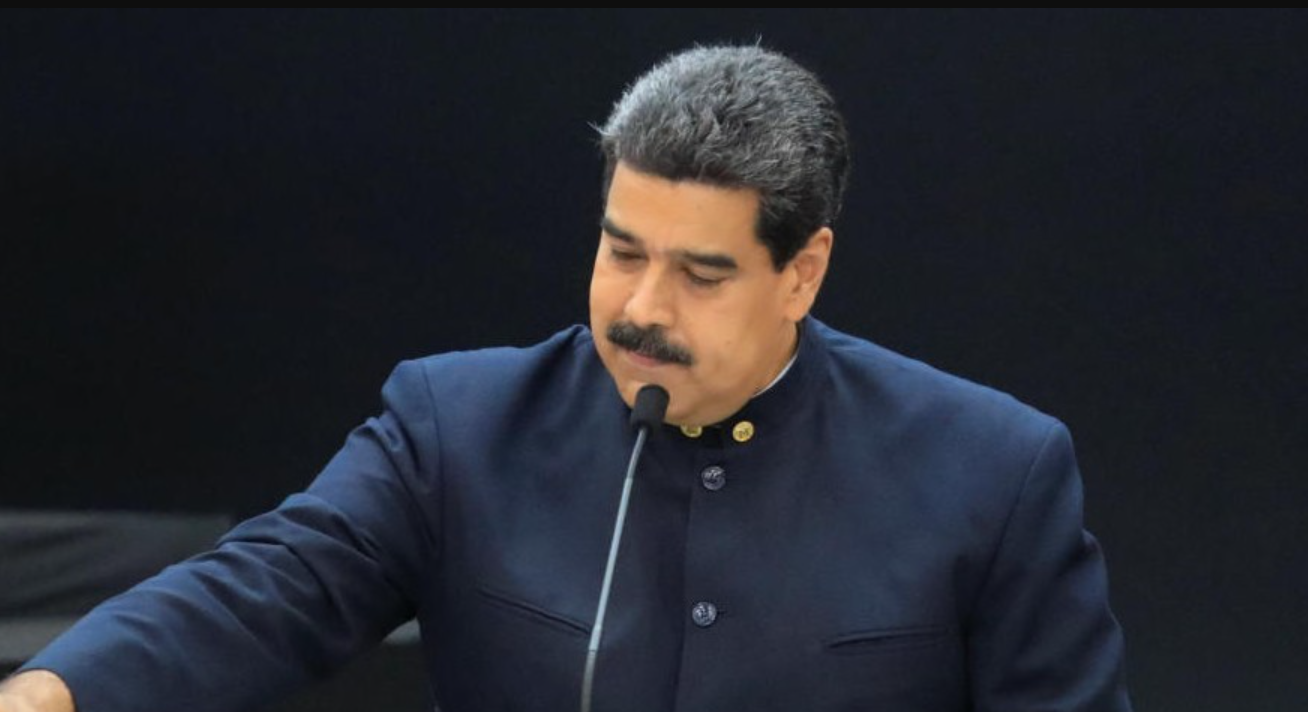

A high-profile US court case involving former Venezuelan president Nicolas Maduro is drawing global legal attention. The trial could test the effectiveness of America’s rarely used narcoterrorism law.
Maduro, aged 63, returned to a US courtroom facing multiple federal charges, including narcoterrorism, drug trafficking conspiracy, and money laundering. He pleaded not guilty to all allegations earlier this year.
Legal observers consider the case significant because the narcoterrorism statute has rarely succeeded during full trials. Therefore, prosecutors face a demanding legal challenge from the outset.
A Law With Limited Trial Success
The narcoterrorism law was introduced in 2006 to target drug trafficking linked to activities classified as terrorism by the United States. However, its courtroom record remains mixed.
Only a small number of convictions have resulted from trials under this statute. Moreover, two earlier convictions were later overturned due to concerns about witness credibility.
This history raises important questions about whether prosecutors can meet the law’s strict evidence requirements. Consequently, the Maduro case may become a defining legal test.
Legal experts explain that proving a defendant knowingly supported terrorism through drug trafficking represents the statute’s most difficult element. Even minor investigative gaps can weaken such cases.
Prosecutors Focus on Evidence and Witnesses
Authorities have not publicly revealed the witnesses expected to testify against Maduro. Nevertheless, developments suggest cooperating insiders could play a central role.
One former Venezuelan general indicted alongside Maduro has expressed willingness to cooperate with prosecutors. His testimony could become a key component of the government’s case.
However, past narcoterrorism trials demonstrate the risks of relying heavily on cooperating witnesses. Courts previously overturned convictions when testimony proved unreliable or insufficiently challenged.
Therefore, prosecutors must carefully establish credibility while linking alleged drug activities directly to terrorism financing.
Allegations of Drug Trafficking Links
Prosecutors accuse Maduro of leading a conspiracy that allegedly allowed cocaine shipments to move through Venezuela. Investigators claim officials collaborated with traffickers connected to Colombian rebel groups.
The United States previously designated the Revolutionary Armed Forces of Colombia as a terrorist organisation for many years. According to prosecutors, alleged drug operations financially benefited such groups.
Maduro and other accused officials strongly deny wrongdoing. They argue that the charges reflect political motives rather than criminal conduct.
Alongside narcoterrorism, Maduro also faces additional counts, including conspiracy related to cocaine importation. These charges carry severe penalties if proven in court.
Broad Legal Definition Raises Stakes
Under US law, narcoterrorism carries a mandatory minimum sentence of 20 years in prison. This penalty is significantly harsher than standard drug trafficking charges.
The statute defines terrorism broadly as politically motivated violence against civilians. Because of this wide definition, prosecutors must still demonstrate clear knowledge of the terrorism connection.
Legal analysts note that motivation does not need to be ideological. Instead, prosecutors must prove the defendant understood that criminal actions benefited a group involved in terrorism.
Cooperation Deals Could Shape the Outcome
Two former Venezuelan military officials previously charged in related investigations may influence the trial’s direction. Both pleaded guilty to separate offences linked to dealings with Colombian rebels.
One of them indicated a willingness to cooperate, although disagreements over admissions of drug trafficking complicated earlier negotiations.
His testimony, if accepted, could help prosecutors strengthen their narrative. Still, defense lawyers will likely challenge credibility and consistency during cross-examination.
A Trial With Global Legal Implications
The upcoming proceedings extend beyond one individual case. Legal experts believe the outcome may shape how the narcoterrorism law is applied in future prosecutions.
If prosecutors succeed, the trial could expand the statute’s practical use. Conversely, failure may reinforce doubts about relying on complex terrorism-linked drug charges.
As hearings continue, attention will focus on evidence quality, witness reliability, and the ability to prove intent beyond reasonable doubt.
Ultimately, the Maduro trial may determine whether a rarely tested law can withstand the scrutiny of a modern courtroom.

