

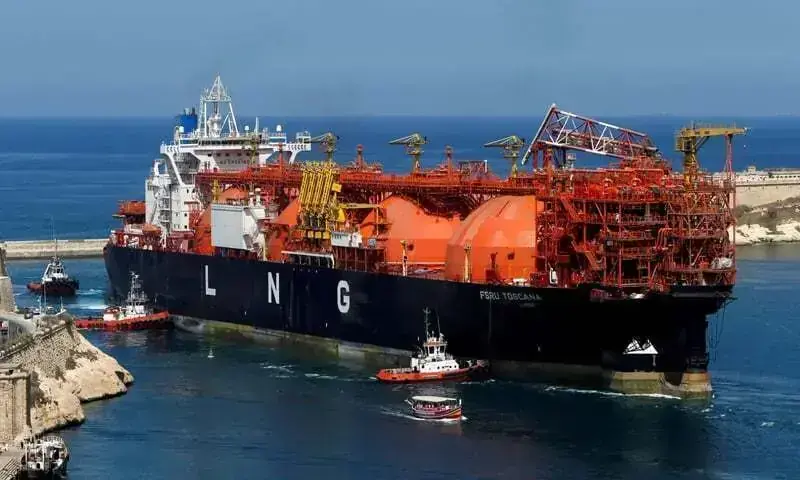
ISLAMABAD: Pakistan’s electricity generation has taken a hit after LNG supplies were officially placed under force majeure and stopped for power plants.
Officials confirmed the development on Tuesday during a hearing at the National Electric Power Regulatory Authority (Nepra). The problem started because of the ongoing war in the Middle East.
The conflict between the US, Israel, and Iran has badly affected global energy supplies. Qatar, which is one of Pakistan’s main LNG suppliers, shut down its operations on March 2 and declared force majeure just two days later.
As a result, LNG is currently not available for Pakistan’s power sector. The country has several LNG-based power plants with a total capacity of over 4,500 megawatts.
No Major Price Shock Expected
Rehan Akhtar, CEO of the Central Power Purchasing Agency (CPPA), told the hearing that LNG is under force majeure for now. However, he assured that coal imports from South Africa and Indonesia are still coming in normally.
Officials said consumers should not worry about any sudden big increase in electricity bills. They are encouraging people to use more solar power and cheaper daytime electricity to reduce pressure on the system.
Naveed Qaiser from the Power Planning and Monitoring Company said the government is preparing special tariff packages to promote electricity use during daylight hours.
Good News on Tariffs and Debt
He also shared some positive updates. The government has already given Rs46.56 billion in relief to consumers between July and February. This helped bring down electricity tariffs by Rs0.71 per unit.
Industrial electricity rates have also dropped sharply — from Rs49.19 per unit last year to Rs34.75 per unit this year.
For April, electricity prices will remain stable due to a small positive fuel cost adjustment. Officials promised that there will be no sudden jumps of Rs8 to Rs10 per unit.
The circular debt in the power sector has also improved. It has come down by around Rs780 billion compared to last year.
The government is closely watching the situation as the Middle East conflict continues to affect global fuel supplies and prices.

