

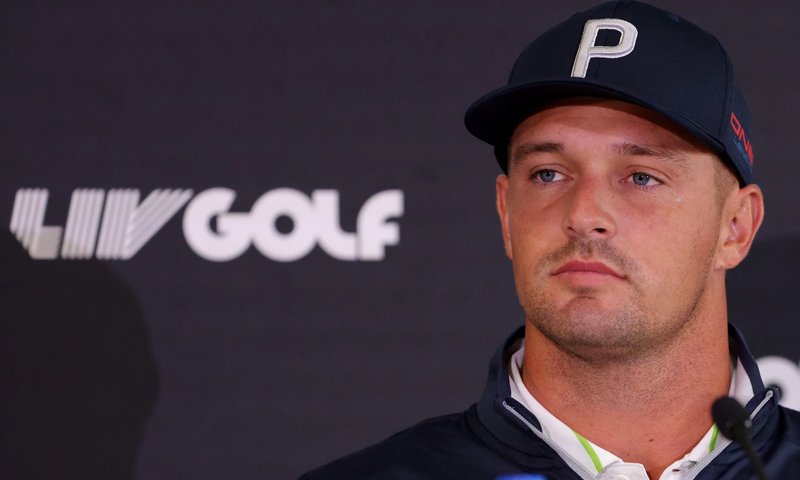

It is difficult to overstate the severity of LIV Golf’s current predicament. Just over three years after its highly publicized launch in June 2022 in leafy Hertfordshire, the Saudi-backed league now faces what many are calling its worst week since inception.
LIV burst onto the professional golf scene with audacity and ambition. It had the star power, the sensational pronouncements, and perhaps most importantly, the near-limitless financial backing of Saudi Arabia’s Public Investment Fund. Under the flamboyant leadership of Greg Norman, the breakaway tour appeared unstoppable. The PGA Tour, along with the broader professional golf establishment, seemed momentarily unmoored.
The early years of LIV were nothing short of dramatic. Heavyweights flocked to the new circuit, lured by record-breaking contracts and the promise of a fresh sporting revolution. Bryson DeChambeau joined within months of the league’s debut, followed by major champions Brooks Koepka and then-Europe Ryder Cup captain Henrik Stenson. Norman’s influence seemed omnipresent, and soon even recent Open champion Cam Smith was swayed to abandon tradition in favor of unprecedented riches.
The PGA Tour appeared to buckle under the pressure. Within a year of LIV’s inaugural events, the Tour had signed a “framework agreement” with the Saudi investors. For many observers, it seemed that LIV had already won the war before it had even fully begun.
Yet, fast forward 30 months, and the narrative has shifted dramatically. The initial euphoria surrounding LIV’s bold moves has largely dissipated. While the league initially strengthened its roster with marquee signings like Jon Rahm and Tyrrell Hatton in early 2024, the influx of talent since then has been underwhelming in terms of drawing global attention. A string of capable, but largely unheralded players, alongside a few promising youngsters, has failed to capture the same audience excitement that the early superstar signings generated. Despite digital marketing efforts and claims of robust viewership, television ratings remain weak.
Meanwhile, the PGA Tour has mounted an effective comeback. Backed by private equity and operating with a more streamlined, fan-friendly schedule, the Tour has regained momentum. Unlike LIV, which struggles to maintain the aura of invincibility it once projected, the PGA Tour now looks confident and unflinching, further highlighting the gulf between expectation and reality for the Saudi-backed league.
The situation reached a peak of crisis this week. On Wednesday, Patrick Reed, one of LIV’s prominent figures, refused to sign a new contract despite the league reportedly meeting his financial demands. Reed announced that he would play on the DP World Tour until his suspension on the U.S. circuit expires in the summer. Just a day later, Brooks Koepka returned to the PGA Tour in an emotional comeback, immediately broadcasting his presence on ESPN’s main channel. The timing could hardly have been more symbolic, emphasizing LIV’s waning influence in the eyes of mainstream golf audiences.
The contrast is striking. A league once celebrated for its ability to lure the world’s top golfers away from the PGA Tour is now losing stars back to the very institution it sought to disrupt. LIV’s promise of a sporting revolution has hit a sobering reality: financial clout alone cannot guarantee sustained success in a competitive sports ecosystem that values legacy, consistency, and viewer engagement.
Critics of LIV Golf argue that the league has become a cautionary tale about the limits of money in sports. Early hype and star power can create a fleeting impression of dominance, but long-term success depends on a combination of on-field competition, fan connection, and cultural legitimacy—areas where LIV is now visibly struggling.
As LIV prepares to launch its fifth season, the challenges are clear. Star departures, fragile contracts, and declining public interest threaten to erode the league’s credibility. While the Saudi-backed operation still possesses unmatched financial resources, the spectacle of Reed’s contract dispute and Koepka’s return highlight the fragility of a league built largely on headline-grabbing transfers rather than a sustainable competitive foundation.
For the PGA Tour, the week serves as a reaffirmation of its enduring strength. Not only has it weathered the initial storm of LIV’s rebellion, but it has also reclaimed narrative control, leveraging star returns and consistent broadcast exposure to remind fans and players alike of its legitimacy.
Ultimately, LIV Golf’s current crisis underscores a critical lesson for any emerging sports venture: audacious financial commitments can ignite attention, but long-term success requires strategic depth, compelling storylines, and an enduring connection with fans. Without these elements, even a league that once seemed poised to rewrite the rules of professional golf may find itself retreating under the weight of its own ambitions.
