

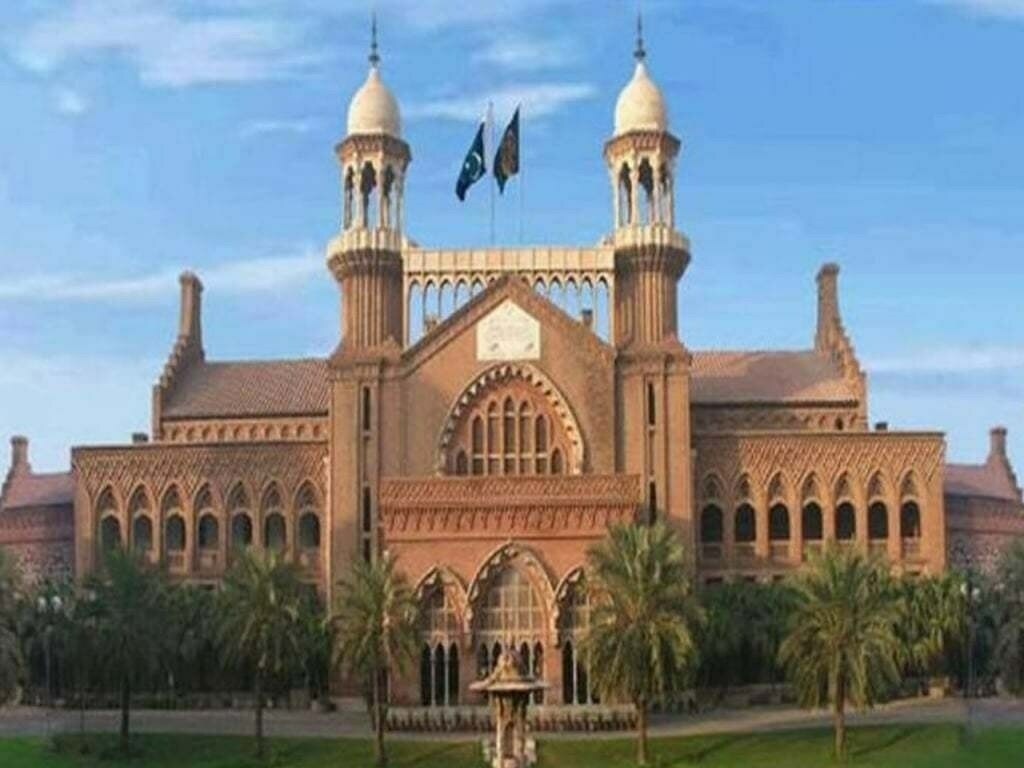

LAHORE: The Lahore High Court (LHC) has asked the federal government, the director general of immigration and passports, and the National Database and Registration Authority (Nadra) to provide responses in a case challenging a policy that requires married women to include their husband’s name on their Computerized National Identity Cards (CNICs) for passport issuance.
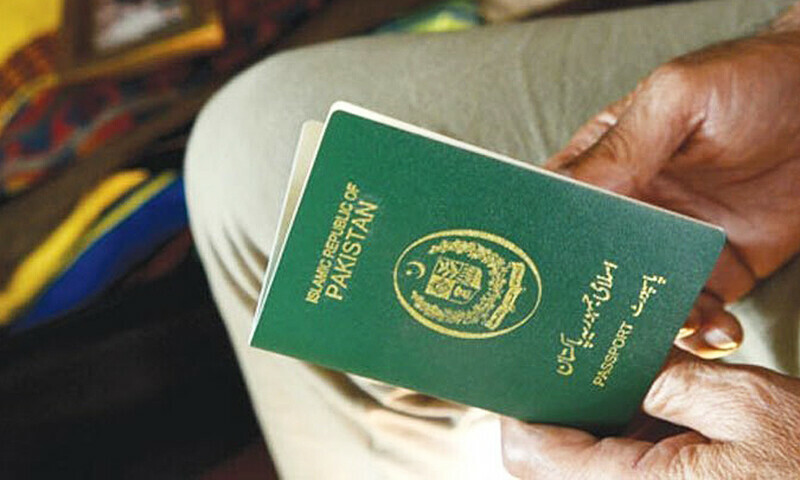
The petitioner, Barrister Khadija Shah, had her passport renewal application rejected by the passport office, which seemed to be based on her CNIC indicating her father’s name rather than her husband’s name. She argued that she had correctly updated her marital status with Nadra and that Nadra allows married women to retain the “name of father” section on their CNICs.
The passport office verbally communicated a policy that required married women to have a CNIC with their husband’s name to obtain a passport in their name.
Barrister Shah contended that this policy was arbitrary, illegal, discriminatory, and in violation of the Constitution. She petitioned the court to declare the policy invalid.
Justice Raheel Kamran Sheikh issued notices to the respondents, instructing them to submit their responses within two weeks after hearing the initial arguments.
ATC Orders Asad Umar To Join The Probe On 9 May Incidents
Meanwhile, an anti-terrorism court (ATC) in Lahore extended the interim bail of Pakistan Tehreek-e-Insaf (PTI) leader Asad Umar and ordered him to join the investigation into the violent incidents that occurred on May 9.
The hearing presided over by ATC Judge Abher Gul, focused on Asad Umar’s interim bail application concerning the events of May 9. The court extended Umar’s interim bail related to the May 9 incidents until October 4 and directed him to cooperate with the ongoing investigations.
The May 9 violence erupted following the arrest of the former prime minister and PTI chief at the Islamabad High Court. Protests took place in various regions, both remote and major cities, as PTI party workers expressed anger over their chairman’s arrest. In response, Balochistan, Punjab, Khyber Pakhtunkhwa, and Islamabad sought the assistance of the armed forces to maintain law and order.
During a protest by PTI workers, there were incidents of violence, including an attack on army installations and the house of the Corps Commander in Lahore.
