


Court Sentences Human Rights Lawyers to 17 Years
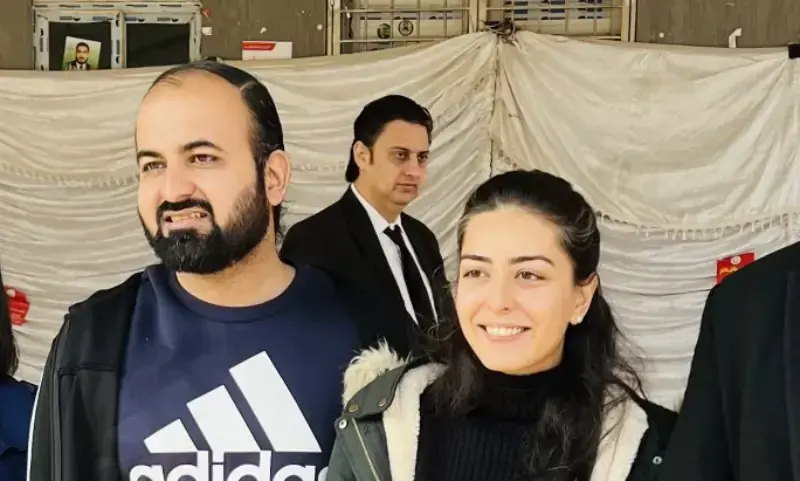
A sessions court in Pakistan has sentenced lawyer Imaan Zainab Mazari-Hazir and her husband, Hadi Ali Chattha, to a total of 17 years in prison. The sentence was issued on Saturday in a case linked to controversial social media posts. The couple was arrested in Islamabad just a day before the verdict.
According to the written court order, Imaan repeatedly shared “highly offensive, misleading, and anti-state content” on social media. The court also claimed that Hadi actively supported her actions. The order further stated that Imaan’s tweets from 2021 to 2025 reflected the agenda of banned groups such as the Balochistan Liberation Army (BLA) and Tehreek-i-Taliban Pakistan (TTP).
The harsh verdict immediately triggered widespread condemnation. Lawyers, activists, and politicians across Pakistan voiced outrage. Many called the trial unfair and questioned the court’s jurisdiction.
Critics Call the Verdict Illegal and Unconstitutional
Digital rights activist Usama Khilji described the verdict as “completely illegal, unconstitutional, and baseless.” He argued that the court issued the sentence despite a pending transfer application. The application sought to move the case from Judge Afzal Majoka’s court to another jurisdiction. Khilji said the order lacked due process and made Pakistan “a laughing stock.”
Lawyer Jibran Nasir also criticized the verdict. He said Judge Majoka had no jurisdiction because the transfer application was still pending. Nasir said the judge’s action was “coram non judice,” meaning the court order had no legal validity. He claimed the trial was a sham and violated the couple’s right to a fair hearing.
Nasir further argued that no court, even after the 27th constitutional amendment, could defend the decision. He added that the couple had exposed the regime by challenging the legal process.
The Tehreek Tahafuz Ayeen-i-Pakistan (TTAP) condemned the “harsh” sentences. The group said the trial was unfair and not independent. TTAP called the verdict a “blot on democracy and justice.” It also criticized constitutional amendments that, it said, reduced judicial independence and increased political pressure.
Political Leaders and Activists Decry State Repression
Many politicians also expressed strong criticism. PTI leader Omar Ayub Khan said the verdict proved the legal system in Pakistan was dead. He called the court a “kangaroo court” and said the judiciary had become a willing accessory to a “fascist regime.”
Activist Ammar Ali Jan said the couple were victims of “state gangsterism.” He added that their only crime was speaking for victims of enforced disappearances and false blasphemy accusations. He warned that everyone could face similar persecution if they remained silent.
Journalist Benazir Shah highlighted the couple’s human rights work. She said they defended those accused of blasphemy and families of missing persons. She called the verdict a moral and legal loss for the country.
Veteran journalist Mariana Baabar described the verdict as a warning to anyone who challenges the state. Journalist Azaz Syed said Judge Majoka would be remembered for delivering “justice to the state” quickly. He claimed the judge denied the couple cross-examination and final statements, key rights in legal proceedings.
Senate opposition leader Allama Raja Nasir Abbas called the verdict a “grave miscarriage of justice.” He said the lawyers were punished under the Prevention of Electronic Crimes Act for criticizing state abuses. He urged the higher judiciary to provide relief and called for accountability for human rights violations instead of punishing those who expose them.
Growing Concerns Over Judicial Independence
The case has raised serious questions about judicial independence in Pakistan. Critics say the verdict reflects political pressure and legal manipulation. They also fear it will intimidate activists, lawyers, and critics.
The reactions indicate deep public distrust in the legal system. Many observers believe the case may set a dangerous precedent. They argue it could silence dissent and restrict free speech online.
The international community is likely to watch the case closely. Human rights groups may also demand a review of the verdict. The higher courts may soon become the battleground for the couple’s future.
