
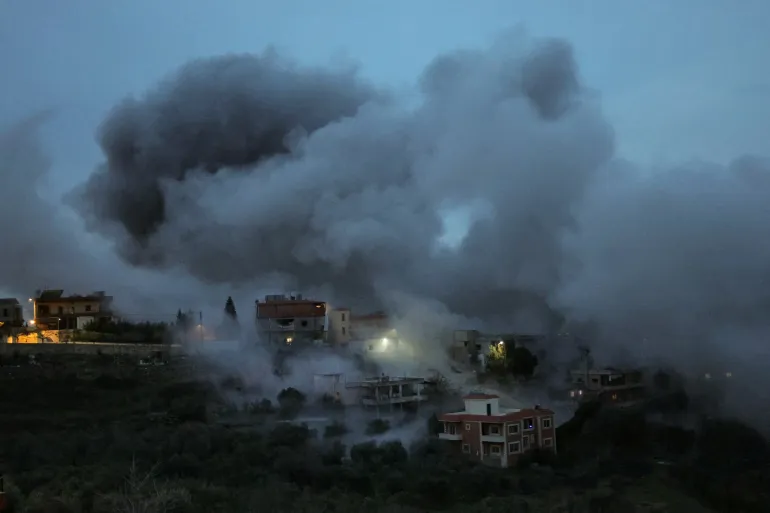

Rising Casualties Across Lebanon
The ongoing conflict between Israel and Hezbollah has caused massive human loss in Lebanon. According to the Lebanon Health Ministry, the death toll has now reached 1,530.
The casualties include 102 women and 130 children, highlighting the severe impact on civilians. Additionally, 57 healthcare workers have died while serving in hospitals and aid centers. These figures underscore the humanitarian crisis unfolding across the country.
More than 4,800 people have been injured since the conflict began over a month ago. Hospitals are overwhelmed, and medical resources are under severe strain. Local authorities continue to report daily casualties as airstrikes and ground clashes persist.
Impact on Civilians and Infrastructure
The conflict has devastated not only human lives but also critical infrastructure. Schools, hospitals, and residential areas have suffered damage. Families are being displaced, with many seeking refuge in safer regions within Lebanon.
Health workers are facing immense challenges. With hospitals overcrowded, treating the wounded becomes increasingly difficult. The death of medical personnel further exacerbates the crisis, limiting access to essential healthcare for civilians.
Humanitarian organizations are calling for urgent international support. Food, medical supplies, and shelter are urgently needed for the affected populations. The health ministry has repeatedly urged local and international actors to assist in relief efforts.
Calls for Peace Amid Ongoing Violence
The escalation between Israel and Hezbollah shows no sign of slowing. Both sides continue military operations, raising concerns of a wider regional conflict. The high civilian toll has drawn international condemnation.
Experts warn that prolonged fighting will worsen Lebanon’s already fragile humanitarian situation. Children and women remain the most vulnerable, and access to basic services is limited in conflict zones.
Efforts to mediate peace remain ongoing but have yet to produce concrete results. The international community is closely monitoring the situation, stressing the importance of dialogue and negotiation to prevent further casualties.
The health ministry’s latest report underscores the urgent need for a ceasefire. Humanitarian corridors and aid access are critical to saving lives and reducing suffering.
As the situation develops, authorities continue to update casualty numbers. Families across Lebanon remain in mourning, while hospitals and relief workers face ongoing challenges responding to the crisis.

