

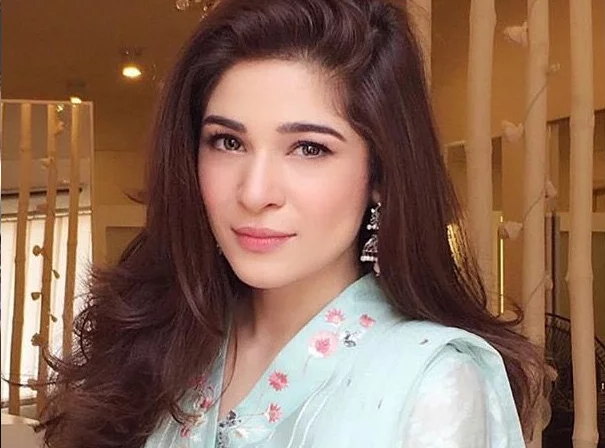

The announcement that Ayesha Omar will host Lazawaal Ishq has ignited heated debate across Pakistan. Marketed as the country’s first dating reality show, the project mirrors international formats like Love Island.
The show will feature four men and four women living in a villa. Contestants will date, face challenges, and form alliances under 24-hour surveillance. In the finale, one couple will emerge as the winners.
Teaser Fuels Controversy
The teaser, released in mid-September, immediately split audiences. Critics argued that the show clashed with cultural traditions and Islamic values. Social media campaigns demanding a boycott quickly spread. Hashtags targeted both the programme and its host.
Amid the uproar, many urged regulators to intervene before the show aired.
Pemra Issues Clarification
Responding to public complaints, the Pakistan Electronic Media Regulatory Authority (Pemra) issued a clarification. The regulator confirmed it had received a large number of complaints. However, Pemra explained that Lazawaal Ishq has not been licensed for television broadcast.
Pemra further clarified that its jurisdiction applies only to licensed TV channels. Since the teasers appeared online and the show will release on YouTube, Pemra cannot ban or approve it at this stage.
Host Defends the Project
Speaking from Istanbul, Ayesha Omar defended the project as a groundbreaking experiment for Urdu-speaking audiences. She highlighted that all contestants are Pakistani and described the show as a blend of drama, romance, and competition.
She explained that the villa setting, complete with a swimming pool and continuous filming, was designed to create an immersive experience. According to her, the production offers something never before attempted in Pakistan’s entertainment industry.
Polarised Reactions Continue
Despite her optimism, criticism remains strong. Religious groups, cultural commentators, and many social media users argue that dating shows undermine family values. Some even pledged to approach the courts to block the programme.
Critics accused the production of promoting behaviours deemed inappropriate. Calls to “report” and “boycott” the show circulated widely online. Others warned that it risked spreading “shamelessness” and Western cultural influence.
Conversely, supporters accused critics of hypocrisy. They argued that many who oppose the show enjoy foreign reality formats without objection. Some urged audiences to support local stars and productions instead of dismissing them without watching.
Future of the Show Uncertain
So far, producers have not announced a broadcast date or official platform. The uncertainty leaves the project in limbo.
However, what is clear is that Lazawaal Ishq has already become a cultural flashpoint. The debate now extends beyond entertainment, raising questions about regulation, values, and Pakistan’s evolving media landscape.
