

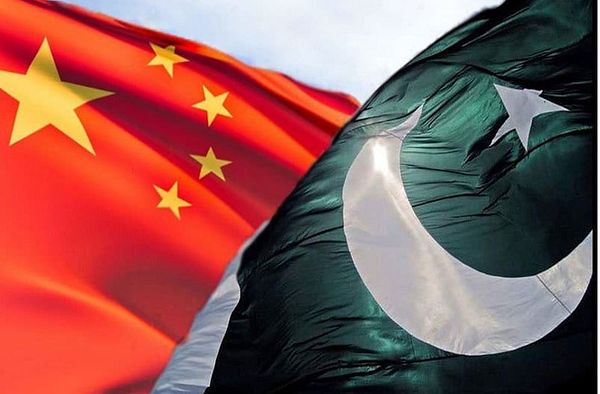

As of November 6, the General Administration of Customs of China (GACC) has announced that Pakistani dairy products meeting inspection and quarantine standards are now permitted for import to China.

This development is a significant step in the collaboration between China and Pakistan under the China-Pakistan Economic Corridor’s phase II, with a focus on agriculture and poverty alleviation.
The access granted to dairy and meat products is expected to contribute to economic development and create job opportunities in Pakistan. The two countries have a history of cooperation in developing the dairy industry, particularly in the production of high milk-yielding cows.
In 2022, the Royal Group of China established a laboratory in Lahore for the development of buffalo embryos, aiming to enhance the quality of dairy production. The group also plans for the deep processing of buffalo milk, including milk powder, cheese, and fresh milk, with the potential to generate thousands of jobs in Pakistan.
The range of dairy products allowed for export from Pakistan to China includes items made from cow’s or camel’s milk, such as milk powder, whey powder, whey protein powder, colostrum powder, sterilized milk, fermented milk, cheese, processed cheese, thin cream, butter, and anhydrous cream.
A joint press statement issued on October 20 highlighted the signing of protocols for the export of heated beef, dried chili, and fresh cherries from Pakistan to China. The agreement on the export of Pakistani dairy products and animal hides to China further solidifies the economic cooperation between the two countries.
The Islamabad Chamber of Commerce & Industry emphasizes the crucial role of Pakistan’s dairy sector in the national economy, ranking the country as the fifth-largest milk producer globally, with an annual production exceeding 65 million tonnes. However, the lack of modern technology and best practices has resulted in over 95% of the milk remaining unprocessed, leading to a significant economic loss.
This recent development is expected to enable Pakistan to expand its exports to China, providing a boost to its economy by tapping into a new market. Meanwhile, for China, it addresses the growing demand for high-quality dairy products, offering consumers a broader range of options.
