

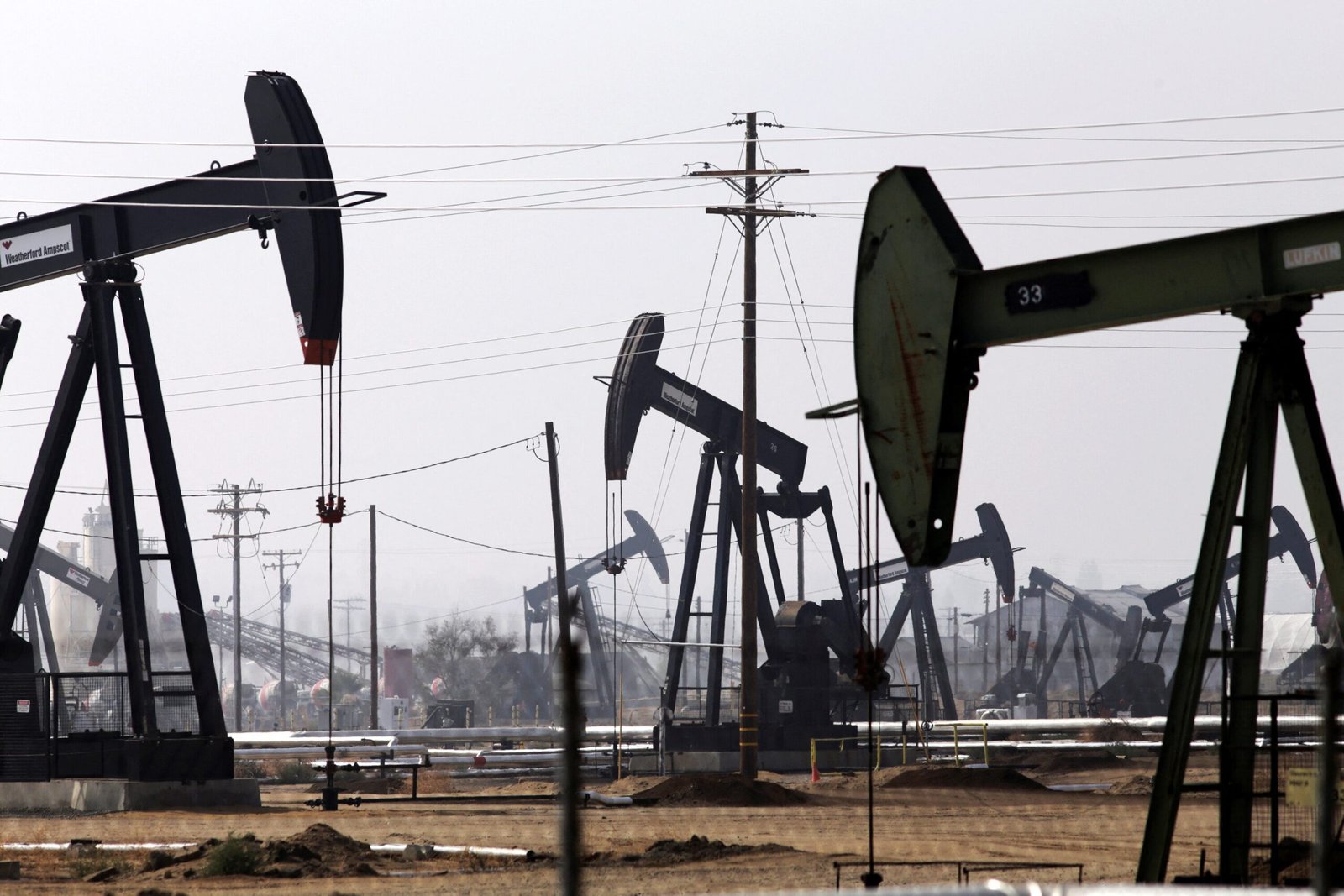

China has imposed tariffs on U.S. energy imports in response to new trade measures enacted by President Donald Trump, leading to a significant shift in the flow of liquefied natural gas (LNG), crude oil, and coal exports. As a result, U.S. energy shipments are now being redirected to alternative markets, primarily in Europe and India, while China explores other suppliers.
Impact on Energy Trade
One of Trump’s initial actions after taking office was implementing additional tariffs on Chinese imports. In retaliation, China targeted U.S. energy commodities, prompting immediate consequences in global trade patterns.
Chinese traders have begun rerouting LNG cargoes to Europe, where demand has surged due to a harsh winter. Meanwhile, U.S. crude oil exports to China face a 10% tariff, making them less competitive. However, coal exports appear to be the most affected sector.
Coal Trade Shifts
While the U.S. is widely recognized as a leading oil and gas producer, it is also a key player in the global coal market, exporting to more than 70 countries. In 2023, China was the fifth-largest buyer of U.S. coal, accounting for 6.46% of total exports. By the third quarter of 2024, China had become the second-largest destination for U.S. coal, after India, receiving 3.675 million tons.
With the new tariffs in place, China is expected to reduce its U.S. coal imports, instead turning to tariff-free alternatives such as Mongolia and Australia. At the same time, U.S. coal producers are likely to shift more of their exports toward India, their largest customer.
Coking Coal and Market Adjustments
The impact of the tariffs is particularly pronounced in the coking coal sector, which is crucial for steel production. In 2024, U.S. coking coal exports to China surged by 33%, reaching a value of $1.84 billion. However, with higher costs due to tariffs, U.S. coal suppliers may consider offering discounts to retain market share or intensify their focus on India.
Mongolia is already preparing to increase its coal exports to China by 20% this year, targeting a total export capacity of 165 million tons. Russia, another potential supplier, faces challenges due to high production costs and railway capacity constraints, which have limited its ability to expand coal shipments to China.
Global Coal Market Reshaping
As China reduces its reliance on U.S. coal, other suppliers stand to benefit. Canada and Australia are well-positioned to fill the gap, potentially reshaping the global coking coal market. While Australia looks to regain its previous market share in China, the U.S. will likely focus on strengthening its coal trade with India, leading to a broader shift in global energy trade dynamics.
