


Four Life Sentences for Shocking 2022 Killings Linked to Online Gaming Addiction
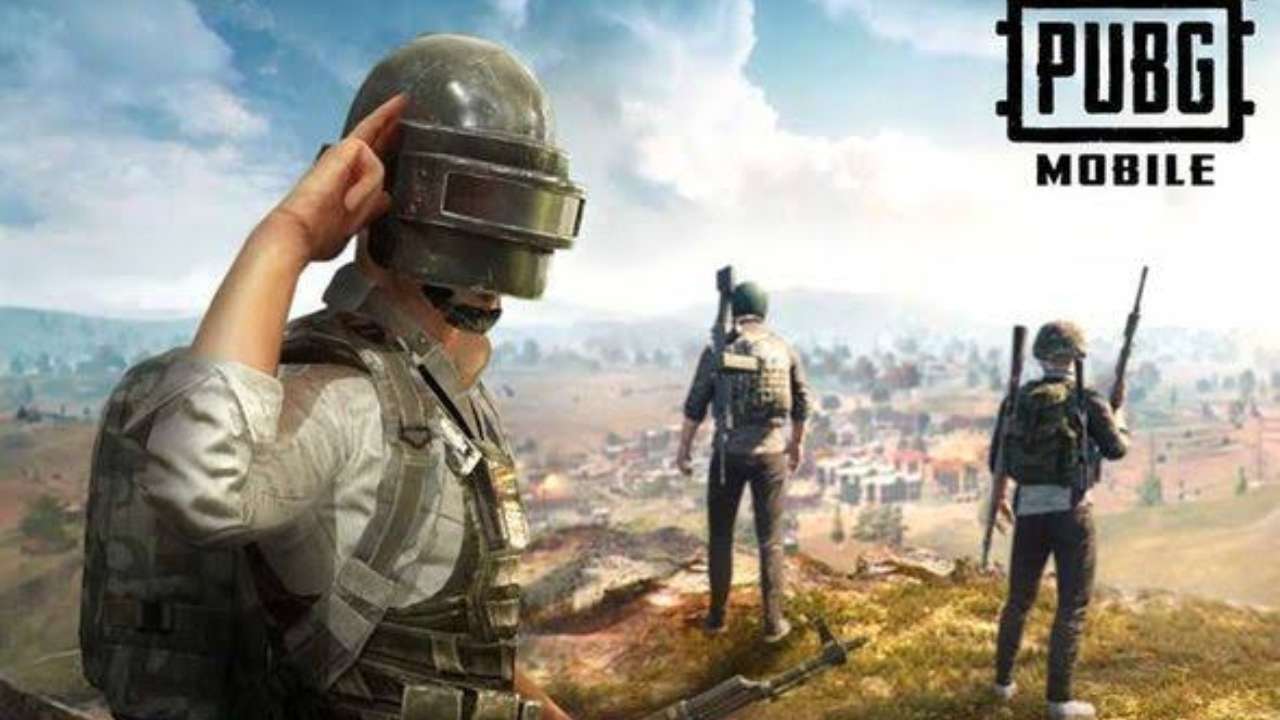
In a chilling case that shocked the nation, a Lahore sessions court has sentenced teenage convict Ali Zain to 100 years in prison for murdering his mother, two sisters, and elder brother in 2022. The brutal act was reportedly triggered by frustration after failing to achieve targets in the popular online game PUBG (PlayerUnknown’s Battlegrounds).
Additional Sessions Judge Riaz Ahmed handed down four life sentences to Zain, along with a fine of Rs4 million. The court noted his age—14 at the time of the crime—as a mitigating factor, sparing him the death penalty.
The tragic incident occurred in Kahna, Lahore, where Zain, enraged and psychologically affected by hours of gaming, used his mother’s licensed pistol to commit the killings. He first shot his mother, a lady health worker, while she slept. He then killed his two sisters, 15-year-old Mahnoor Fatima and 10-year-old Jannat, before shooting his 20-year-old brother, Taimoor Sultan, who ran in upon hearing gunshots.
Teen Tried to Cover Up Crime; Police Cite PUBG’s Psychological Toll
According to investigators, Zain tried to stage the crime scene by discarding the weapon in a nearby drain and pretending to be asleep when police arrived. However, blood stains and his suspicious behavior led officers to question him further. After detailed interrogation, he confessed to the premeditated killings.
Senior police officials described Zain as a habitual PUBG player who spent most of his time isolated in his room. On the day of the murders, he had played for several hours without success, which reportedly pushed him into a violent rage.
This was not the first PUBG-related crime in Lahore. Police confirmed this was the fourth major incident involving teenagers and the game, with earlier cases linked to suicide and violent behavior.
In 2020, then-Lahore CCPO Zulfiqar Hameed had even recommended banning PUBG, warning of its damaging psychological effects on young players. Despite national debate, the game remains available, raising concerns among parents, educators, and mental health experts.
