

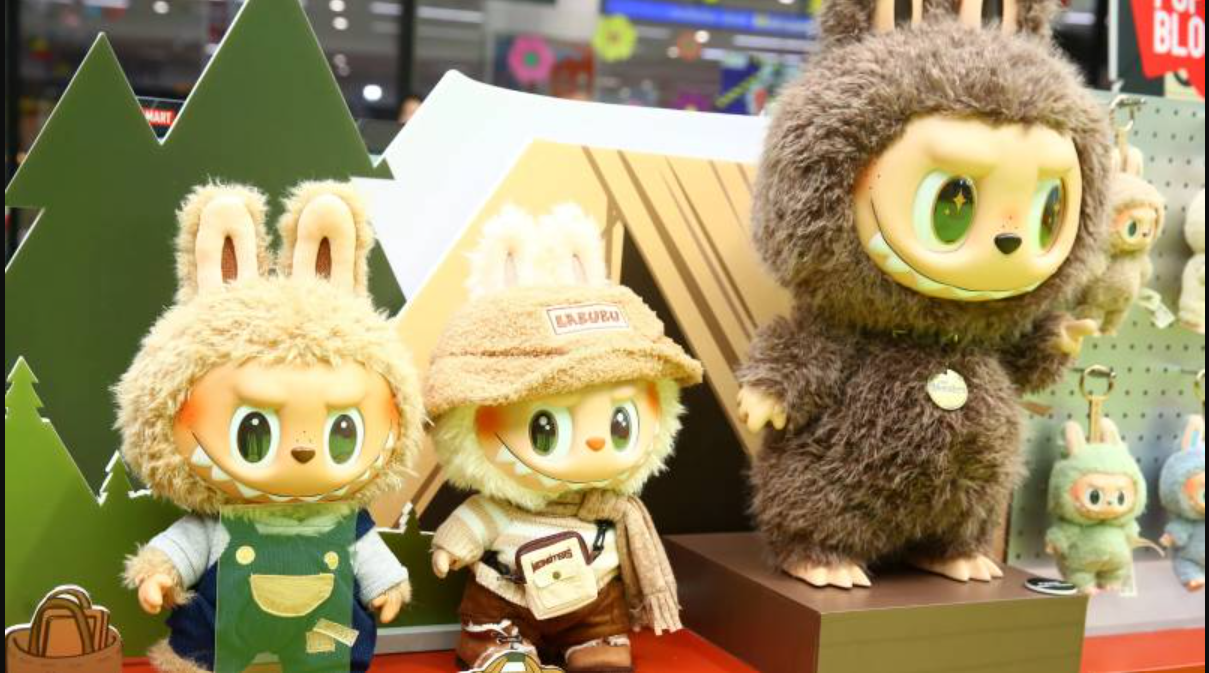

The Labubu doll has become a global obsession in 2025, transforming from a niche character into a viral fashion and lifestyle statement. Originally created by Hong Kong-born artist Kasing Lung, the Labubu doll began as part of a storybook series inspired by Nordic folklore. With sharp teeth, wide eyes, and a furry body, the Labubu doll embodies an “ugly-cute” aesthetic that now defines a new wave of collectibles.
The Labubu doll made its debut in 2015 through Kasing Lung’s book series The Monsters. Influenced by Scandinavian forest spirits, Lung crafted Labubu as a kind-hearted yet naughty elf. Pop Mart, a Beijing-based toy company, saw its potential and partnered with Lung in 2019. Their collaboration resulted in the launch of the Exciting Macaron series in 2023. By 2025, over 300 Labubu doll versions had entered the market, ranging from $15 blind box figures to a life-sized doll auctioned for $170,000.
The Labubu doll rose to global fame after BLACKPINK’s Lisa flaunted one on her Louis Vuitton bag in 2024. Sales soared, especially in Southeast Asia. Other celebrities like Rihanna, Kim Kardashian, and Dua Lipa soon followed, turning the Labubu doll into a status symbol. Social media platforms like TikTok and Instagram boosted this rise, with the hashtag #Labubu generating over a million posts and weekly unboxing videos gaining millions of views. The “kidulting” trend and desire for nostalgic comfort also fueled the demand.
A key to the Labubu doll phenomenon lies in its strategic marketing. Pop Mart’s use of blind box packaging introduces scarcity and excitement, offering only a 1-in-72 chance to discover rare designs. This model has driven resale values into the thousands and prompted fans to line up overnight for releases. Each Labubu doll is backed by a unique story—like Pirate Labubu or Astronaut Labubu—connecting emotionally with fans and creating a loyal collector base.
Pop Mart has also embraced community engagement. Events like the Labubu fashion show in New York attracted massive attention. Collaborations with brands like Coca-Cola, One Piece, and RAVIPA jewelry helped expand the Labubu doll into pop culture. Regional adaptations, such as dolls dressed in local attire or linked to cultural beliefs, have helped personalize its appeal. For example, in Thailand, the Labubu doll is seen as a lucky charm.
Despite its success, the Labubu doll has not escaped controversy. Iraq’s Kurdistan Region banned its sale, citing child behavior concerns. In Russia, officials objected to the doll’s design. A bizarre online theory linking the Labubu doll to ancient demonic figures spread misinformation, but experts dismissed such claims. The rise of counterfeit “Lafufu” dolls added another challenge, yet some collectors embraced these offbeat versions.
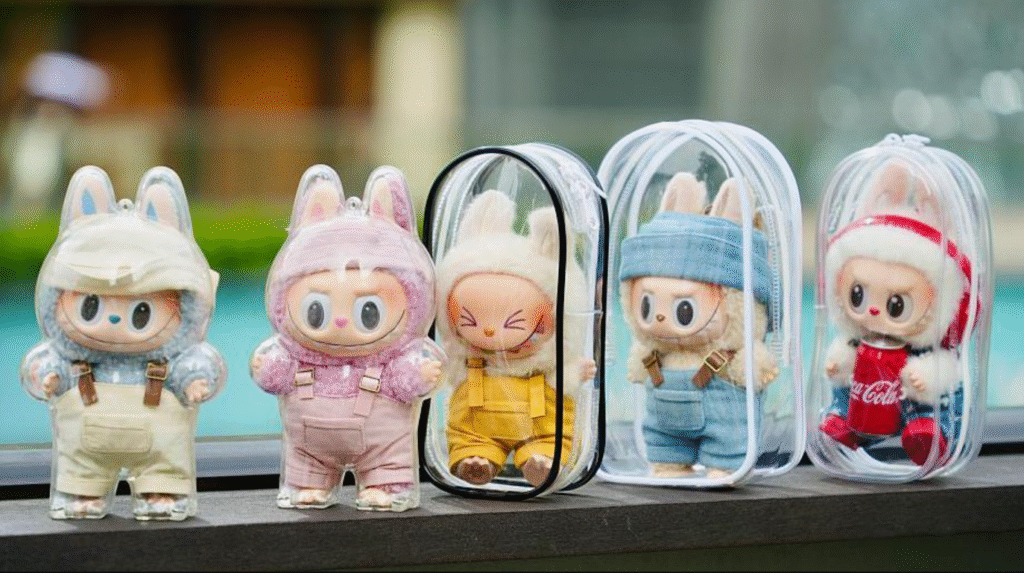
Pop Mart is now preparing to further scale the Labubu doll empire. An upcoming 156-episode anime and themed vending machines are in the works. As Google rewards engaging multimedia content, these initiatives ensure that the Labubu doll stays relevant in an ever-evolving digital world. However, to maintain its status, Pop Mart must balance exclusivity with accessibility, ensuring it doesn’t become another passing trend like fidget spinners or Stanley cups.
Ultimately, the Labubu doll is more than a plush toy, it’s a marketing marvel, cultural icon, and a case study in emotional branding. Its global success underscores how strategic storytelling, influencer power, and social media can transform a fictional creature into a multimillion-dollar phenomenon.
