

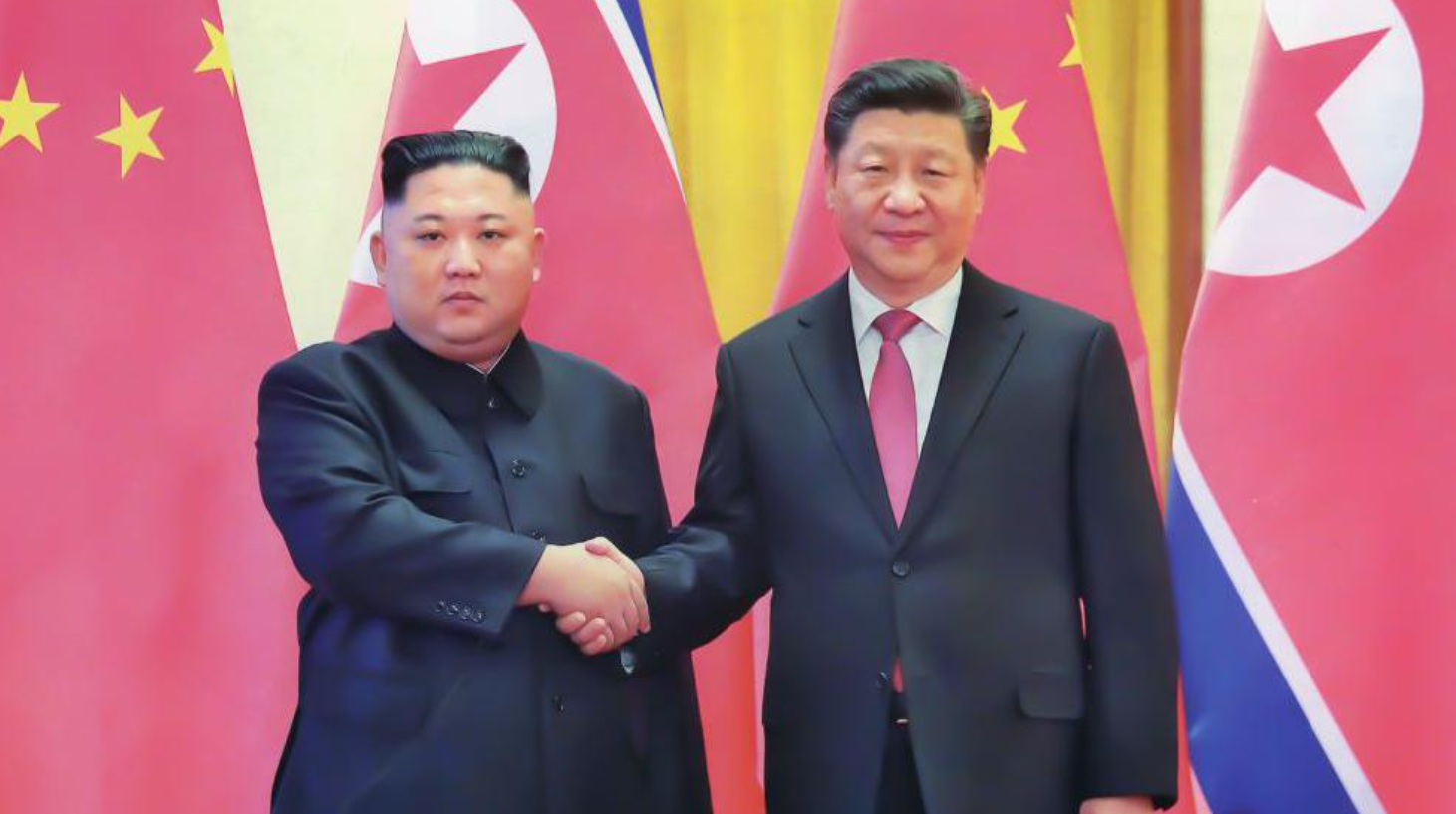

North Korean leader Kim Jong Un is set to make a rare international appearance in Beijing next week. He will attend China’s Victory Day military parade, marking the 80th anniversary of the end of World War II and China’s victory over Japan. His presence underscores Pyongyang’s alignment with both China and Russia during a time of heightened geopolitical tensions.
Kim Jong Un’s First Major Global Appearance in Years
This will be Kim’s first significant international outing in several years. The event will be attended by Chinese President Xi Jinping and Russian President Vladimir Putin, making it a symbolic gathering of three key powers. In 2015, North Korea was represented by senior official Choe Ryong-hae, but Kim’s participation this year elevates the diplomatic importance of the occasion.
Beijing has praised its long-standing “traditional friendship” with Pyongyang. Both countries continue to emphasize cooperation on regional stability and mutual support. By placing Kim alongside Putin and Xi, China highlights its role as a central player in shaping the strategic landscape of East Asia.
China’s Military Power on Display
The Victory Day parade will be a large-scale military showcase in Tiananmen Square. Tens of thousands of personnel from 45 echelons, along with war veterans, are expected to participate. The event will last 70 minutes and feature advanced weaponry, including tanks, aircraft, and anti-drone systems. Analysts believe this is the first time China will reveal the full force structure of its modernized military.
Western defense experts will closely monitor the demonstration. For China, the parade is not only a domestic display of strength but also a signal to the international community about its military capabilities.
Diplomatic Stakes and Global Reactions
The timing of the event carries significant diplomatic weight. U.S. President Donald Trump has shown interest in engaging Kim Jong Un while also pursuing discussions with Vladimir Putin over Ukraine. Hosting both leaders allows China to reinforce its position as a power broker in global affairs.
Attention also turns to South Korea’s President Lee Jae Myung, who has been invited to the parade. If he attends, this could be the first chance for direct interaction with Kim since 2019. However, North Korea has been critical of Lee’s engagement efforts, making any potential meeting diplomatically sensitive.
Western leaders are largely expected to skip the celebrations. Tensions with Russia over the war in Ukraine, along with concerns about anti-Japanese sentiment tied to the anniversary, are influencing decisions. Japan has reportedly discouraged attendance, viewing the parade’s narrative as politically charged.
Strategic Implications
Kim Jong Un’s presence alongside Xi and Putin sends a clear message of unity among China, Russia, and North Korea. The gathering reflects deepening ties among the three nations, each seeking to counterbalance Western influence in Asia and beyond. For Pyongyang, this appearance offers rare global visibility and a reaffirmation of its alliances.
As Beijing showcases its growing military might, the event also illustrates how historical anniversaries can be leveraged for modern diplomacy. The Victory Day parade is not only about commemorating the past, it is about signaling future alignments in an increasingly polarized world.
