

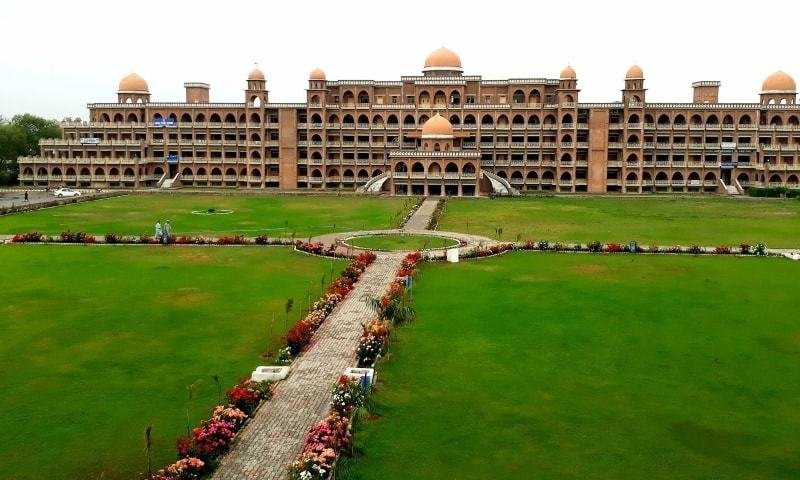

PESHAWAR/ISLAMABAD: Khyber Pakhtunkhwa’s largest university is facing a serious crisis. The University of Peshawar is closing its nine BS departments from the fall semester of 2025. The administration cited extremely low enrollment numbers as the key reason for the move. The discontinued programs include Development Studies, Geography, Geology, History, Social Anthropology, Statistics, Logistics and Supply Chain Analytics, Human Development and Family Studies, and Home Economics.
The university requires at least 15 students to continue admissions in any program. However, numbers fell far below that benchmark during the latest intake cycle. Only one student applied for BS Human Development and Family Studies. Two students each applied for Development Studies, Logistics and Supply Chain Analytics, and Home Economics. Additionally, three candidates applied for Geography and History. Social Anthropology received only five applicants. Statistics enrolled seven students, while Geology attracted 14.
Therefore, the administration issued a formal notification to discontinue the disciplines. It directed departments to guide affected students toward alternative study options through the Director of Admissions.
Experts Cite Outdated Courses and Poor Planning
Academicians believe the crisis reflects outdated academic planning. They say several university programmes struggled with relevance and marketing. Some well-known departments — including mathematics, chemistry, Urdu, and journalism — also faced disappointing admissions this year.
Meanwhile, fields like pharmacy, English, psychology, computer science, law, international relations, and management sciences continue attracting enough students. A university spokesperson said students prefer degrees with strong job prospects, particularly in allied health sciences and technology. Consequently, traditional humanities subjects face declining interest.
Provincial Challenges Deepen Enrollment Crisis
Experts also point to province-wide issues. Academic analyst Yousaf Ali said universities and colleges offer identical BS programmes without proper planning. However, fees differ sharply. A BS degree at UoP can cost about Rs150,000 per year, compared to nearly Rs14,000 at public colleges. He argued that UoP’s financial troubles force frequent fee hikes, pushing students away.
Moreover, Khyber Pakhtunkhwa now has 44 universities and about 1,000 colleges. Ali warned that fragmented admissions and outdated curricula threaten the future of many programmes. He urged authorities to overhaul the BS system to restore student confidence.
