
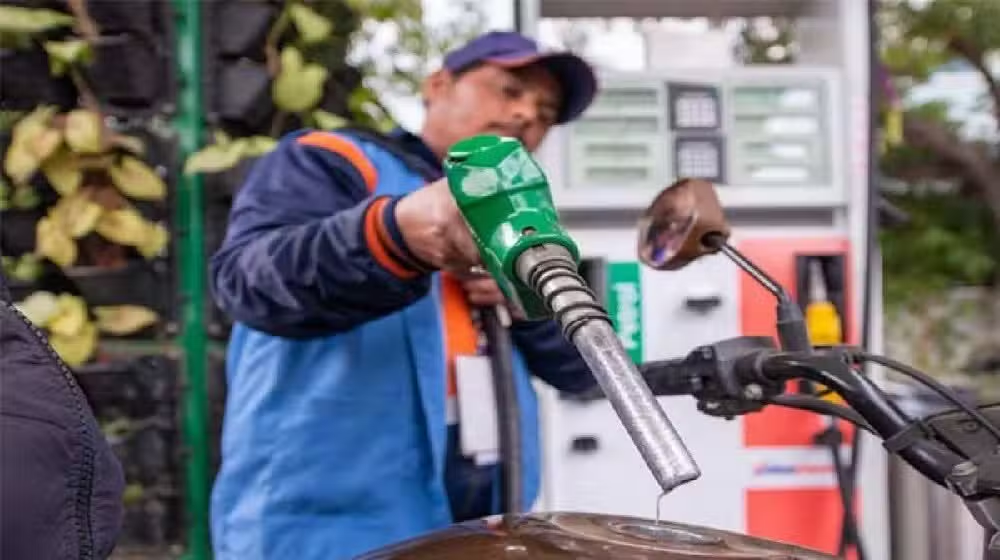

Pakistan has increased the price of kerosene oil while keeping petrol and diesel rates unchanged. The move comes amid rising global oil prices and growing economic pressure.
According to the Petroleum Division, kerosene prices have been raised by Rs4.66 per litre. The new price now stands at Rs433.40 per litre. The revised rate took effect on March 28.
In contrast, petrol and diesel prices remain unchanged. Petrol is priced at Rs321.17 per litre. Diesel continues at Rs335.86 per litre. The decision aims to reduce the burden on consumers facing inflation.
Officials said the government is absorbing part of the cost. This step is meant to shield the public from international market shocks.
Government Absorbs Costs to Protect Consumers
The government has decided to maintain petrol and diesel prices despite global increases. Authorities say this will help control inflation and ease pressure on households.
Under the Petroleum Development Cess, oil marketing companies will receive compensation. The government will pay Rs95.59 per litre on petrol. It will also pay Rs203.88 per litre on diesel.
This subsidy reflects the government’s strategy to stabilize fuel prices. However, it also increases fiscal pressure. Managing these costs will remain a key challenge.
Earlier in the week, kerosene had already seen a sharp rise. On March 21, its price reached Rs428.74 per litre. The latest increase continues that upward trend.
PM Shehbaz Rejects Major Fuel Price Hike
Prime Minister Shehbaz Sharif played a key role in the decision. He rejected a proposal to sharply increase petrol and diesel prices.
The summary had suggested raising petrol by Rs95 per litre. Diesel was proposed to increase by Rs203 per litre. The prime minister declined the plan to protect consumers.
In a televised address, he said the government will bear the financial burden. The estimated cost of this decision is around Rs56 billion.
He stressed that public relief remains a top priority. The move is aimed at preventing further inflationary pressure.
Global Oil Trends and Regional Tensions Impact Prices
Fuel prices in Pakistan are closely linked to global markets. Rising oil prices worldwide have increased pressure on domestic pricing.
Geopolitical tensions in the Middle East are also affecting energy markets. These developments have made fuel pricing more volatile.
Consumers and businesses are already feeling the impact. Transport costs and electricity generation are affected by fuel prices.
The government is also focusing on diplomacy to ease regional tensions. Deputy Prime Minister Ishaq Dar is leading talks with regional countries. These efforts aim to promote stability and reduce economic risks.
Officials say Pakistan is actively engaging with key partners. The goal is to ensure energy security and economic stability.
The latest price decision highlights the balancing act faced by policymakers. They must manage fiscal costs while protecting citizens. Fuel pricing will remain a key issue in the coming weeks.

