

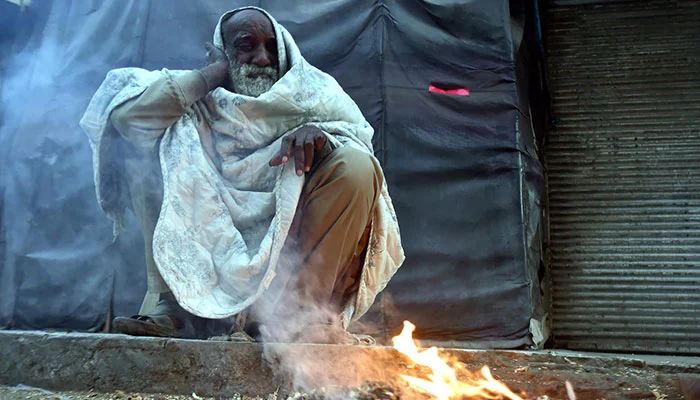

Karachi is experiencing an unusual winter chill as temperatures in the city have dropped to single digits, signaling the arrival of a short-lived cold spell for residents who are accustomed to warmer conditions throughout most of the year. According to the Pakistan Meteorological Department (PMD), the mercury at Karachi’s Jinnah Terminal and nearby areas was recorded at 8.9°C, highlighting the significant dip in temperature.
The PMD forecast indicates that the weather in Karachi will remain dry and cool during the night over the next 24 hours. Humidity levels currently stand at 42%, with daytime temperatures expected to rise to a maximum of 28°C. Cool winds from the northeast, blowing at approximately three kilometres per hour, are contributing to the chilly conditions, while the minimum temperature in certain areas was recorded at 12.5°C.
Residents are advised to take precautions, particularly the elderly and children, as the cold may pose health risks for those unaccustomed to such weather. The sudden drop in temperature has prompted many locals to wear warm clothing and adjust daily routines to cope with the chilly mornings and evenings.
Meanwhile, in Quetta and surrounding areas, the weather has turned extremely cold and dry, with temperatures falling below the freezing point.
The Balochistan capital reported a low of -6°C, while Kalat and Ziarat experienced even harsher conditions, with mercury dipping to -7°C. The frigid temperatures in these northern regions are accompanied by dry weather, making it one of the coldest spells of the season so far.
Authorities and the PMD have urged citizens to remain vigilant and take necessary precautions during this cold wave, particularly in regions prone to frost and freezing temperatures.
The brief winter chill in Karachi, contrasted with severe cold in Quetta and other parts of Balochistan, underscores the diverse climatic conditions across Pakistan, where some areas face harsh winters while others experience mild cold spells. Residents are encouraged to stay updated on weather alerts to ensure safety and preparedness during this seasonal transition.
