
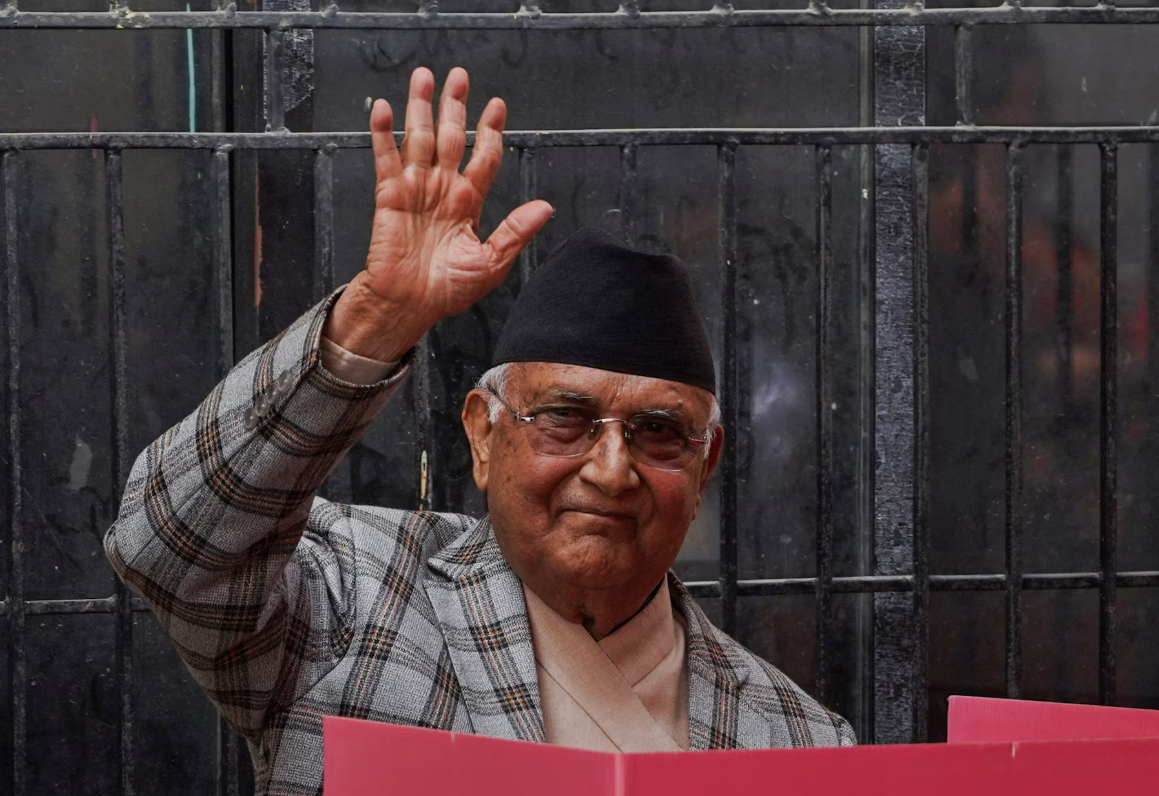

A government-appointed investigation panel in Nepal has recommended prosecuting former Prime Minister K.P. Sharma Oli over violence linked to anti-corruption protests last year. The panel concluded that leadership failures contributed to deadly unrest during demonstrations largely driven by young protesters.
The findings followed months of inquiry into clashes that shook the Himalayan nation and eventually led to political upheaval. According to the report, authorities failed to act decisively despite escalating tensions on the streets.
Protest Violence Leaves Dozens Dead
The protests began as anti-corruption demonstrations led mainly by Gen Z participants demanding accountability and reforms. However, the situation quickly turned violent during the first day of unrest.
Investigators stated that hours of firing resulted in at least 19 deaths on the opening day alone. The panel concluded that timely intervention could have prevented significant loss of life.
Over two days, violence claimed 76 lives and left 2,522 people injured. Earlier official figures had placed the death toll at 77, showing only a minor discrepancy with the panel’s assessment.
Moreover, widespread injuries reflected the intensity of confrontations between protesters and security forces.
Report Holds Leadership Responsible
The 970-page report argued that the former prime minister bore responsibility as the country’s executive head. Investigators stressed that national leadership carries accountability for both successes and failures during crises.
According to the panel, Oli did not take adequate measures to halt the firing or de-escalate tensions. Consequently, the report described his inaction as negligence rather than a direct operational decision.
Officials emphasized that strong leadership responses remain essential during public unrest. Therefore, delayed action significantly worsened the outcome, the panel concluded.
Other Senior Officials Also Named
The investigation did not focus solely on the former prime minister. It also recommended legal proceedings against the then home minister, Ramesh Lekhak, and former police chief Chandra Kuber Khapung.
The panel stated that both officials shared responsibility for failing to control the situation effectively. Authorities believe coordination gaps between political leadership and law enforcement contributed to prolonged violence.
Furthermore, investigators argued that crisis management structures failed at multiple levels during the demonstrations.
Political Fallout and Public Expectations
The protests ultimately brought down the government, marking one of Nepal’s most turbulent political moments in recent years. Young demonstrators had demanded transparency, accountability, and institutional reform.
Now, the panel’s recommendations may shape the next phase of political and legal developments. While prosecution decisions remain pending, public attention has shifted toward accountability.
Many citizens expect legal institutions to examine the findings carefully. At the same time, political observers note that such cases often test democratic systems and rule-of-law principles.
What Comes Next?
The report’s release has intensified debate over leadership responsibility during national crises. Authorities must now decide whether to proceed with prosecutions based on the panel’s conclusions.
Meanwhile, families of victims continue to seek justice and closure. Their demands underline the broader question raised by the investigation: how governments should respond when peaceful protests turn deadly.
As Nepal moves forward, the outcome of this case could influence future protest management and political accountability across the country.

