

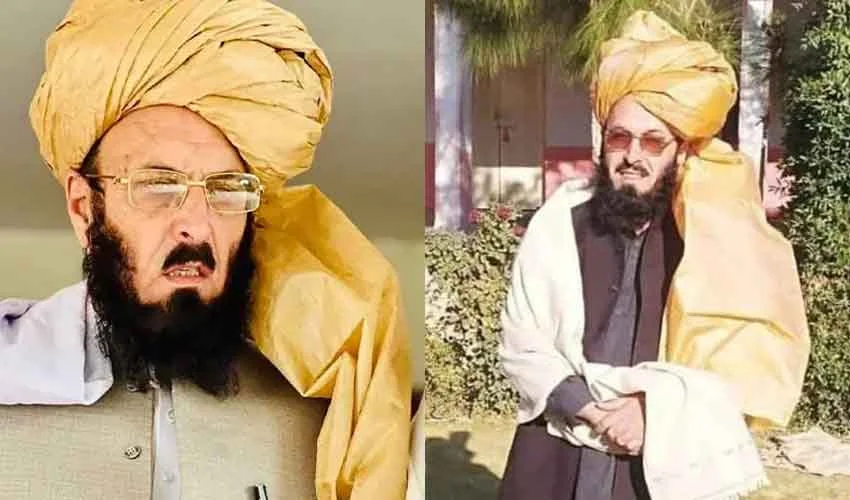

Deadly Blast in Wana Shocks Local Community
A deadly improvised explosive device (IED) attack in South Waziristan has claimed the life of senior Jamiat Ulema-e-Islam (JUI-F) leader and respected religious scholar, Maulana Hafiz Sultan Muhammad. The attack took place in Wana, a key town in the tribal district, and has sparked widespread condemnation across Pakistan.
According to initial reports, the IED targeted Maulana Sultan Muhammad while he was traveling with his family. The powerful explosion critically injured him and also wounded his young daughter. He was rushed for medical treatment but later succumbed to his injuries. His daughter remains injured and is receiving medical care.
The attack has deeply shaken residents of the area. Local people described Maulana Sultan Muhammad as a peaceful religious figure who was actively involved in community welfare and religious education. His killing has reignited fears about rising militant violence in the region.
Security sources believe the attack was carefully planned. Reports suggest that foreign terrorists were involved in the bombing. Authorities have launched an investigation to identify those responsible and determine how the explosive device was planted.
Pakistan Ulema Council Condemns Terror Attack
The Pakistan Ulema Council strongly condemned the killing of Maulana Hafiz Sultan Muhammad. The council described the attack as a direct assault on peace, religion, and humanity. Religious leaders across the country expressed deep grief over the loss of a prominent scholar.
Pakistan Ulema Council Chairman Hafiz Tahir Ashrafi said terrorists are targeting every Pakistani without discrimination. He stated that such attacks are meant to create fear and instability. He added that the killing of religious scholars and civilians shows the true face of extremist violence.
Hafiz Tahir Ashrafi emphasized that terrorism has no religion. He urged unity among religious scholars, political leaders, and citizens to confront extremism. He also prayed for the speedy recovery of Maulana Sultan Muhammad’s injured daughter.
Several political and religious parties also issued condemnation statements. They called for immediate action against militant networks operating in tribal districts. Many demanded improved security measures for religious leaders and public figures.
Renewed Concerns Over Militant Violence in Tribal Areas
The IED attack has once again highlighted security challenges in South Waziristan. Despite repeated military operations and counterterrorism efforts, militant attacks continue to occur in parts of Khyber Pakhtunkhwa.
Residents say religious scholars have increasingly become targets. They warn that such attacks damage social harmony and spread fear among ordinary citizens. Community elders have urged the government to strengthen intelligence operations and increase patrols in sensitive areas.
Analysts believe that attacks like this aim to silence voices that promote peace and unity. They stress that eliminating terrorism requires a combined effort involving law enforcement, community support, and political stability.
Religious leaders stressed that violence against scholars and families will not weaken Pakistan’s resolve. They said the nation has sacrificed greatly in the fight against terrorism and will continue to stand firm.
As investigations continue, authorities have assured the public that those responsible will be brought to justice. Security has been tightened in Wana and surrounding areas to prevent further incidents.
