
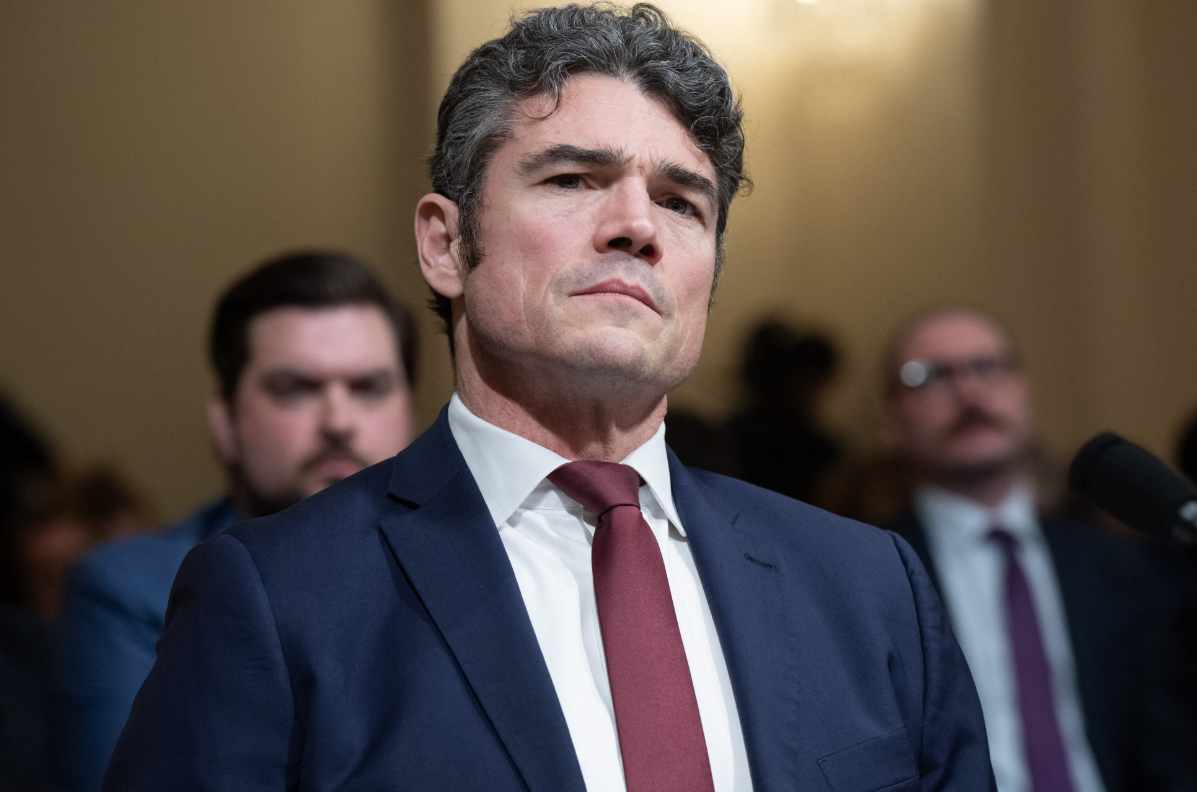

Former US national security official Joe Kent has warned against deploying American ground troops in Iran.
He argued that deeper involvement could drag Washington into a prolonged and dangerous conflict. His remarks come amid growing tensions linked to the ongoing Iran crisis.
Kent expressed concern about narratives shaping policy discussions in Washington. According to him, decision-makers must carefully evaluate information before committing military forces. He emphasized that military escalation often begins gradually but carries long-term consequences.
Moreover, he suggested that emotional reactions during conflicts can influence strategic decisions.
Therefore, policymakers should prioritize caution and diplomacy over rapid military commitments.
Criticism of Strategic Pressure Narratives
Kent criticized what he described as a “pro-Israel echo chamber” influencing political debate. He claimed certain voices were encouraging stronger US military involvement in regional conflicts. As a result, he warned that America could face pressure to deploy ground forces.
He further alleged that strategic messaging may attempt to shape public opinion toward intervention. Consequently, he urged leaders to separate verified intelligence from persuasive political narratives.
Kent argued that past conflicts demonstrate how public messaging can accelerate military decisions. He referenced concerns about repeating mistakes associated with earlier wars. Therefore, he advised policymakers to remain skeptical of emotionally charged arguments supporting escalation.
Warning Against “Iraq War-Level” Propaganda Risks
A central part of Kent’s statement focused on information credibility during wartime discussions. He cautioned against what he described as propaganda resembling narratives seen before the Iraq War.
According to Kent, exaggerated threats or selective information can distort policy judgment. Because of this, leaders must rely on balanced intelligence assessments. He stressed that inaccurate assumptions may lead to costly military engagements.
Furthermore, he encouraged transparent debate within government institutions. Open discussion, he argued, reduces the risk of strategic miscalculations. In contrast, limited debate can push countries toward irreversible decisions.
Message Directed Toward US Leadership
Kent’s comments appeared aimed at senior American political leadership considering future policy options.
He urged restraint when evaluating military responses related to Iran.
Additionally, he highlighted the importance of weighing diplomatic alternatives before military action.
He suggested that deploying troops would significantly expand US involvement beyond current levels.
Such escalation, he warned, could reshape regional dynamics and increase instability.
Therefore, careful planning and strategic patience remain essential.
Kent also emphasized that long conflicts often produce unintended humanitarian and economic consequences.
For this reason, he encouraged leaders to consider long-term outcomes rather than short-term political gains.
Broader Debate Over America’s Role in Middle East Conflicts
The discussion reflects a wider debate about America’s global military posture.
Many analysts continue questioning how deeply the United States should engage in overseas conflicts.
Supporters of restraint argue diplomacy reduces risks associated with prolonged wars.
Meanwhile, advocates of stronger intervention believe military pressure can deter adversaries.
However, Kent’s warning highlights growing concern about repeating historical patterns.
He stressed that every conflict requires independent evaluation rather than reliance on past strategies.
Additionally, he noted that modern conflicts involve complex alliances and unpredictable consequences.
Because of this complexity, decisions involving troop deployment demand exceptional scrutiny.
Calls for Caution and Strategic Balance
Ultimately, Kent’s message centered on caution rather than isolationism. He did not reject engagement entirely but opposed rapid escalation involving ground troops. Instead, he promoted measured responses supported by credible intelligence and diplomatic dialogue.
He concluded that responsible leadership requires resisting pressure driven by fear or political momentum. Careful analysis, he argued, remains the strongest safeguard against unnecessary wars.
As tensions surrounding Iran continue, debates over military involvement are likely to intensify. Kent’s warning adds another voice urging policymakers to avoid decisions that could reshape global stability for decades.

