

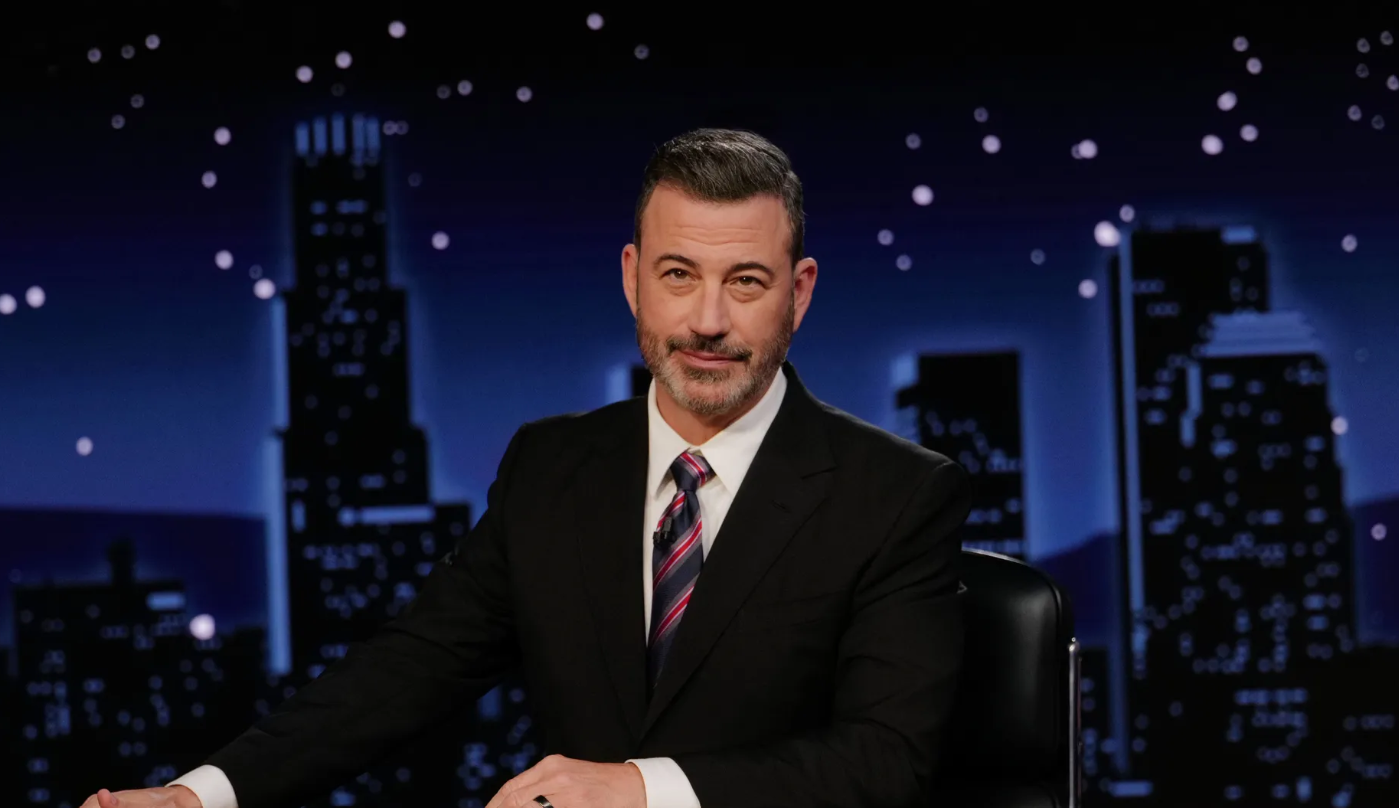

Jimmy Kimmel has returned to late-night television, defending free speech and warning against political pressure after facing backlash for remarks connected to the murder of conservative activist Charlie Kirk. The host addressed viewers emotionally, stressing that his intent was never to mock a tragedy or assign blame to a particular group.
During his first monologue since returning, Kimmel said, “It was never my intention to make light of the murder of a young man. Nor was it my intention to blame any specific group for the actions of what was clearly a deeply disturbed individual.” His comments came after Walt Disney, the parent company of ABC, suspended his show on September 17 following his earlier remarks.
Kimmel had previously criticized President Donald Trump’s supporters for attempting to portray Kirk’s alleged killer as unrelated to their movement, accusing them of using the tragedy for political advantage. His remarks, made five days after Kirk’s death at Utah Valley University, sparked outrage among Trump allies and the administration.
Before Kimmel’s return episode aired, Trump expressed anger, posting on Truth Social that he “couldn’t believe” ABC allowed Kimmel back on air. He accused the comedian of pushing “99% Democrat garbage” and suggested ABC’s decision could amount to an illegal campaign contribution. Trump also hinted at possible legal and regulatory action against the network.
The Federal Communications Commission (FCC) joined the controversy, with Chairman Brendan Carr threatening an investigation into Kimmel’s show. He urged broadcasters to drop the program or risk penalties, including potential fines or license revocations. Despite these pressures, Disney reinstated Kimmel less than a week later, marking a rare act of defiance against Trump’s increasingly aggressive tactics toward media outlets and critics.
However, the fallout has not fully subsided. Major affiliate station groups, including Nexstar Media Group and Sinclair, have continued to boycott the program, leaving Kimmel’s future on local stations uncertain.
On his return, Kimmel broadened his remarks to highlight concerns about press freedom in the United States. “Trump is not just after comedians he dislikes, he’s also targeting journalists,” Kimmel said. “He’s suing them, he’s bullying them. And while muzzling a comedian grabs attention, the real threat is to free press.”
He also expressed gratitude for the compassion shown by Erika Kirk, widow of Charlie Kirk, who publicly forgave her husband’s accused killer, a 22-year-old student from Utah. Kimmel described her response as deeply moving and a reminder of resilience even amid tragedy.
As political tensions grow, Kimmel’s return underscores a broader battle between free speech, political satire, and government influence on media. His defense of press freedom reflects concerns that political pressure could erode democratic values in America’s media landscape.
