

Sixth Price Hike in One Month Pushes Costs to Record Levels
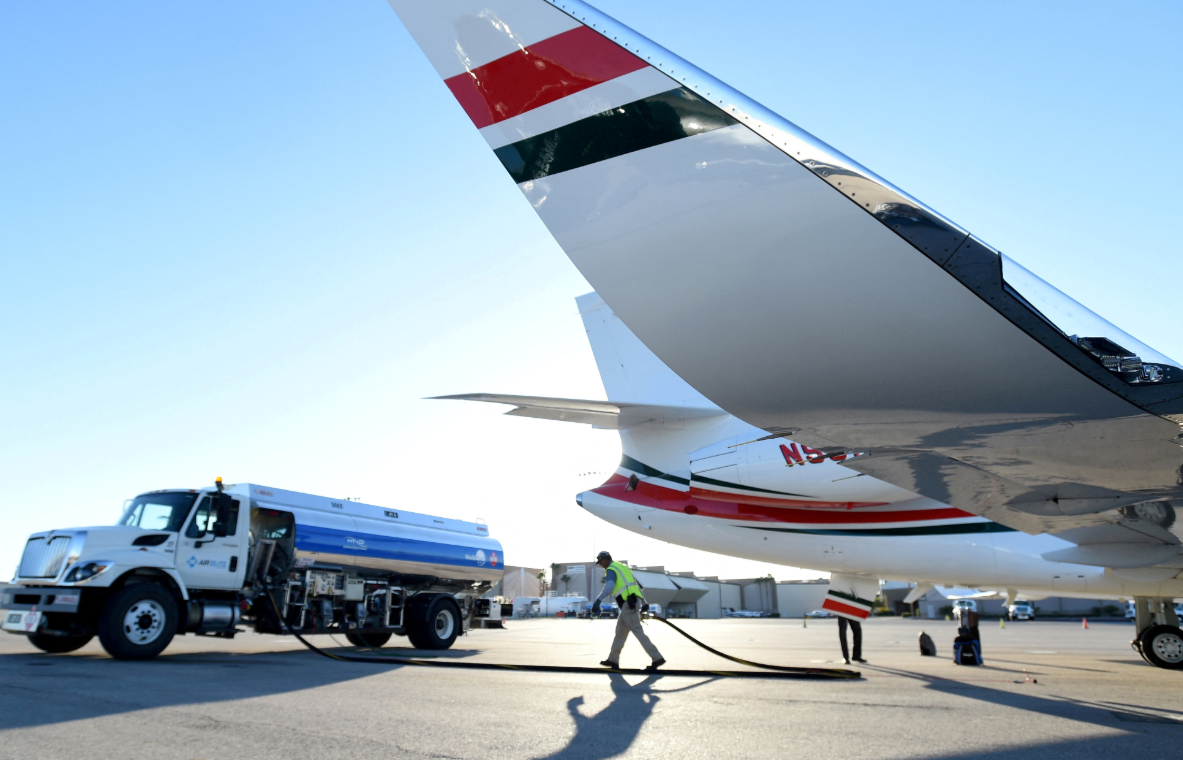
Jet fuel prices in Pakistan have increased again, creating fresh pressure on the aviation sector. According to aviation sources, the price of Jet A-1 fuel has risen by Rs40 per litre. As a result, the new rate now stands at Rs517.17 per litre.
This latest increase marks the sixth hike within a single month. Since March 1, jet fuel prices have surged by a massive Rs329.17 per litre. Therefore, airlines are facing rapidly rising operational costs. These continuous increases are making it difficult for carriers to maintain stable pricing.
Experts say fuel is one of the largest expenses for airlines. Consequently, any increase directly affects ticket prices. The current situation highlights growing challenges in Pakistan’s aviation industry.
Airlines Prepare for Fare Increases on Domestic and International Routes
Airlines are expected to pass the increased costs on to passengers. Aviation sources indicate that both domestic and international fares may rise soon. As fuel prices climb, airlines have limited options to absorb the additional burden.
Higher ticket prices could affect travel demand. Many passengers may delay or cancel travel plans due to increased costs. In addition, the aviation sector may see reduced passenger volumes in the coming weeks.
At the same time, airline operators are reviewing their pricing strategies. They aim to balance profitability with customer demand. However, continued fuel hikes could make this task more difficult.
Fuel Shortage Prompts Operational Restrictions for Airlines
The price increase comes amid an ongoing fuel shortage. The Pakistan Airports Authority has extended its Notice to Airmen (NOTAM) until April 15. This notice provides operational guidelines to airlines during the shortage.
According to the advisory, outbound flights from Pakistan must carry reduced fuel loads. Meanwhile, inbound flights are instructed to carry maximum fuel. This strategy aims to manage limited fuel supplies at local airports.
These restrictions may impact flight operations. Airlines could face scheduling challenges and delays. Therefore, passengers are advised to check flight updates before traveling.
Moreover, the combination of rising prices and limited supply is increasing pressure on the aviation sector. Airlines must manage both financial and operational risks. This situation highlights the need for long-term solutions in fuel supply management.
In conclusion, the sharp rise in jet fuel prices is creating serious challenges for Pakistan’s aviation industry. Higher fares, operational limits, and fuel shortages are all affecting the sector. The coming weeks will be crucial in determining how airlines respond to these pressures.

