
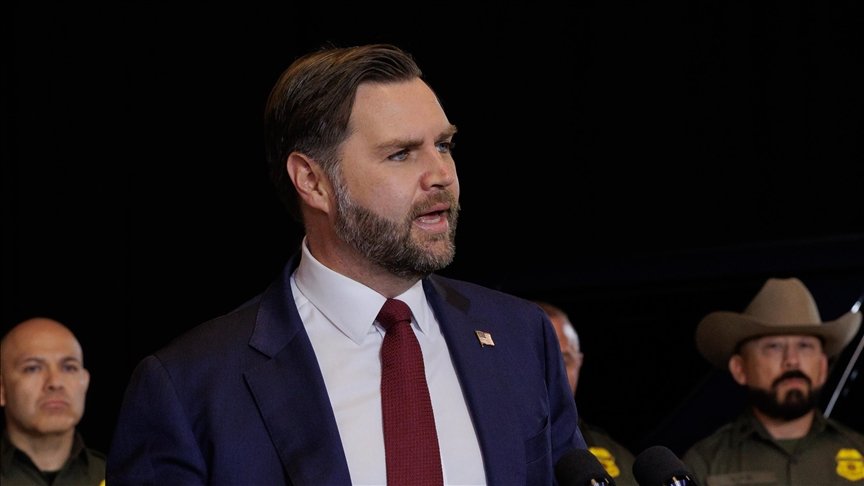

US Vice President JD Vance is taking a central role in Washington’s efforts to negotiate with Iran. The diplomatic push comes as the war approaches its one-month mark. Tensions remain high across the region.
Reports suggest Vance is leading quiet and strategic talks. He is engaging key regional players and maintaining indirect contact with Iranian officials. The goal is to reduce tensions and explore a possible peace deal. However, mistrust between both sides remains a major hurdle.
Backchannel Diplomacy Gains Momentum
Diplomatic communication is increasing through intermediaries. Pakistan is playing a key role in relaying messages between Washington and Tehran. This indirect channel is seen as critical due to the lack of direct talks.
According to reports, Vance has held discussions with Benjamin Netanyahu and consulted Gulf allies. These include United Arab Emirates and Qatar. The focus is on de-escalation and regional stability.
US President Donald Trump has confirmed Vance’s growing role. He said Vance is working with envoy Steve Witkoff and adviser Jared Kushner. Together, they are managing ongoing negotiations.
Officials believe Vance is a strong choice for this role. His opposition to long wars makes him more acceptable to Tehran. One senior official said that if Iran cannot agree with Vance, a deal is unlikely.
Iran Rejects Key US Negotiators
Iran has expressed strong distrust toward US negotiators. Officials in Tehran have rejected further talks with Kushner and Witkoff. They accuse them of bad faith and deception.
Iran claims past negotiations were used as a cover for military planning. This perception has deepened the trust gap. Iranian officials say they have “zero trust” in certain US figures.
Despite this, Vance may still take a larger role if talks move forward. His position is seen as more neutral compared to others. However, success remains uncertain due to ongoing conflict.
Peace Proposals Clash as War Continues
The US recently sent a 15-point proposal to Iran through Pakistan. The plan included strict conditions. These involve halting uranium enrichment and ending missile programs. It also called for reducing support to regional allies.
Iran rejected the proposal and issued its own counteroffer. Tehran demanded an end to US and Israeli attacks. It also asked for guarantees against future wars. Compensation for damages and control over the Strait of Hormuz were also included.
Iran has made its stance clear. It will only end the war on its own terms. It has also ruled out direct talks until its conditions are met.
Deep Mistrust Shadows Negotiation Efforts
The biggest challenge remains trust. Iran believes the US has repeatedly broken commitments. Past incidents have worsened this perception.
During earlier negotiations, US and Israeli forces reportedly struck Iranian nuclear sites. These included facilities at Natanz and Fordow. The attacks happened while talks were ongoing.
Oman had earlier described a breakthrough in nuclear discussions. Iran had agreed to limit uranium stockpiles. However, the war began soon after. This further damaged diplomatic credibility.
Meanwhile, differences between the US and Israel are also visible. Israel has vowed to continue its military campaign. Its goals may not fully align with Washington’s strategy.
Vance is expected to continue diplomatic efforts. Whether direct or indirect, talks may still take place. However, without trust, reaching a lasting agreement will remain difficult.

