

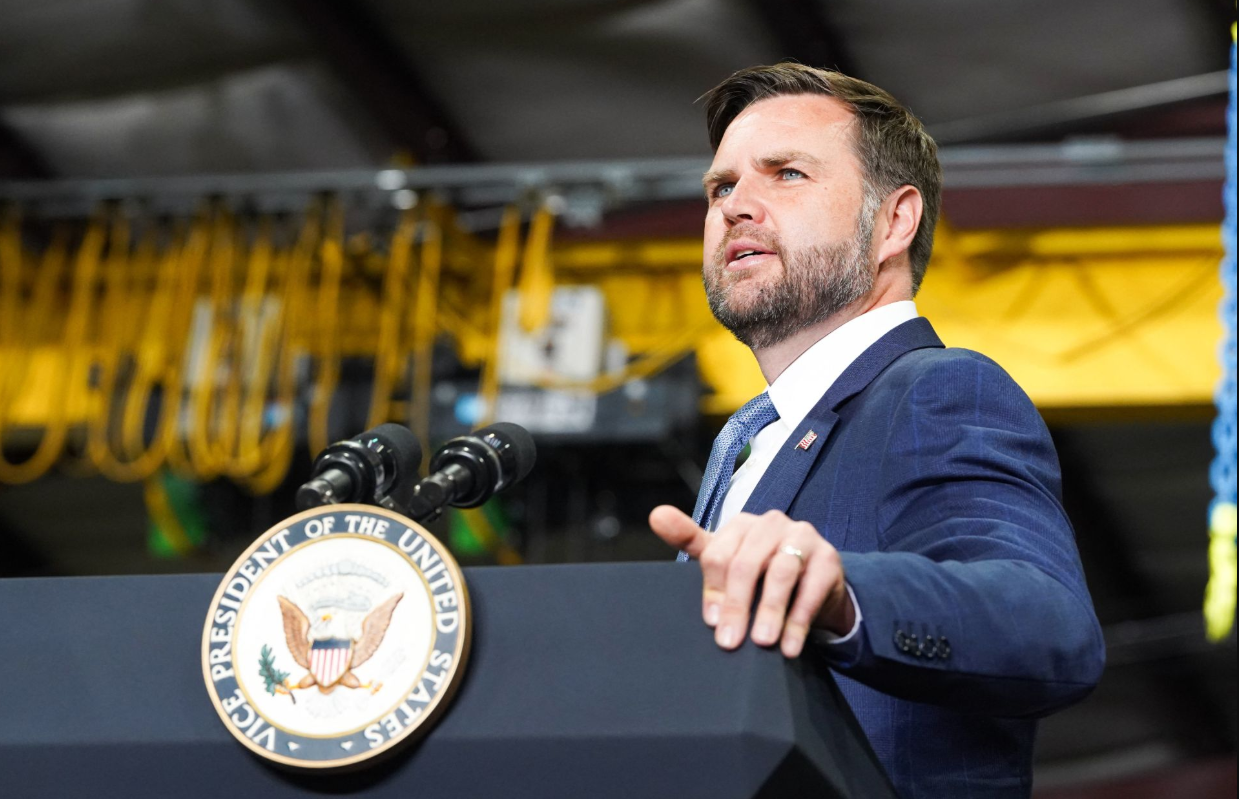

U.S. Vice President JD Vance stated that Russia has made “significant concessions” in ongoing discussions aimed at ending the war in Ukraine. He rejected the notion that Moscow is deliberately slowing down peace negotiations, insisting instead that the diplomatic process is moving forward under former President Donald Trump’s leadership.
During a recent interview, Vance underscored Trump’s “energetic diplomacy” with both Moscow and Kyiv. The former president has been advocating for direct talks between the leaders of Russia and Ukraine. However, the two nations have accused each other of avoiding meaningful negotiations, leaving the conflict unresolved.
Russia’s Position and Shifts in Demands
According to Vance, Russia has accepted that Ukraine will maintain its territorial integrity after the war. However, he did not clarify whether this would include borders as they stood before the 2022 invasion. Additionally, Moscow has reportedly abandoned the idea of installing a puppet government in Kyiv, which was once considered a central demand.
“Have they made every concession? Of course not,” Vance admitted. “But progress is being made, and that matters.”
These remarks mark one of the clearest acknowledgments from Washington that Moscow may be softening its stance. Still, the U.S. vice president emphasized that the road to peace remains challenging, and compromises will be necessary on all sides.
Washington’s Role and Security Guarantees
Vance reiterated that the United States would remain actively engaged in supporting Ukraine’s security. However, he emphasized that there will be no deployment of American troops on the ground in Ukraine, a line the administration has consistently maintained.
The U.S. continues to focus on facilitating negotiations while providing Kyiv with the tools it needs to defend itself. Security guarantees remain a key part of the talks, though details are still under discussion.
Differing Perspectives on the Trump-Putin Summit
Not all political leaders agree with Vance’s assessment. Some critics argue that the recent summit between Trump and Russian President Vladimir Putin failed to deliver tangible results. They note the absence of a ceasefire agreement and question whether sanctions pressure on Moscow has diminished without real concessions.
Additionally, Russia’s recent bombing of a U.S.-owned factory in Ukraine has fueled criticism. Opponents argue the attack highlights Moscow’s defiance despite ongoing talks. While Trump expressed dissatisfaction with the strike, critics suggest his response lacked urgency.
Russia’s Foreign Minister Pushes Back
Russian Foreign Minister Sergei Lavrov also weighed in, claiming Western nations are attempting to block meaningful negotiations. He defended Russia’s actions, suggesting that facilities targeted by Moscow are tied to Ukraine’s military capabilities, and dismissed critics as “naive.”
Outlook for Ukraine Peace Talks
While skepticism remains, Vance insists that ongoing diplomacy is yielding progress. The recognition of Ukraine’s continued sovereignty and the rejection of regime change in Kyiv are significant shifts in Russia’s position. Yet, questions linger about borders, long-term security guarantees, and the timeline for a lasting peace.
The coming months will be critical as both nations weigh their options. If talks continue, these concessions could pave the way toward a negotiated settlement that brings the devastating conflict closer to an end.
