
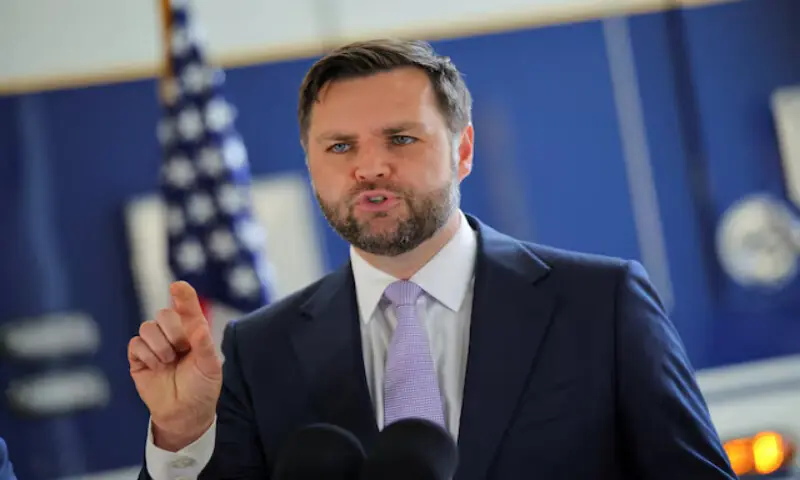

ISLAMABAD: It is a conflict JD Vance had long opposed, yet he now leads Washington’s efforts to secure peace. Tasked by President Donald Trump, Vance arrived in Islamabad to transform a fragile Iran ceasefire into a lasting agreement.
The high-stakes talks mark a defining moment for the 41-year-old vice president, who has largely remained out of the spotlight during the conflict. However, analysts say his direct involvement in negotiations represents an unusual and risky diplomatic role for a US vice president.
According to experts, including Aaron Wolf Mannes of the University of Maryland, such a leadership role in formal negotiations is rare. Nevertheless, Vance’s background as an anti-interventionist, shaped partly by his service in the Iraq War, could influence his approach to diplomacy.
Although Vance publicly supported the administration’s stance after the conflict began on February 28, reports suggest he had earlier cautioned against military action, warning it could destabilise the region. Despite those concerns, he now plays a central role in advancing negotiations.
Meanwhile, the White House has highlighted his behind-the-scenes contributions, with Press Secretary Karoline Leavitt describing his involvement as significant from the outset. Vance will be joined by key figures, including envoy Steve Witkoff and adviser Jared Kushner.
Notably, Vance will become the first US vice president to visit Pakistan since Joe Biden did so in 2011. Officials believe his perceived caution on military intervention may make him a more acceptable negotiating partner for Iran.
As negotiations begin, the outcome could significantly shape both regional stability and Vance’s political future, particularly as he emerges as a potential contender in the 2028 US presidential race.

