


Japan escalated its air surveillance on Tuesday after Russian and Chinese forces conducted coordinated aerial patrols around its territory. Tokyo views the move as a deliberate show of military pressure, deepening the strain in Japan–China relations and heightening regional security concerns.
Joint Bomber Operations
Japan’s defence ministry reported that two Russian Tu-95 nuclear-capable bombers flew from the Sea of Japan toward the East China Sea to join two Chinese H-6 bombers. The combined fleet carried out an extended joint flight over the Pacific. Four Chinese J-16 fighters later joined the formation, completing a round-trip between Okinawa and Miyako islands through the international waters of the Miyako Strait.
Simultaneously, Japan detected additional Russian activity: an A-50 early-warning aircraft and two Su-30 fighters operating in the Sea of Japan. Moscow confirmed the joint operation, stating the mission lasted eight hours.
Japan’s Response and Strategic Concerns
Defence Minister Shinjiro Koizumi condemned the manoeuvres, calling them “a clear show of force against our nation” and a serious threat to Japan’s security. He noted that Japanese fighter jets “strictly implemented air defence identification measures” throughout the operation.
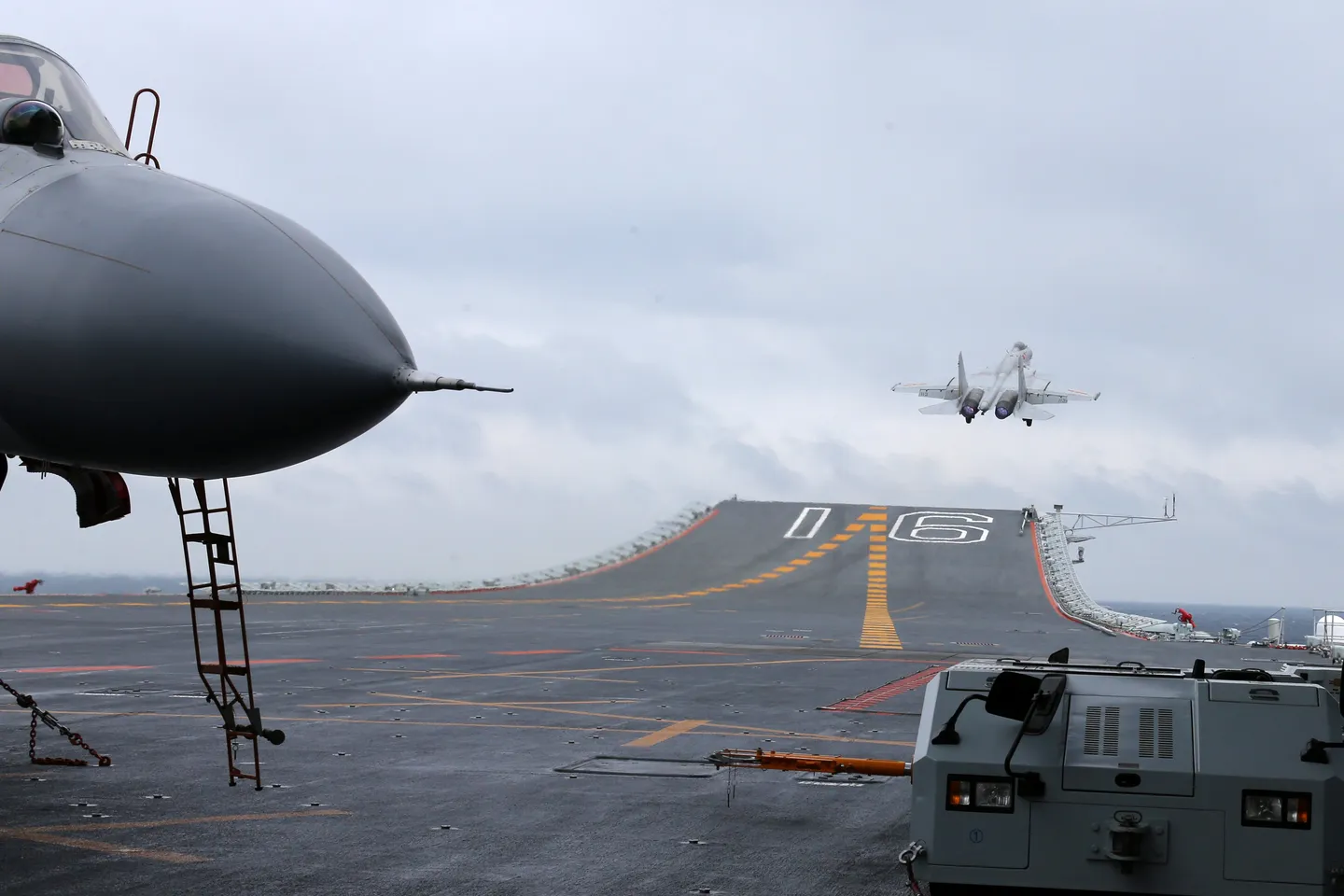
The escalation follows Japan’s recent claim that Chinese carrier-borne fighters aimed radar at Japanese aircraft, an incident Beijing denies.
Regional Fallout
South Korea also reported that seven Russian aircraft and two Chinese aircraft entered its air defence identification zone on Tuesday, further expanding the regional impact of the patrols.
China’s growing military activity near Japan aligns with tensions sparked by Prime Minister Sanae Takaichi’s recent statement that Tokyo could respond if Chinese actions against Taiwan threaten Japan’s security. Meanwhile, China and Russia continue to strengthen defence ties through joint exercises, missile drills, and naval operations across Asia.
