

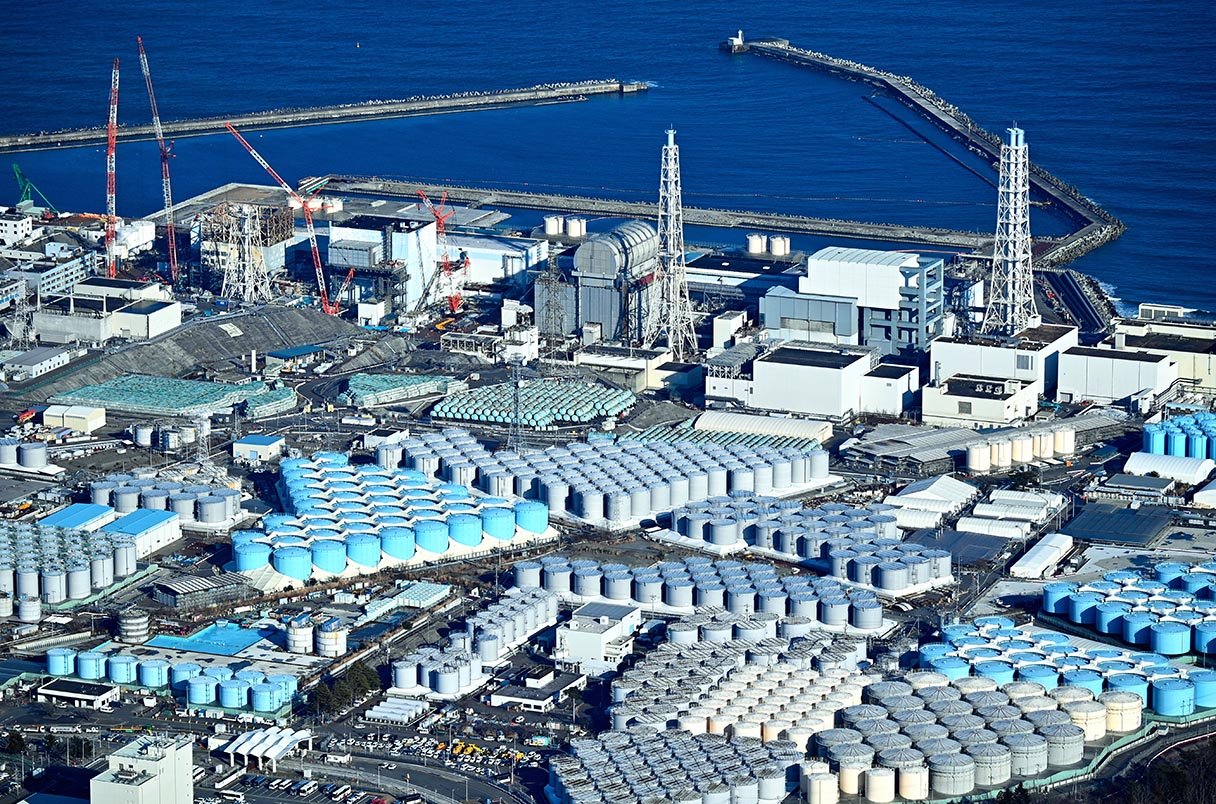

Japan has initiated the release of wastewater from the crippled Fukushima nuclear plant in an operation it asserts to be safe. The water is highly hazardous even after 12 years of the accident. However, this action has sparked intense criticism from citizens and China.
This marks a significant step in the process of decommissioning the site. The site remains highly hazardous even 12 years after one of the world’s most severe nuclear disasters. The plan is to discharge water equivalent to about 540 Olympic-sized swimming pools into the Pacific over the span of several decades.
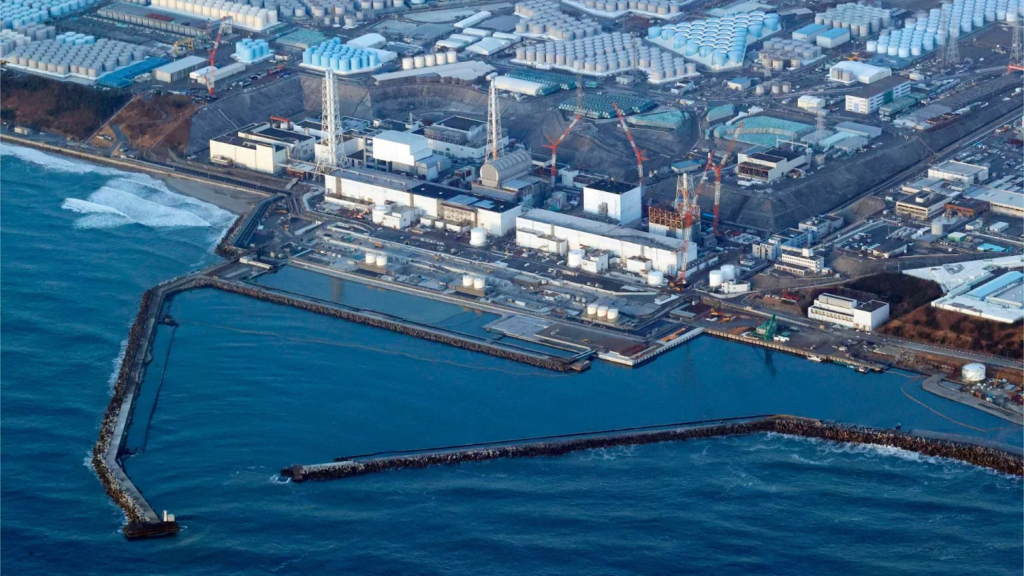
Live footage provided by TEPCO, the plant operator, displayed engineers operating computer screens. After the countdown, an official announcement stated, “Valves near the seawater transport pumps are opening.” TEPCO has approximately 1,000 steel containers containing the water. The company states that it needs to clear this space for the eventual extraction of highly hazardous radioactive nuclear fuel and debris from the damaged reactors.
The UN’s nuclear watchdog monitors, who have approved the plan, were anticipated to be present on-site. TEPCO employees are planning to gather water samples later.
Ahead of the operation, around 10 individuals staged a protest near the site. Additionally, nearly 100 others assembled outside TEPCO headquarters in Tokyo.
Kenichi Sato, 68, expressed his view on the matter, stating, “It’s like dumping an atomic bomb in the ocean. Japan, the first country to experience a nuclear bomb attack, had its prime minister make this decision.”
In response, China’s Ministry of Environment vehemently criticized Japan’s plan deeming it “extremely selfish and irresponsible.” The ministry announced its intention to closely “track and study” the impact on its waters.
