


Pakistan’s megacities, Karachi and Lahore, stand nowhere in the top 10 most populated cities in the world
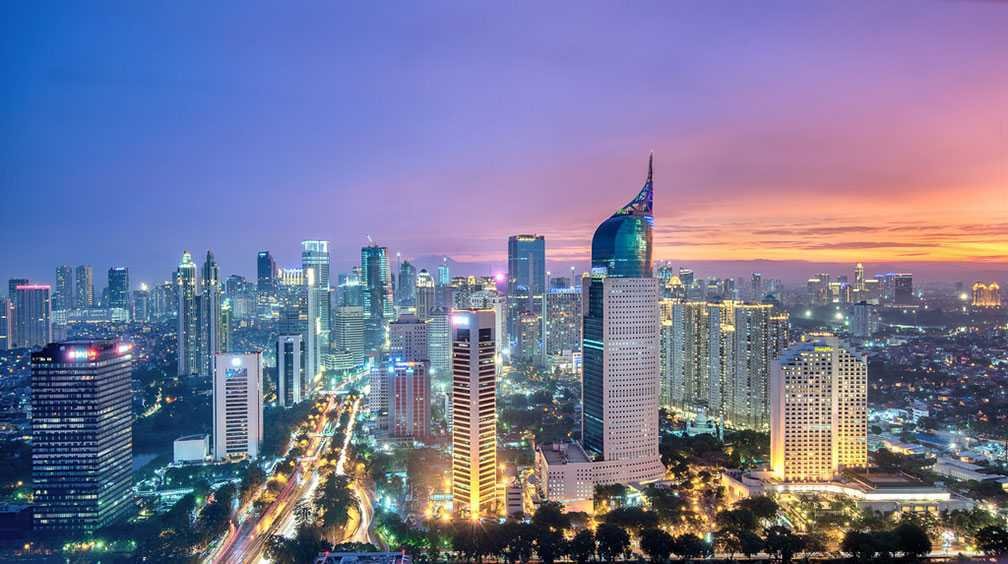
The capital city of Indonesia, Jakarta, has emerged world’s largest city as its population has expanded to 42 million. The United Nations has revealed this development in its latest report.
In 2000, Japan’s Tokyo city held the title of the world’s largest city, but slower population growth over the last two decades allowed Jakarta and Dhaka in Bangladesh to surpass it. Dhaka’s population now stands at 37 million, while Tokyo has around 33 million residents.
The UN Department of Economic and Social Affairs’ Population Division predicts that Dhaka will become the largest city in the world by 2050. In contrast, Tokyo’s population is projected to decline due to Japan’s ageing and shrinking population.
Nine of the ten most populous cities are now in Asia, the report said. Cairo in Egypt is the only non-Asian city in the top ten. Other major megacities include Delhi and Shanghai with 30 million each, Guangzhou with 28 million, Cairo with 26 million, Manila with 25 million, Kolkata with 23 million, and Seoul with 22 million residents.
Elisa Sutanudjaja, director of the Jakarta-based Rujak Centre for Urban Studies, said the report confirms what urban experts have observed for years: Jakarta’s population has long exceeded Tokyo’s.
The city faces enormous challenges due to its population size, she said, including severe traffic congestion, pollution, and frequent flooding. Poor coordination between local governments further complicates urban management.
In 2019, the Indonesian government announced plans to relocate the capital from Java to Borneo, naming the new city Nusantara. However, the project has faced delays and struggled to attract sufficient investment.
According to the UN report, the cities quoted above now host 45% of the world’s 8.2 billion people, 20% up from 1950. Pakistan’s megacities stand nowhere in top 10 most populated cities in the world. Notably, the number of megacities — those with populations over 10 million — has quadrupled since 1975, increasing from eight to 33, with 19 of them in Asia.
